Order Quality Trees Online – Delivered Straight to Your Door
Welcome to Our Online Plant Store
From our nursery to your backyard — it’s never been easier to create the garden you’ve been dreaming of. Whether you’re after statement trees, hedging, or lush planting to fill your outdoor spaces, you can now browse and order directly online.
We provide an extensive range of high-quality plants and trees that are perfect for residential landscapes — all backed by the same expert care and service we’re known for. No trade account needed, no back-and-forth calls. Just beautiful plants, delivered to your door.
Shop by category
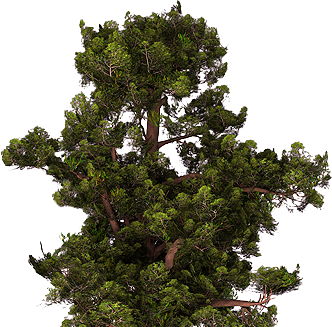
New Zealand Native Trees
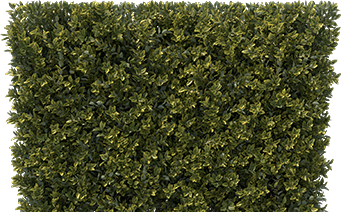
Hedging Plants
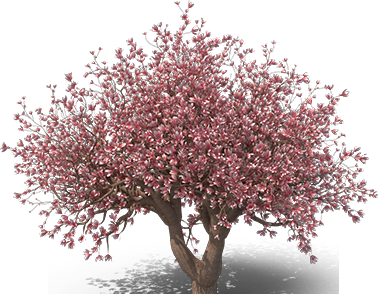
Flowering Trees

Evergreen Exotic Trees
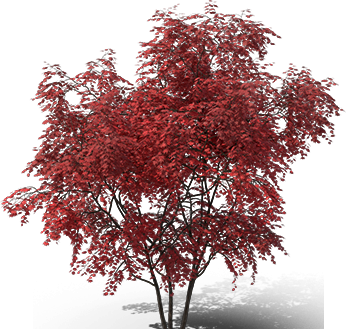
Deciduous trees
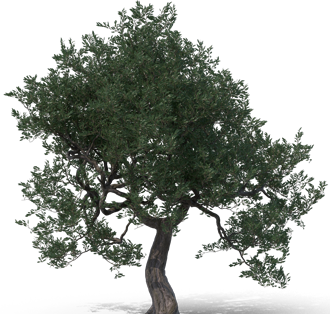
Character Olive Trees
Browse all Trees
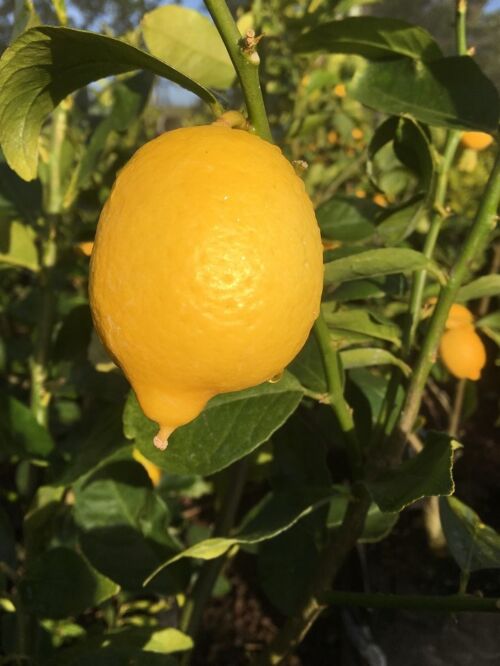
- Lemon ‘Lisbon’ (Citrus limon) is a vigorous, large-growing tree bearing excellent crops of fruit. The lemons are large, with variable seed content & very thick rind. The flesh is very sour & moderately juicy. One of the hardiest lemons, tolerant of both heat & cold. Harvest is generally over the winter months but can also crop late summer. Lemons are heavy feeders so require a soil that can provide adequate nutrients. Feed with Citrus fertilizers.
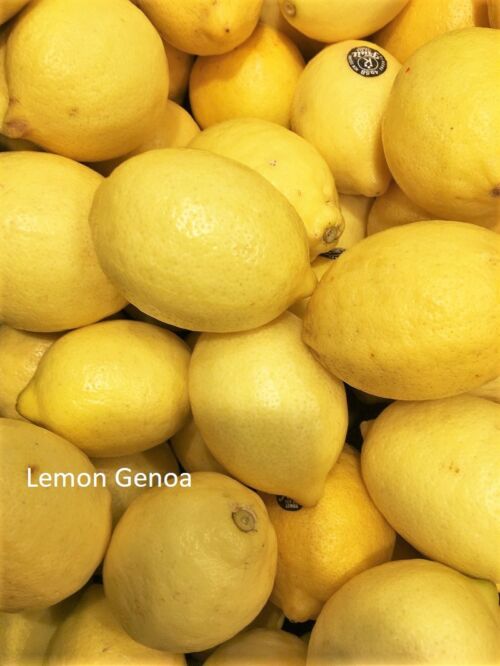
- Lemon ‘Genoa’ (Citrus limon) - Italian Lemon is a Eureka type thornless lemon. Well-suited to most home gardens as the tree is typically smaller than most other lemons. Bears heavily from an early age, producing large, greenish yellow, very juicy fruit with low seed count. Also known as Genova or Italian Lemon. May bear fruit anytime of the year. Harvest – Jul – Dec. Lemons are heavy feeders so require a soil that can provide adequate nutrients. Feed with Citrus fertilizers. Harvest is during the winter months
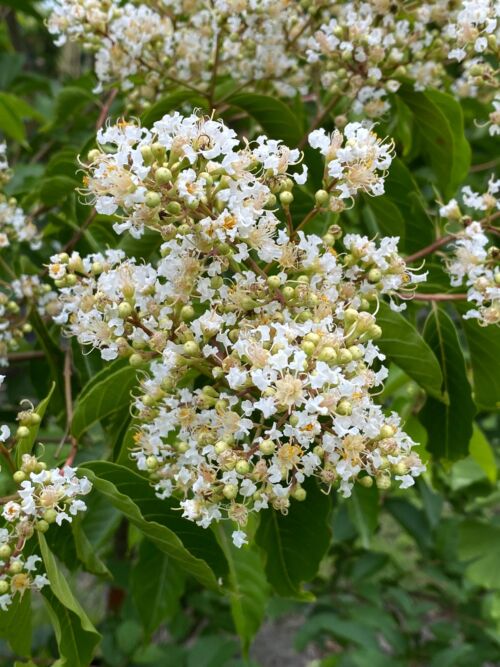
- Lagerstroemia fauriei ‘Townhouse’, better known as Crepe Myrtle, is a compact deciduous tree with a rounded canopy. Its bark sheds naturally, revealing smooth, trunks and branches that add structure and character. Through summer, the foliage stays deep green before shifting to fiery oranges and yellows in autumn. With a moderate growth rate and clean form, this tree brings style to smaller outdoor spaces. Come summer, ‘Townhouse’ produces large, cone-shaped clusters of white flowers—striking against its dark foliage. While it can handle moderate winds, it performs best in a sheltered spot with moist, well-drained soil. Reaching around 4 metres tall and wide, it’s easy to shape and makes a beautiful specimen tree in a smaller garden layout. Whether you're designing a modern garden or adding structure to a mixed border, ‘Townhouse’ Crepe Myrtle stands out. Its compact size, seasonal colour, and tough nature make it a solid choice for anyone who values form, function, and impact.
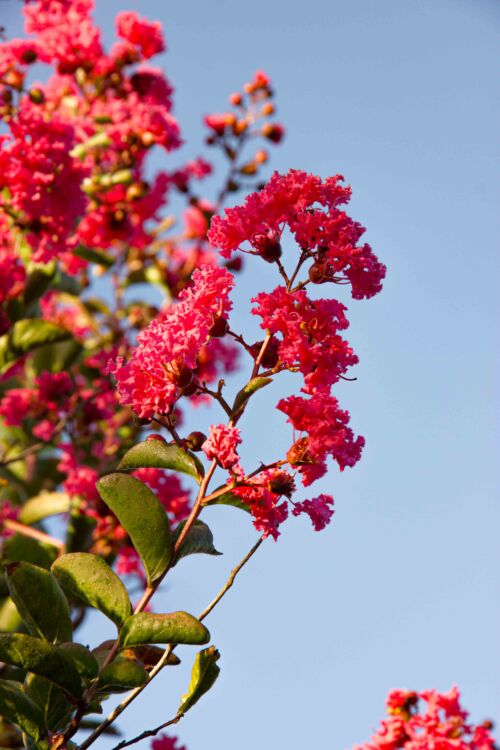
- A small deciduous tree which covers itself in ruffled, red crimson , flowers through summer. Lime green leaves over summer turn autumn colours of yellow, gold and red. Smooth shiny bark. Beautiful feature for a small garden.
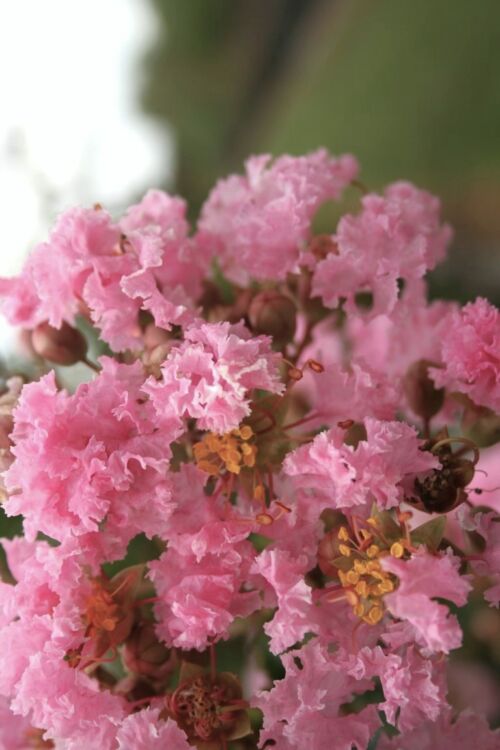
- Lagerstroemia indica ‘Soir D’ete’ – Crepe Myrtle is a charming small deciduous tree with a vase-shaped form. During summer, its lime-green leaves create a fresh display, before turning to rich autumn shades of yellow and gold. At the same time, ruffled light-pink flowers cover the tree in abundance, producing a truly spectacular sight throughout the warmer months. In addition, its smooth, shiny bark adds year-round interest. This variety thrives best in moist, well-drained soil and full sun, which ensures maximum flower production. Moreover, it makes a beautiful feature in a sheltered small garden. Growing to approximately 4 x 3 metres, it can also be easily trimmed to suit your desired shape and size, offering both flexibility and elegance
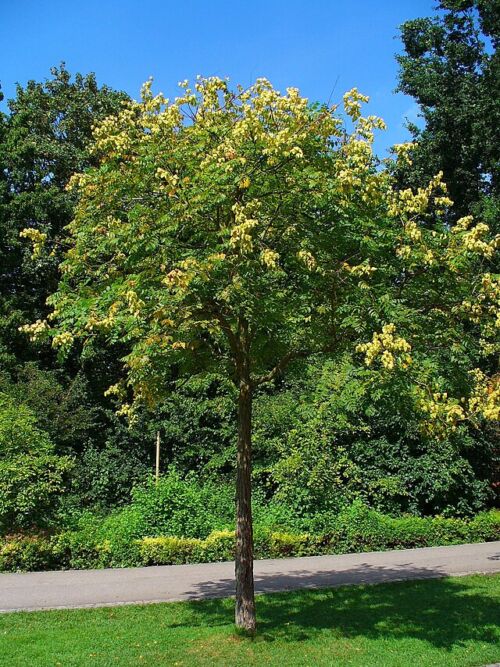
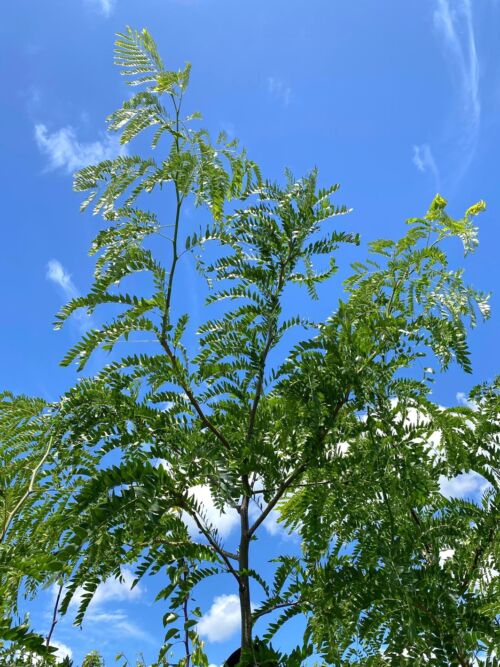
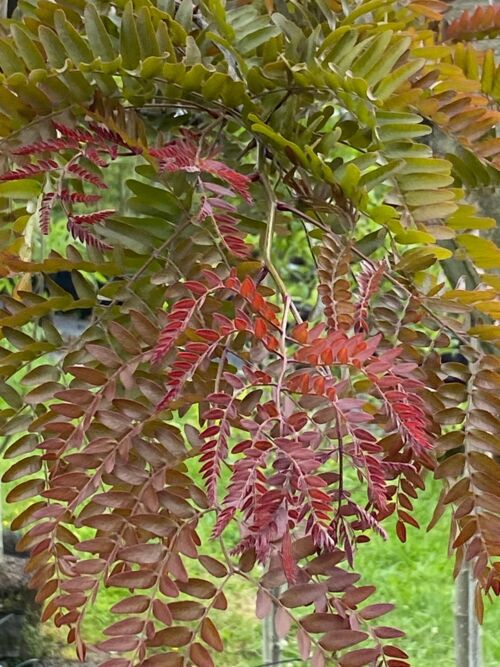
- Koelreuteria paniculata, known as the Golden Rain Tree, is a medium‑sized deciduous tree with a broad, spreading canopy. Its long pinnate leaves emerge pinkish in spring, mature to green in summer, and turn a brilliant yellow in autumn. In early summer, elongated panicles of golden‑yellow flowers appear, creating a magnificent display. With origins in China, Korea, and Japan, this tree is hardy once established, tolerating heat, drought, and urban conditions with ease. Highly adaptable, the Golden Rain Tree grows in clay, loam, or sandy soils. Moreover, it can thrive even in nutritionally poor soils, although it will not tolerate waterlogged ground. Compact yet striking, it grows to approximately 5m tall by 4m wide, making it a standout specimen for smaller gardens or feature plantings.
- Juniperus chinensis ‘Kaizuka’, also known as Hollywood Juniper, is a striking evergreen renowned for its sculptural form. Its branches spiral upward in a distinctly twisting motion, adorned with vivid bright green foliage that adds year-round interest. Thanks to its versatility, this variety can be left to grow naturally or trimmed into soft, rounded pillows—creating the illusion of floating clouds in the landscape. Moreover, it tolerates drought, wind, and coastal conditions, making it a resilient and adaptable choice. As a result, it serves as a unique focal point in any garden setting. With moderately fast growth and parentage rooted in China and Japan, it brings both elegance and heritage to outdoor spaces. Importantly, it requires good drainage to thrive.
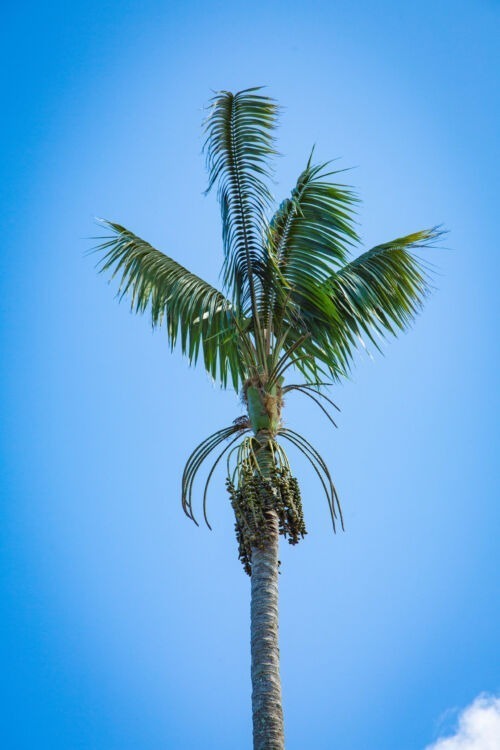
- Howea forsteriana, commonly known as the Kentia Palm, is an elegant, arching palm with shiny green fronds. Because of their feather-like appearance, these fronds create a graceful silhouette, making this palm one of the most popular choices for both indoor and outdoor settings. As the fronds naturally shed, the slender trunk becomes beautifully ringed. Over time, this adds visual texture and enhances its tropical appeal. Native to Lord Howe Island, it thrives in a range of climates between Australia and New Zealand. Thanks to its slow and steady growth, the Kentia Palm is perfect as a standout feature in tropical gardens. Moreover, it tolerates very low light, coastal exposure, and windy conditions, making it incredibly versatile. When young, it’s important to keep the palm moist and partly shaded. Eventually, it reaches around 5 metres in 10 years and can grow beyond 10 metres at full maturity, offering lasting impact with minimal fuss
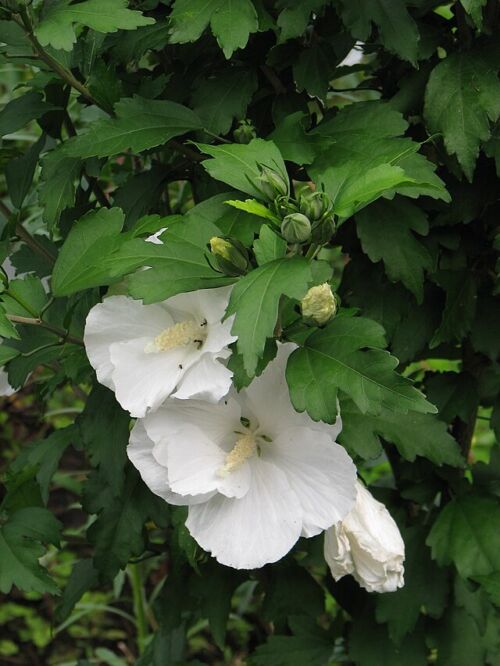
- Hibiscus syriacus ‘Diana’ is celebrated for its abundant blooms and long flowering season. This award-winning deciduous shrub is compact, making it perfect for smaller gardens or urban spaces. Its pure white, saucer-shaped flowers can reach up to 12 cm wide. With slightly wavy petals, they offer a soft elegance that stands out against green foliage. Unlike most hibiscus varieties, ‘Diana’ blooms stay open through the night. This ensures continuous beauty from mid-summer until the first frost. Each flower lasts about a day, while the foliage shifts from lush green to golden-yellow in autumn, adding seasonal interest. It thrives in full sun and prefers moist, well-drained soil. For best results, plant in a sheltered position to protect from harsh winds. ‘Diana’ is easily trimmed to shape and makes an excellent potted plant. It grows to approximately 1.5 meters tall and 1.2 meters wide.
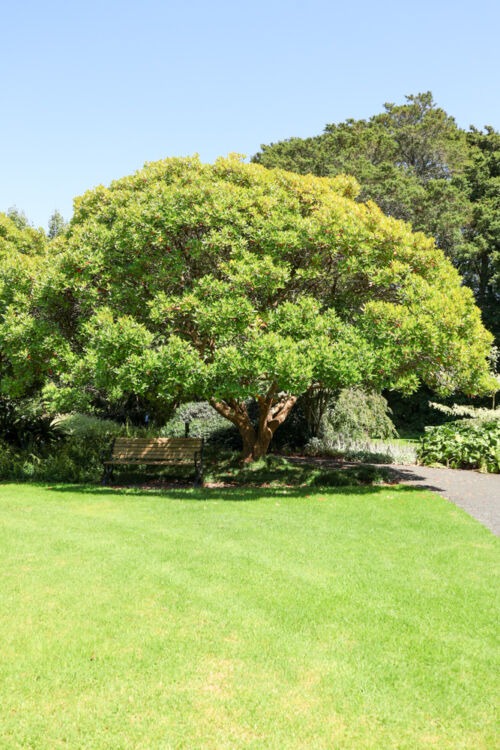
- Gordonia axillaris – Fried Egg Tree is a compact evergreen tree with dark, glossy green foliage. Native to China, Vietnam, and Taiwan, it grows slowly, making it ideal for smaller gardens where space is limited. From April to September, large single white flowers appear, ruffled at the edges with bright yellow stamens in the centre. These blooms resemble fried eggs and are also similar to some camellia flowers, creating a striking seasonal display. This tree prefers slightly acidic, moist, well-drained soil and thrives in full sun to part shade. Moreover, it is easy to maintain, allowing you to shape and control its height with minimal effort. Growing to approximately 4 x 3 metres, Gordonia axillaris makes a charming shade tree and a beautiful feature for smaller landscapes.
- Gleditsia triacanthos ‘Skyline’, or Honey Locust, is an upright spreading tree with a compact branching structure. Its dense, finely divided foliage is deep green through summer, turning a striking golden yellow in autumn. This hardy tree tolerates a wide range of soils, including sandy, loamy, and heavy clay. It grows best in well-drained soil but adapts to very dry periods. With full sun, it thrives in wind, coastal, and heat-exposed sites. Reaching approximately 6 x 4 metres, Honey Locust makes an excellent specimen, shade, or livestock shade tree. (ASPCA Ok - recommend own peace of mind research) Its resilience and adaptability ensure reliable performance across diverse conditions.
- Gleditsia tricanthos ‘Ruby Lace’, also known as Honey Locust, is a graceful deciduous tree. It forms a small, round-headed canopy with elegantly spreading, arching branches that add charm to any garden. In summer, finely divided foliage emerges in a striking purple-red. As the season shifts, the leaves intensify to bronze-red before falling in autumn, creating vibrant seasonal colour. Originating from the United States, ‘Ruby Lace’ adapts well to diverse soil conditions. It tolerates compacted, clay, poor-quality, and drought-prone soils, making it highly resilient. Moreover, this tree withstands heat, salt, and harsh urban environments. As an added benefit, it fixes nitrogen, which improves soil health and supports long-term growth. With its umbrella-shaped crown, ‘Ruby Lace’ makes an excellent shade tree for smaller gardens. Growing to approximately 5m tall and 4m wide, it offers beauty and practicality in compact spaces.

Why buy online?
Buying plants and trees online doesn’t have to feel risky or impersonal. At Black Bridge Nurseries, we’ve made it simple, safe, and satisfying — so you can shop with confidence, from the comfort of home.