Order Quality Trees Online – Delivered Straight to Your Door
Welcome to Our Online Plant Store
From our nursery to your backyard — it’s never been easier to create the garden you’ve been dreaming of. Whether you’re after statement trees, hedging, or lush planting to fill your outdoor spaces, you can now browse and order directly online.
We provide an extensive range of high-quality plants and trees that are perfect for residential landscapes — all backed by the same expert care and service we’re known for. No trade account needed, no back-and-forth calls. Just beautiful plants, delivered to your door.
Shop by category
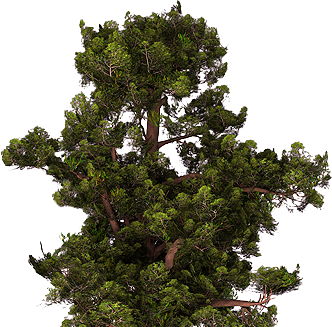
New Zealand Native Trees
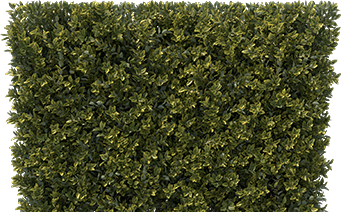
Hedging Plants
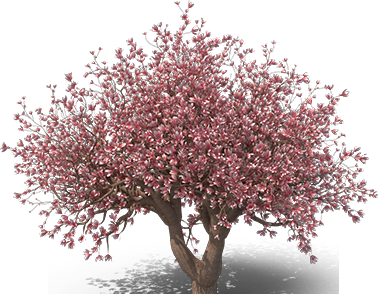
Flowering Trees

Evergreen Exotic Trees
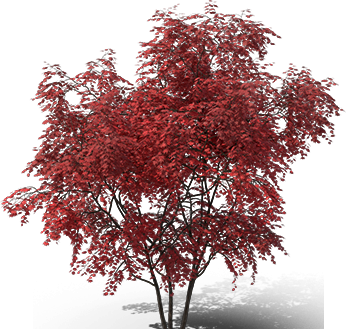
Deciduous trees
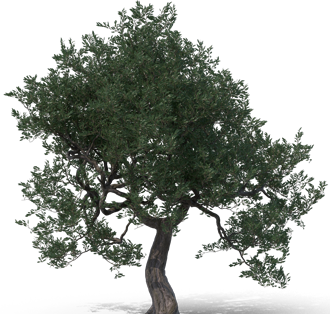
Character Olive Trees
Browse all Trees
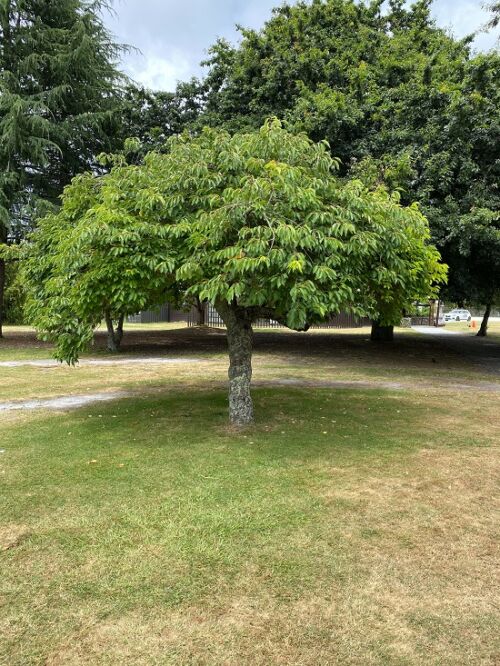
- Platanus orientalis – Oriental Plane is a fast-growing, deciduous tree known for its broad, rounded crown. Its large, maple-like green leaves are deeply lobed and turn a rich golden hue in autumn, adding seasonal interest to any landscape. One of its standout features is the bark, which flakes off in patches on the trunk and older branches, revealing a beautifully dappled surface. This adds texture and character throughout the year. Adaptable to most soil types, it tolerates clay and thrives even in polluted urban environments. However, it’s best to avoid overly wet soils for long-term health and growth. Ideal for parks, farms, and large open spaces, it makes an excellent shade, avenue or specimen tree. In 10 years, it can reach around 8 metres tall and 5 metres wide, eventually maturing to 15 x 7 metres or more. The name orientalis means “relating to the Orient,” reflecting its origins in Southeastern Europe and the Eastern Mediterranean.
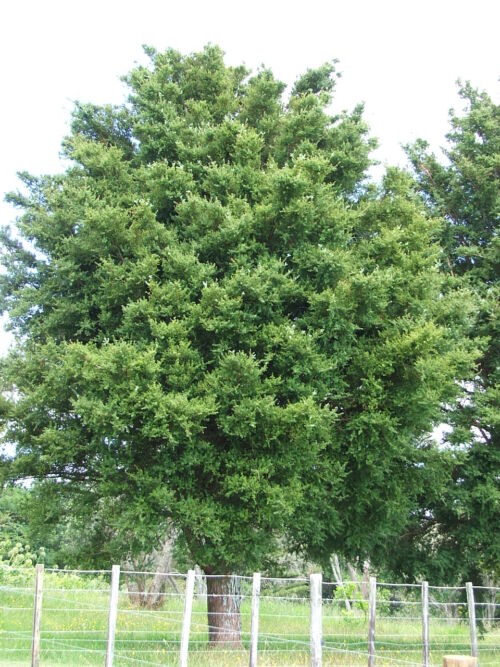
- Podocarpus totara, commonly known as Totara, is a large evergreen tree native to New Zealand. It’s well-suited to spacious landscapes and admired for its strong form and resilience. In its juvenile stage, Totara grows quickly with slender branches and bronze, needle-like foliage. As it matures, growth slows and the tree develops a denser, more branching habit. Eventually, it forms a broad, rounded crown with short, dark green foliage. The stout trunk features rough, reddish-brown bark, adding texture and character. Totara thrives in well-drained soil and, once established, tolerates dry conditions. It’s ideal as a stand-alone specimen, for screening, or clipped into a formal hedge. Under ideal conditions, Totara can reach 20–25 metres at full maturity. In about 10 years, expect growth of approximately 10 x 4 metres.
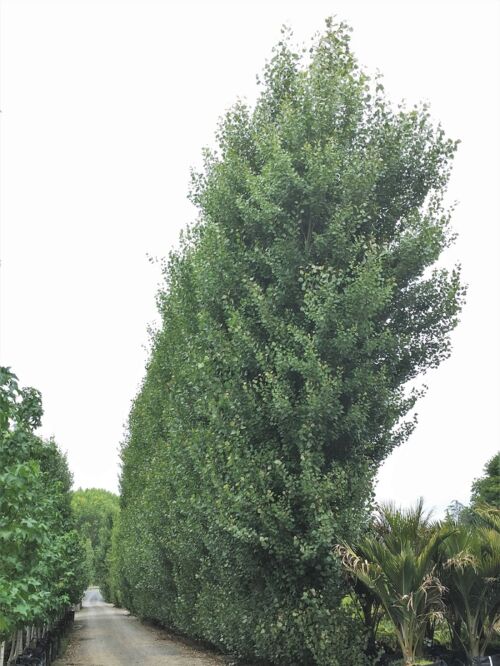
- Populus ‘Crows Nest’, commonly known as the Upright Poplar, is a fast-growing, narrowly columnar deciduous tree that offers both practicality and visual appeal. With large green leaves that turn a brilliant yellow in autumn, it brings seasonal colour while maintaining a tidy vertical form. Thanks to its slim profile, ‘Crows Nest’ is widely used as a shelterbelt or screening tree, especially in areas where space is limited. Additionally, it can be topped to control height, making it a flexible choice for windbreaks or boundary planting. For effective shelter, trees should be planted 3–4 metres apart. Moreover, this poplar is reasonably drought tolerant, although it performs best in moist, well-drained conditions. It also boasts improved resistance to fungal rust, making it a resilient option for various landscapes. In ideal conditions, it can grow to approximately 10 metres in 10 years and may eventually reach heights of 25 metres or more. While the Populus genus is widely distributed across the Northern Hemisphere—from Europe to China and North America, ‘Crows Nest’ is a unique New Zealand selection, well-suited to local climates and growing conditions. Whether used for erosion control, shelter, or as a structural element in larger plantings, Populus ‘Crows Nest’ delivers fast results with minimal fuss.
- Prunus subhirtella 'Falling Snow', commonly known as a White Weeping Cherry, is a smaller-growing ornamental tree typically grafted onto a clear standard. Its elegant, pendulous branches create a soft, cascading effect that adds charm to any landscape. Throughout summer, the tree is adorned with lush green foliage, which gradually transforms into warm shades of orange and yellow in autumn. As spring arrives, the bare branches become covered in a delicate display of blush-pink to snowy-white single blooms—offering a breath taking seasonal highlight. Because of its compact size, ‘Falling Snow’ is an ideal feature tree for smaller gardens, courtyards, or decorative planting schemes. It thrives best in moist, well-drained soil and prefers a sunny, sheltered position to protect its fine foliage and blossoms. Whether planted as a focal point or to soften a garden corner, this weeping cherry brings elegance and seasonal beauty to any outdoor space.
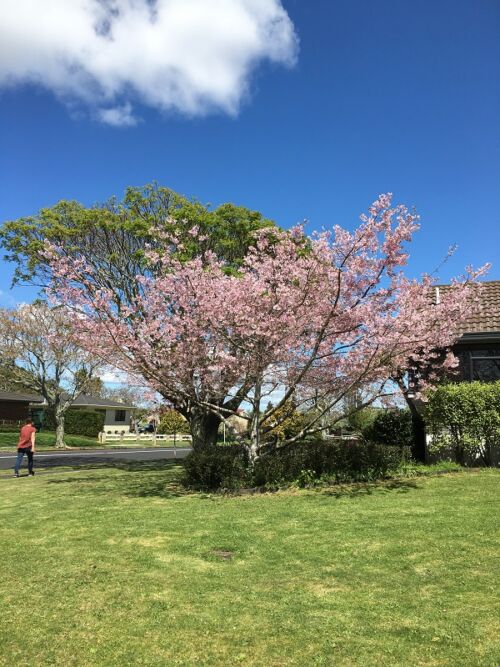
- Prunus yedoensis 'Awanui', the Awanui Cherry is a beloved New Zealand-bred flowering cherry, tracing its heritage back to Japan. Renowned for its elegant vase-shaped form and vigorous growth, this ornamental tree features gracefully spreading branches adorned with lush green foliage. In early spring, the tree bursts into a breath taking display of large, single shell-pink blossoms that blanket the branches in soft, pastel clouds. As the seasons shift, its leaves transform into a vibrant tapestry of golden yellow and warm orange hues. Prefers moist well drained soil in full sun. Plant in full sun for maximum health. Perfect as a specimen tree, for light shade, or as a standout feature in smaller gardens, the Awanui Cherry typically reaches around 6 metres tall and wide, making it both manageable and magnificent!
- 6 x 6m
- Oranges and Yellows
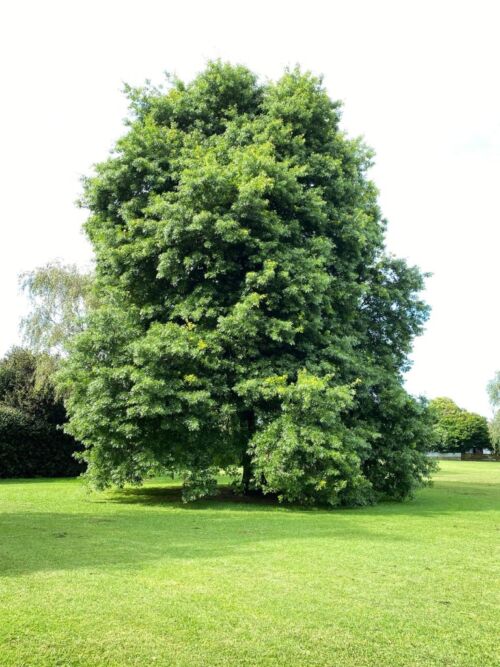
- Pyrus calleryana ‘Aristocrat’, also known as the Callery Pear, is a deciduous tree with a pyramidal shape and origins in China. Its dense, upright branching supports glossy dark green foliage throughout summer, which transforms into vibrant shades of red, orange, and maroon in autumn. In early spring, the tree produces a stunning display of white blossoms, adding ornamental value to any landscape. This adaptable tree can be trained into standards and is well-suited for small gardens, street plantings, or mass landscaping projects. It tolerates poor drainage but performs best in moist, well-drained soils. Growing to approximately 7 metres tall and 4 metres wide, Aristocrat is an excellent choice as a shade tree or for formal avenue planting, offering year-round interest and structure.
- Quercus coccinea – Scarlet Oak is a majestic deciduous tree that forms a large, stately specimen characterized by an oval crown and upward-reaching branches. Its glossy green, deeply lobed leaves create a lush summer canopy, while in autumn they transform into a brilliant display of scarlet red, which offers exceptional seasonal colour. In addition to its foliage, the bark develops a reddish-brown tinge during winter, adding subtle interest even in the colder months. Native to North America, this oak variety is well-suited to a range of climates. Once established, Scarlet Oak tolerates dry conditions, although it prefers moist, free-draining soil for optimal growth. With its impressive size, reaching approximately 15 x 10 metres in ideal conditions, it makes an outstanding specimen tree or a grand shade tree for larger landscapes. Whether you're designing a parkland setting or enhancing a spacious garden, Quercus coccinea brings structure, beauty, and seasonal interest to any outdoor space.
- Feijoa sellowiana – Feijoa (Acca sellowiana) is a smaller, fast-growing, evergreen tree with a compact, rounded shape. Its stout, leathery green leaves give it a lush, tropical appearance, ideal for adding texture to garden spaces. Native to South America, Feijoa is among the hardiest subtropical fruit trees. It tolerates light frost and produces abundant fruit from April to June, which drops easily when ripe. Sellowiana is the parent species of many popular grafted and cutting-grown cultivars. It thrives in full sun and prefers a moist, well-drained soil. Typically reaching around 4 x 3 metres tall they are easily trimmed to shape and make an excellent hedge, screen or stand-alone fruit tree. Ideal for a smaller garden.
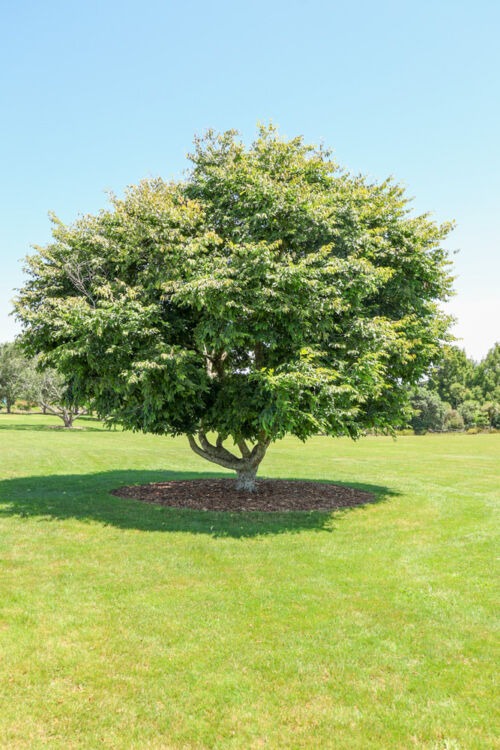
- Carpinus betulus, commonly known as Hornbeam, is a deciduous tree native to Europe, admired for its versatility and elegant form. Its pale grey, short, and slightly twisted trunk adds character, making it a standout in both formal and natural landscapes. Widely favoured for hedging, Hornbeam’s branches can be easily intertwined and trimmed to form dense screens, shelters, or low hedges. It can also be pleached to create structured, architectural lines—ideal for garden borders or avenues. The tree features oval, ribbed green leaves that transform in autumn with vibrant shades of yellow and orange, eventually turning brown and remaining on the tree well into winter, offering seasonal interest. Hornbeam prefers moist, well-drained soil and adapts well to regular pruning. While it can grow to approximately 12 metres tall and 7 metres wide, it responds beautifully to shaping and can be maintained at a desired height.
- Liriodendron tulipifera ‘Arnold’ is a fast-growing, upright deciduous tree with a strong architectural presence making it perfect for narrow spaces. Its large, lobed green leaves stand out through summer, then transition to vibrant yellow in autumn, adding bold seasonal colour. From late spring into early summer, it produces striking tulip-shaped flowers in greenish-yellow tones with orange markings. These blooms enhance its ornamental value and contribute to its distinctive charm. Because of its tidy columnar habit and resilience, ‘Arnold’ suits formal landscapes and urban environments. It thrives in full sun and well-drained soil, offering a stately silhouette that elevates avenues, courtyards, and confined spaces. Typically reaching 15–20 metres in height, this cultivar originated from ‘Fastigiatum’ (Upright) specimens at the Arnold Arboretum in Massachusetts. Notably, it features a stronger central axis than other upright forms, making it a reliable choice for structured planting schemes.
- A striking and relatively new cultivar, the deciduous tree Prunus yedoensis 'Te Mara' was developed in New Plymouth, New Zealand, with ancestral roots in Japan. This cherry tree has a vigorous, upright growth habit, forming a strong central leader. Rich green leaves provide a lush canopy through the summer, turning brilliant golden-orange in autumn for a dazzling seasonal display. In early spring the tree bursts into masses of delicate, shell-pink single blossoms. These nectar-rich flowers are a magnet for tūī and other nectar-loving birds, making it a beautiful and biodiverse addition to any garden. Prefers moist, well-drained soil and thrives as a Specimen tree, Shade provider, Avenue planting and as stated, a Bird-friendly feature. Moderate to fast-growing, reaching approximately 7 metres tall by 6 metres wide. Noteworthy Alternative: An excellent substitute for Prunus Felix Jury or Prunus Campanulata superba, offering similar charm with its own unique flair.
- Acer palmatum dissectum 'Tamukeyama' is a deciduous Japanese maple celebrated for its elegant, mushroom-shaped weeping habit and finely cut crimson-red spring foliage. As the seasons progress, its vibrant leaves maintain their rich colour throughout summer, before turning a brilliant scarlet in autumn, offering year-round visual interest. Because of its compact size, growing to approximately 3 metres tall and 2 metres wide on a low graft, ‘Tamukeyama’ is an excellent accent tree for smaller gardens, Japanese-inspired landscapes, or stylish courtyards where space is limited. It is also grafted on a clear stem to form a classic weeping tree shape. Additionally, it thrives in moist, well-drained soil and prefers a sheltered location out of direct sunlight. This helps protect its delicate, lacy leaves from sun scorch. Moreover, the term “dissectum” refers to the deeply divided nature of the foliage, where each lobe is intricately cut to create a feathery, lace-like appearance. This unique texture adds depth and movement to any garden design.





Why buy online?
Buying plants and trees online doesn’t have to feel risky or impersonal. At Black Bridge Nurseries, we’ve made it simple, safe, and satisfying — so you can shop with confidence, from the comfort of home.