Order Quality Trees Online – Delivered Straight to Your Door
Welcome to Our Online Plant Store
From our nursery to your backyard — it’s never been easier to create the garden you’ve been dreaming of. Whether you’re after statement trees, hedging, or lush planting to fill your outdoor spaces, you can now browse and order directly online.
We provide an extensive range of high-quality plants and trees that are perfect for residential landscapes — all backed by the same expert care and service we’re known for. No trade account needed, no back-and-forth calls. Just beautiful plants, delivered to your door.
Shop by category
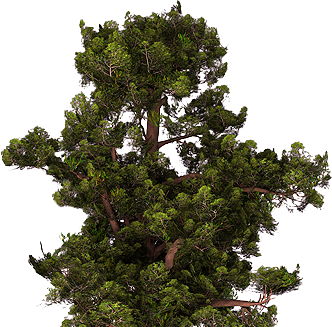
New Zealand Native Trees
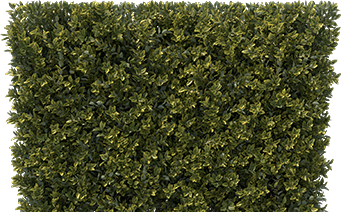
Hedging Plants
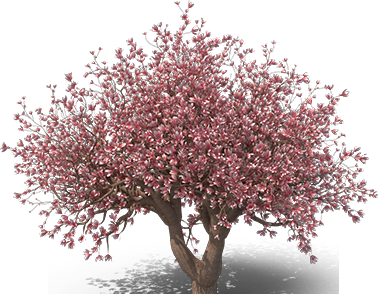
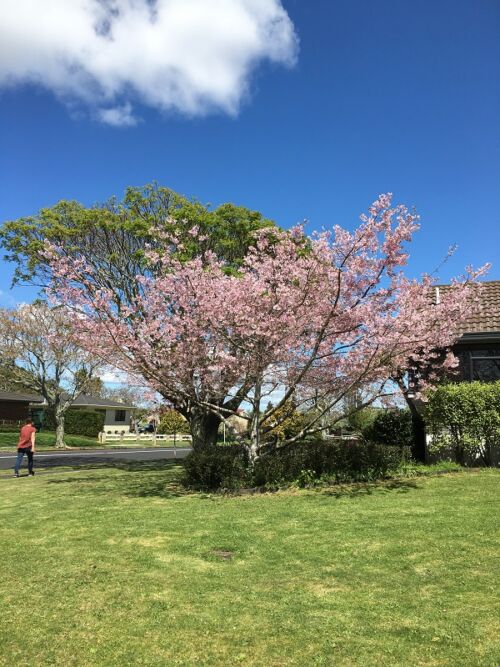
Flowering Trees

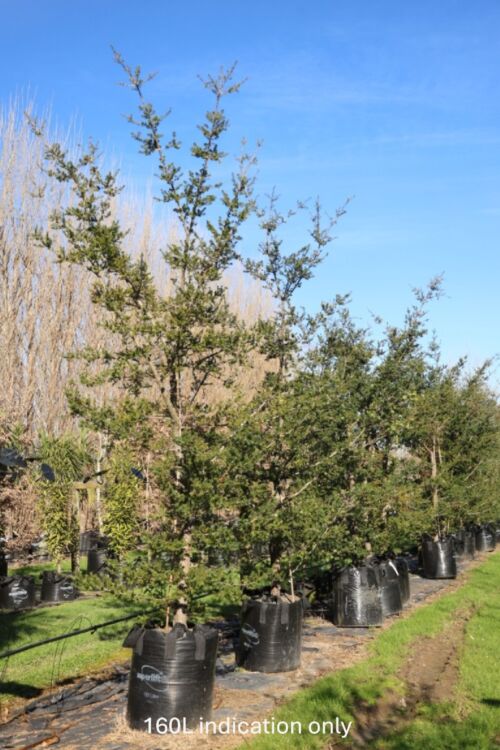
Evergreen Exotic Trees
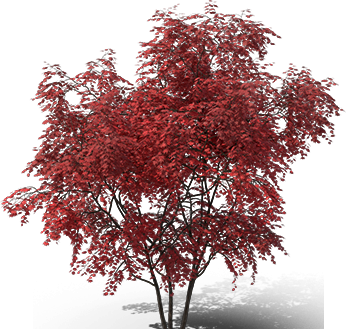
Deciduous trees
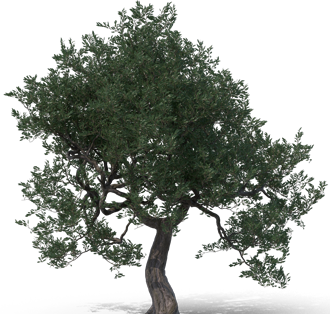
Character Olive Trees
Browse all Trees
- Prunus yedoensis 'Awanui', the Awanui Cherry is a beloved New Zealand-bred flowering cherry, tracing its heritage back to Japan. Renowned for its elegant vase-shaped form and vigorous growth, this ornamental tree features gracefully spreading branches adorned with lush green foliage. In early spring, the tree bursts into a breath taking display of large, single shell-pink blossoms that blanket the branches in soft, pastel clouds. As the seasons shift, its leaves transform into a vibrant tapestry of golden yellow and warm orange hues. Prefers moist well drained soil in full sun. Plant in full sun for maximum health. Perfect as a specimen tree, for light shade, or as a standout feature in smaller gardens, the Awanui Cherry typically reaches around 6 metres tall and wide, making it both manageable and magnificent!
- 6 x 6m
- Oranges and Yellows
- Podocarpus totara ‘Matapouri Blue’ – Blue Totara is a distinctive New Zealand native Totara with a more upright, open pyramidal form. Its striking blue-grey, needle-like foliage adds unique colour and texture to any landscape. This slow-growing evergreen prefers full sun and moist, well-drained soil. It’s hardy and adaptable, making it suitable for a range of garden styles and conditions. Ideal as a specimen tree, it can also be trimmed into a hedge or left to grow as a natural screen. Its elegant structure offers year-round interest. In optimal conditions, Blue Totara can reach approximately 7 x 5 metres at maturity.
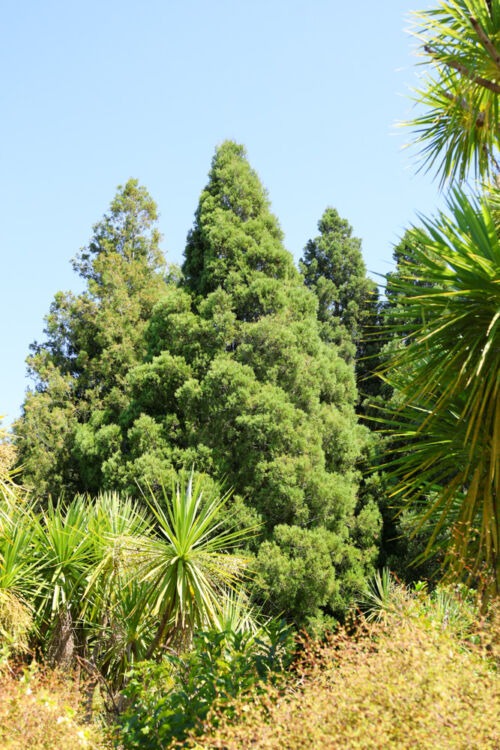
- Podocarpus totara 'Black Bridge', also known as Upright Totara, is a bushier and more upright form of the native NZ Totara. Unlike the standard Totara, it skips the thin juvenile stage and instead develops a dense, strong structure from an early age. As a result, it offers a robust and tidy appearance right from the start. With a moderate growth rate, this versatile tree is ideal as a stand-alone specimen in areas where space is limited. Alternatively, it can be easily trimmed into a compact hedge or allowed to grow on and shaped into a screen or shelter belt. Furthermore, once established, it tolerates drier conditions well—although it still prefers moist, well-drained soil for optimal health. Thanks to its hardiness and adaptability, 'Totora Black Bridge' is an excellent choice for a wide range of garden styles. Ultimately, it reaches approximately 8 x 5 meters, making it a striking yet manageable feature in any landscape.
-
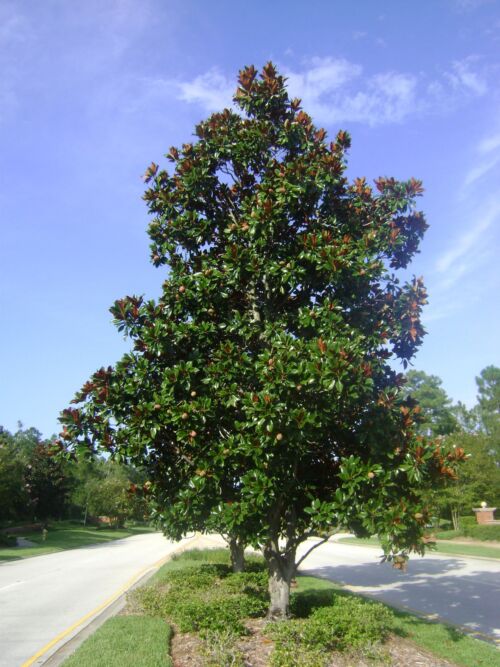
- Magnolia grandiflora 'DD Blanchard' is a compact, pyramidal form of the classic Southern Magnolia. This evergreen tree showcases large, dark green glossy leaves with striking coppery undersides, adding year-round interest and texture to your garden. In summer, it produces creamy white, fragrant blooms that enhance its ornamental appeal. It thrives in moist, well-drained soil and will tolerate clay, although overly wet conditions should be avoided. Full sun exposure encourages optimal growth and flowering. Originating from the United States, this variety makes an excellent shade tree, avenue planting, or specimen feature. It grows to approximately 7 × 4 metres in 10 years and can reach 15 × 10 metres at full maturity.
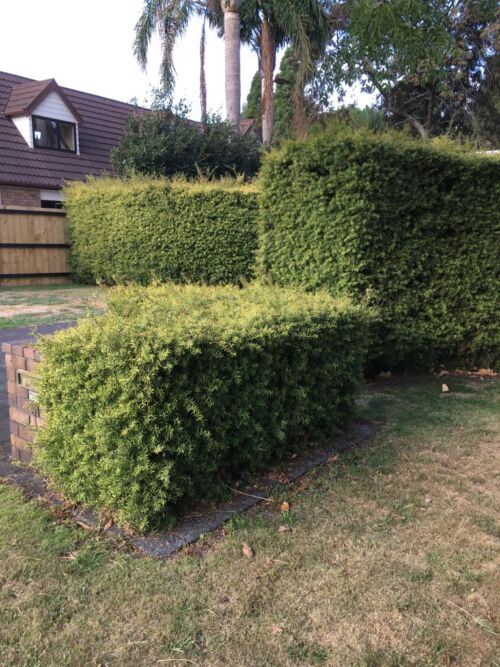
- Ficus Tuffi is a compact, upright shrub known for its dense growth and vibrant emerald green foliage. Native to Australia, it’s a standout choice for creating smart, formal hedges thanks to its easy-to-trim nature and minimal leaf drop—making it especially ideal around pools. This versatile plant pairs beautifully in layered hedging alongside Buxus or other small shrubs to maintain a polished, structured look. It also lends itself well to topiary work, whether planted directly in the garden or styled in pots for a refined touch. Ficus Tuffi performs best in moist, well-drained soil, flourishes in full sun to partial shade, and is resilient to coastal conditions though not in direct salt spray. Reaching approximately 4 metres tall and 2.5 metres wide, it can also be used as a larger screen. Standards have a clear trunk and are bushy on top. As a group planted together they create a hedge or screen "on stilts" and are called a "pleached hedge".
- Fagus sylvatica ‘Purpurea’, or Copper Beech, is a magnificent deciduous tree with a dense, pyramid shape. Its new leaves emerge in striking shades of red, then mature into copper bronze tones and finally deep, rich purples. These colourful leaves are also popular for floral work. Originating from Southern Europe, this beech thrives naturally in forested environments, which is reflected in the name “sylvatica.” It grows best in fertile, well drained soil, and planting it in full sun helps maximise leaf colour throughout the season. Copper Beech makes an impressive lawn specimen for larger properties. It can also be trained into a tall screen or woven to form a striking, trimmed formal hedge. The tree reaches around 10 × 4 metres in about ten years and eventually matures to approximately 25 × 10 metres.
- Kahikatea, also known as White Pine, stands as New Zealand’s tallest native tree and commands attention with its strong, upright form. As a coniferous species, it grows relatively fast and develops a bold presence in wetland and lowland environments. In its juvenile stage, Kahikatea features drooping, needle-like foliage with a distinctive brown-bronze hue. Over time, this matures into a mid-green canopy as the tree gains height and structure. For many years, it maintains a columnar to oval shape before eventually opening into a broad, stately crown. Typically found growing in groups across swampy areas throughout New Zealand, Kahikatea thrives in damp soils and performs well in restoration projects and native plantings. Within 10 years, it can reach approximately 10 metres in height and 5 metres in width. Given time, it matures into a towering specimen—often exceeding 40 metres. This iconic tree is not only a symbol of strength and endurance but also plays a vital role in New Zealand’s ecological heritage.
- 10 x 5 in 10 Years, 40+ at maturity
- Tall 10+m
- Fast
- Tree
- Columnar-Oval
- Deciduous
- New Zealand/div>
- Dacrydium Cupressinum, Liriodendron tulipifera fastigiata, Olea El Greco, Knightia Excelsa, Acer Bowall, Poplar crow’s nest, Quercus robur fastigiata, Carpinus Betulus fastigiata
- Green
- Damp-Wet Tolerant
- Inhabits mostly lowland forests between 0–600 m in North and South Islands
- Statement tree, Bird feeding
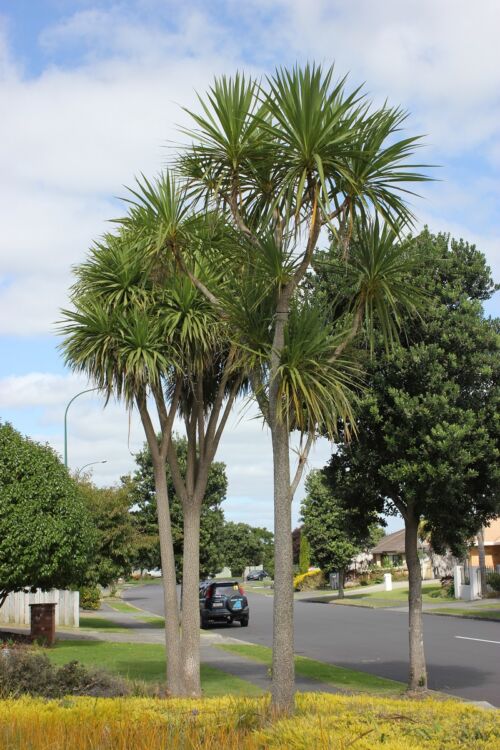
- Cordyline australis, commonly known as the Cabbage Tree or Ti Kouka, is a striking native tree found throughout New Zealand. With its upright trunk and clusters of long, drooping leaves—often reaching up to 1 metre—it resembles a palm and adds architectural flair to any landscape. In late spring, this hardy tree bursts into large heads of creamy white, scented flowers. These blooms are rich in nectar, attracting bees and other pollinators. As summer progresses, the tree produces fruit that draws native birds from January to April, enhancing biodiversity in your garden or property. Cordyline australis thrives in a wide range of environments—from swampy wetlands to dry, windy hill slopes. It’s commonly seen across farmland, open spaces, and scrubland in both the North and South Islands. While it tolerates clay soils, it performs best in free-draining ground and is resistant to coastal winds and harsh conditions. The name “Cabbage Tree” arose from early European settlers who, like Maori, used the tender heart-shoots as a vegetable. Its Latin name, australis, fittingly means “southern” or “of the south,” reflecting its deep roots in New Zealand’s southern landscapes. This iconic tree typically grows to around 6 metres tall and 2 metres wide, making it a bold and resilient choice for coastal gardens, rural properties, and native restoration projects.
- 6 x 2m
- Medium 5-10m
- Slow - Moderate
- Palm
- Upright
- New Zealand/div>
- Nikau Palms
- Green
- White
- Fragrant
- Dry once established, Damp-Wet, Clay
- Coastal, Windy, Hardy
- Bird Feeding, Small Gardens
- Acer palmatum - Japanese Maple, is a deciduous ornamental tree admired for its form and vibrant seasonal colour. Summer sees fresh green foliage transform into a display of oranges, reds, and yellows in autumn. Originating from Japan, Acer Palmatum is best planted in a sheltered spot away from strong winds to protect its delicate leaves. Its compact size and elegant structure make it a versatile choice for a wide range of garden styles—from traditional to contemporary. Ideal as a shade tree for smaller gardens, the Japanese Maple typically reaches around 5 metres tall and 4 metres wide, offering year-round visual interest and appeal.
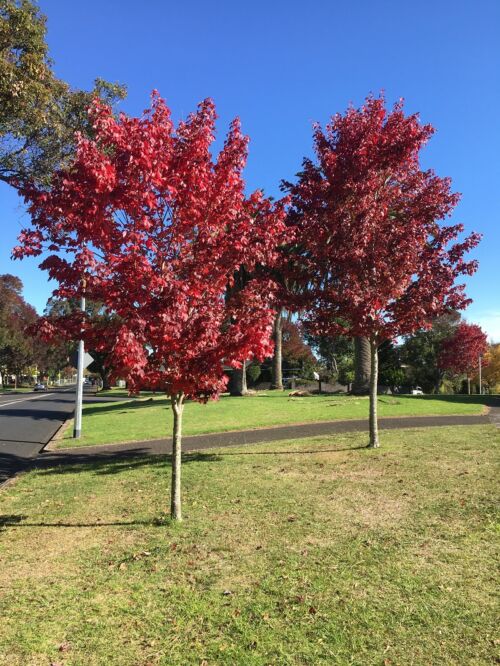
- Acer freemanii ‘Jeffers Red’ – Freeman Maple is a fast-growing, upright, deciduous tree featuring strong ascending branches and a dense, broad-oval crown. Its rich green summer foliage transforms into brilliant red in autumn, creating a stunning seasonal display. It thrives in moist, well-drained soil but adapts to clay, poor, wet, or dry conditions. More wind-tolerant than other maples. Ideal as a specimen or avenue tree, it reaches approximately 10m tall by 5m wide.
- Podocarpus gracilior, also known as African Fern Pine, is a dense evergreen conifer with a graceful pyramidal shape. Native to East Africa, it adds elegance and structure to any landscape. Its slender branches feature lush, glossy, needle-like foliage in deep green tones. This refined texture makes it a standout choice for both formal and natural garden designs. Thriving in sunny spots with moist, well-drained soil, it adapts well to various conditions. It’s ideal for use as a street tree or a striking specimen in larger gardens. For added versatility, it can be trimmed into a hedge, shaped as a pleached hedge, or grown as a tall shelter or screen. Mature plants can reach approximately 10 x 5 metres.
- Camellia sasanqua ‘Paradise Helen’ is a moderately fast-growing upright shrub. In autumn and continuing into winter, it showcases masses of pink buds that open into dazzling double white flowers with bright yellow stamens, creating a striking seasonal display. In addition to its blooms, the shrub features dense, glossy green foliage. Therefore, it is an excellent choice for hedging at various heights. It responds well to trimming and, alternatively, can be grown as a bold standalone specimen. ‘Paradise Helen’ is an Australian-bred cultivar of the Camellia sasanqua species, which is native to China and Japan. It was developed by Paradise Plants, highlighting its strong ornamental appeal and adaptability. For best results, plant in full sun or dappled shade in moist, well-drained acidic soil. Furthermore, pruning after flowering encourages bushier, more compact growth. Typically, this variety reaches about 2.5m tall by 2.0m wide, yet it can grow larger to form an effective screen





Why buy online?
Buying plants and trees online doesn’t have to feel risky or impersonal. At Black Bridge Nurseries, we’ve made it simple, safe, and satisfying — so you can shop with confidence, from the comfort of home.