Narrow Space Trees
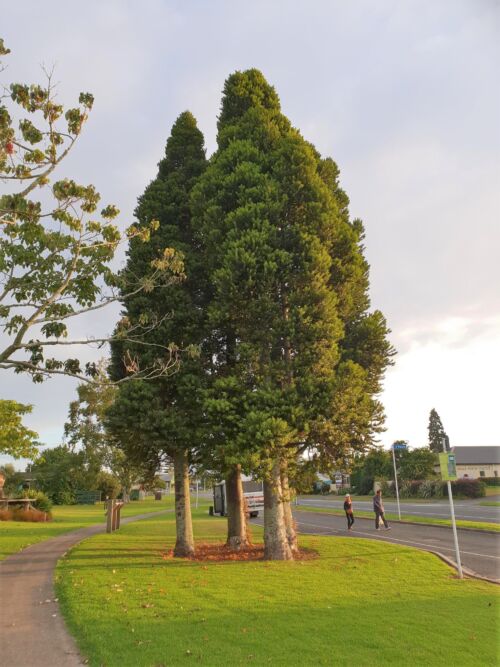
- Agathis australis, commonly known as the New Zealand Kauri, is a slow-growing native tree admired for its longevity and architectural beauty. Remarkably, it retains its juvenile, pyramidal form for up to 50 years, making it a unique presence in any landscape. Its narrow, leathery leaves display a striking bronze-green hue, while the smooth grey bark gradually becomes scaly as the tree matures. Over time, adult specimens develop into stately, straight-trunked trees with a rounded crown—adding grandeur and structure to larger garden spaces. Ideally, this species thrives in rich, fertile, moist, and well-draining soil. However, it is intolerant of persistent wetness and does not cope well with strong winds, therefore, it prefers a warm temperate climate and a sheltered position for optimal growth. In the first decade, the Kauri can reach over 6 metres in height. Eventually, mature trees may grow to an impressive 30–50 metres tall so as a result, it makes an exceptional statement tree and a true icon of the New Zealand forest. Whether planted as a legacy tree or a focal point in a native garden, Agathis australis offers timeless appeal and ecological significance.
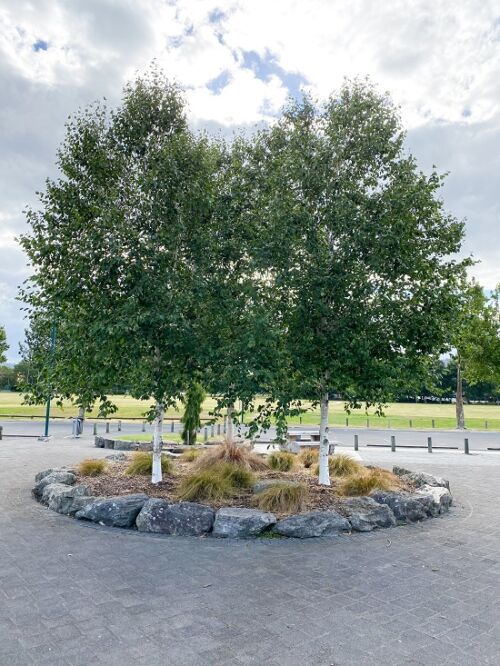
- Bold and architectural, Betula utilis 'Jacquemontii' or the Himalayan Birch is a medium-sized deciduous tree known for its upright form that gradually matures into a broad oval silhouette. Originating from the rugged terrains of China and the Himalayas, this fast-growing variety commands attention with its striking, powdery-white bark—a signature feature that sets it apart in any landscape. Throughout summer, its dark green foliage offers a rich contrast to the luminous trunk, before shifting to warm yellow hues in autumn, adding seasonal interest. Whether planted in structured avenues or grouped for visual impact, this birch delivers a refined yet natural presence. Additionally, it responds well to topping, allowing for the creation of standard-type trees where desired. Typically reaching approximately 7 metres in height and 3 metres in spread, Betula 'Jacquemontii' is a standout choice for those seeking elegance with a touch of rugged charm. Utilis = Useful
- Carpinus betulus 'Fastigiata', commonly known as Upright Hornbeam, is a deciduous tree with a narrow, columnar form that gradually broadens as it matures. This refined cultivar of the European Hornbeam remains in its tight form making it ideal for structured landscapes, offering both formality and seasonal interest. During summer, its oval, ribbed green leaves create a lush canopy. As autumn arrives, the foliage transitions into warm shades of yellow and orange, eventually turning brown and remaining on the tree well into winter adding texture and colour even in the colder months. Moreover, this tree thrives in moist, well-drained soil and prefers a sunny position. Thanks to its upright habit and tolerance for close planting, it makes an excellent choice for street planting, avenues, or as a screen. Reaching approximately 8 metres tall and 3 metres wide, The Upright Hornbeam is a versatile and low-maintenance option for both urban and rural settings.
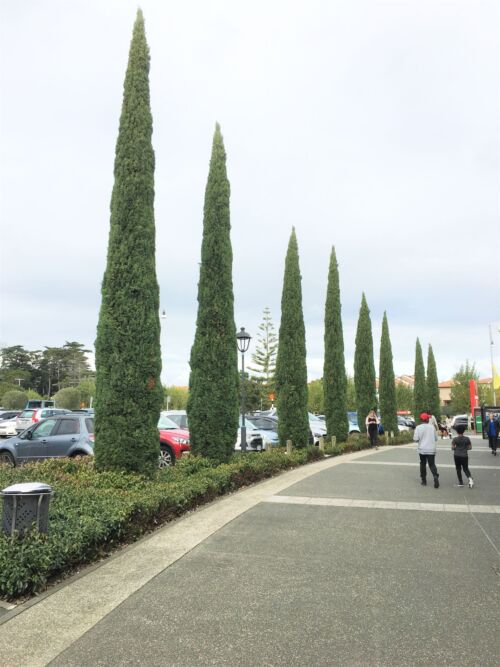
- Cupressus sempervirens 'Totem', commonly known as Totem Cypress, is a tightly upright-growing conifer with striking bluish-green foliage. Notably, these trees are iconic in Italy—especially throughout Tuscany—where they define the landscape and grace Renaissance gardens with timeless elegance. Thanks to their slender, vertical form, Totem Cypresses create bold architectural accents that elevate formal landscapes. Moreover, this cutting-grown cultivar ensures a consistently narrow columnar shape and even growth rate, making it a reliable choice for symmetry and structure. Unlike other varieties, its foliage remains dense and intact, resisting the tendency to “fall out.” Additionally, it offers improved resistance to fungal canker, making it a hardy option for challenging conditions. Often planted in rows as living pillars, it’s ideal for lining entranceways and avenues with a commanding presence. For optimal performance, Totem Cypress prefers drier soil and well-drained sites. Ultimately, it grows to approximately 10 meters tall and 2 meters wide delivering a bold, sculptural impact wherever it’s planted.
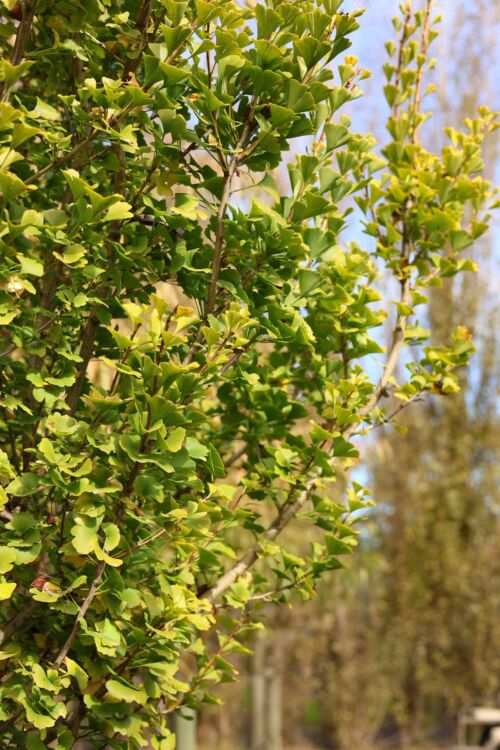
- Ginkgo biloba ‘Fastigiata’ – Upright Ginkgo is a deciduous tree with a very neat, upright form. As a selected male variety, it will not produce unpleasant fruit. Its deep green, distinctive maidenhair leaves turn golden yellow in autumn, creating a striking seasonal display. The ‘Fastigiata’ cultivar was discovered and selected in France. By the 1980s, it had emerged as a popular narrow form, valued for its elegant shape and suitability in restricted spaces. This tree is highly effective in narrow streets, tight spaces, and small home gardens. Moreover, it can be trimmed to maintain an even neater appearance, making it versatile for both urban and residential landscapes. It thrives in moist, well-drained soil and will tolerate clay conditions, provided the site is not waterlogged. For best growth, plant in a sunny position. Mature specimens typically reach around 7 metres high and 3 metres wide.
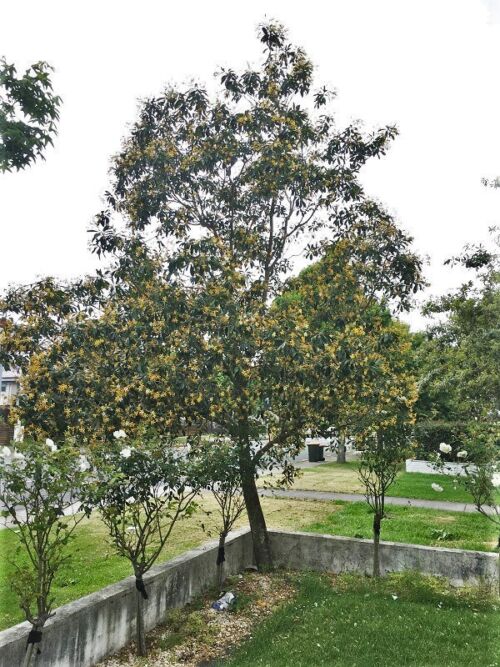
- Hymenosporum flavum known as the Australian Frangipani, is a vigorous, evergreen tree with an upright habit and open form. Its long glossy green foliage provides year-round interest, while the tree’s elegant structure makes it a standout feature in any garden. During spring and early summer, it bursts into clusters of creamy yellow flowers. These blooms release a delightful fragrance, attracting bees, butterflies, and nectar-loving birds, which in turn bring vibrant life and movement to your outdoor space. Native to Australia, this tree thrives in moist, well-drained soil and full sun. However, it benefits from being planted in a sheltered position, away from strong winds, ensuring healthy growth and long-lasting beauty. Reaching approximately 10m high and 4m wide, it suits both spacious and smaller gardens. With regular trimming, you can easily maintain a compact shape and control its height, making it a versatile choice for modern landscapes.
- Knightia excelsa, commonly known as Rewarewa, is a striking evergreen native to New Zealand. It forms a slender, erect, and tapering tree with long, green serrated leaves that adds texture and structure to the landscape. In spring, it produces very unusual tubular reddish-brown flowers with yellow tips that are highly attractive to native birds, adding both ecological value and seasonal interest. Because of its upright habit, Rewarewa is ideal for smaller gardens and narrow spaces. Additionally, it is well-suited to coastal gardens. While it tolerates clay soils, overly wet conditions should be avoided. Likewise, phosphate-based fertilizers are not recommended. Typically, it grows to approximately 7 x 3 metres, making it a manageable yet elegant choice for urban and rural settings alike. Interestingly, the Latin name Excelsa refers to its tall, strong stature.
- 7 x 3m
- Medium 5-10m
- Moderate
- Tree
- Columnar
- Evergreen
- New Zealand
- Liriodendron tulipifera fastigiata, Olea El Greco, Dacrydium Cupressinum, Acer Bowall, Poplar crow’s nest, Quercus robur fastigiata, Carpinus Betulus fastigiata, Dacrycarpus Dacrydoidies, Cupressus totem
- Green
- Reddish Brown
- No
- Prefers Moist well drained, Will tolerate clay, Not Wet
- Coastal, Wind
- Avenue, Small Garden, Bird Feeding, Narrow Spaces
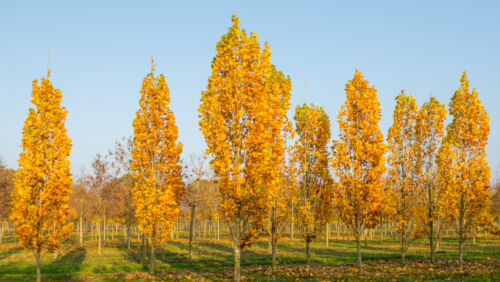
- Liriodendron tulipifera ‘Fastigiata’ – Upright Tulip Tree is a deciduous tree with a strong, columnar growth habit. Its upright branches hold distinctive green, lyre shaped leaves that turn a rich butter yellow in autumn, adding seasonal interest to any landscape. In late spring, slightly fragrant tulip shaped flowers appear. They are greenish yellow with an attractive orange band at the base, creating a subtle yet elegant display. The upright tulip tree prefers full sun and well drained soil. However, it adapts to clay provided you avoid excessive moisture. Because it grows to around 8 × 3 metres and maintains a tidy, slender form, it suits formal landscapes, avenues, and compact urban spaces.
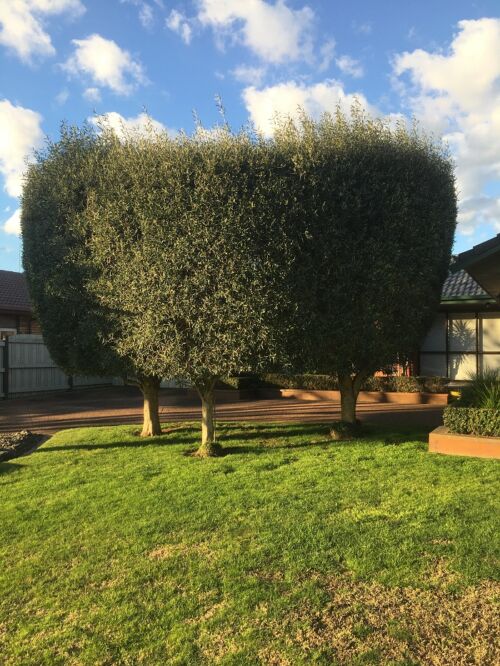
- Olea europaea ‘El Greco’ – Greek Olive is a compact evergreen olive known for its small green leaves and dense, tidy habit. Often used as a hedging olive, it may produce some fruit if left untrimmed, although this is not typical. This variety prefers moist, well‑drained soil but tolerates dry periods once established. Since it originates from the Mediterranean, it thrives in full sun and copes well with wind and coastal conditions. Because of its naturally dense, bushy form, ‘El Greco’ easily trims into neat low or tall hedges, making it ideal for smaller gardens. It grows to approximately 3 × 2 metres.
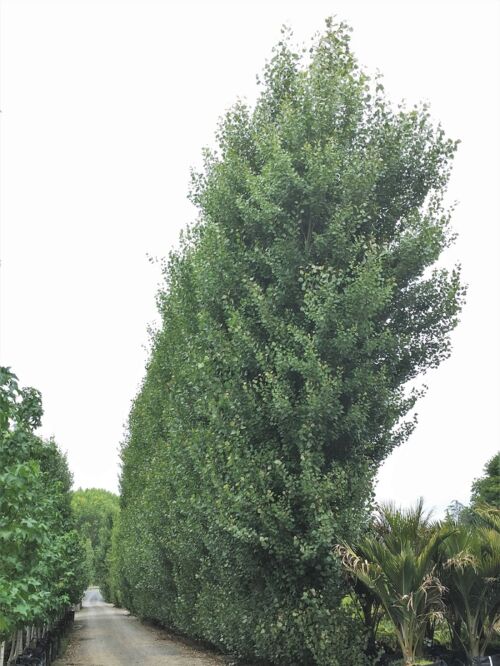
- Populus ‘Crows Nest’, commonly known as the Upright Poplar, is a fast-growing, narrowly columnar deciduous tree that offers both practicality and visual appeal. With large green leaves that turn a brilliant yellow in autumn, it brings seasonal colour while maintaining a tidy vertical form. Thanks to its slim profile, ‘Crows Nest’ is widely used as a shelterbelt or screening tree, especially in areas where space is limited. Additionally, it can be topped to control height, making it a flexible choice for windbreaks or boundary planting. For effective shelter, trees should be planted 3–4 metres apart. Moreover, this poplar is reasonably drought tolerant, although it performs best in moist, well-drained conditions. It also boasts improved resistance to fungal rust, making it a resilient option for various landscapes. In ideal conditions, it can grow to approximately 10 metres in 10 years and may eventually reach heights of 25 metres or more. While the Populus genus is widely distributed across the Northern Hemisphere—from Europe to China and North America, ‘Crows Nest’ is a unique New Zealand selection, well-suited to local climates and growing conditions. Whether used for erosion control, shelter, or as a structural element in larger plantings, Populus ‘Crows Nest’ delivers fast results with minimal fuss.
- Pseudopanax ferox – Savage Lancewood (Horoeka) is an unusual New Zealand native, closely resembling Pseudopanax crassifolium. In its juvenile stage, it grows with a single thin stem and long, slender pale grey-brown leaves. These leaves feature distinctive saw-like teeth along the edges, giving the plant a striking appearance. After 10–15 years, the tree reaches maturity. At this stage, the leaves become shorter, wider, and dark green. Its form changes into a more typical tree shape, with spreading branches that build a rounded crown. In ideal conditions, Savage Lancewood can reach around 6 metres in height with a trunk up to 25 cm in diameter. The mature trunk develops distinctive vertical grooves, sometimes twisting slightly, adding further character. This species prefers well-drained soil and tolerates drier conditions once established. It grows best in full sun, slowly reaching approximately 6 x 1 metres over many years. Perfect as a statement specimen, it adds drama and uniqueness to any garden.
- Quercus robur ‘Fastigiata’ – Upright English Oak is a deciduous, narrow-upright form of the classic English Oak. Its strongly vertical branches hold dark green leaves that turn a warm yellow in autumn. Acorns develop through the season and fall in late autumn. As the tree matures, it gradually shifts from a strict columnar shape to a more pyramidal form. It tolerates clay soils; however, you should avoid planting it in areas that remain overly wet. Because of its tidy structure, it works extremely well for avenue plantings and for compact residential or commercial spaces. It typically reaches around 8 × 3 m in ten years and may grow to 20 × 4 m at full maturity. The name robur in Latin refers to hardwood—especially oak—and also conveys strength, firmness, power, and resilience.
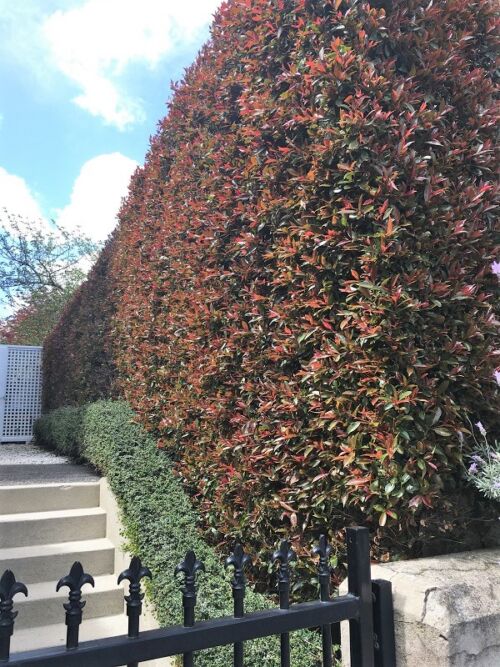
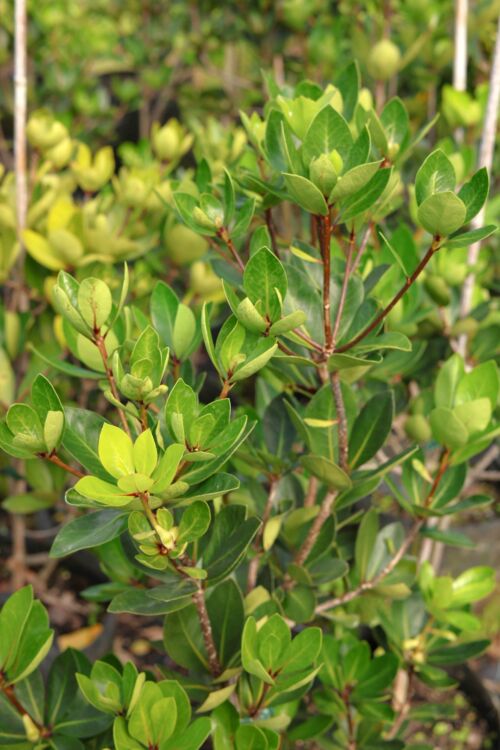
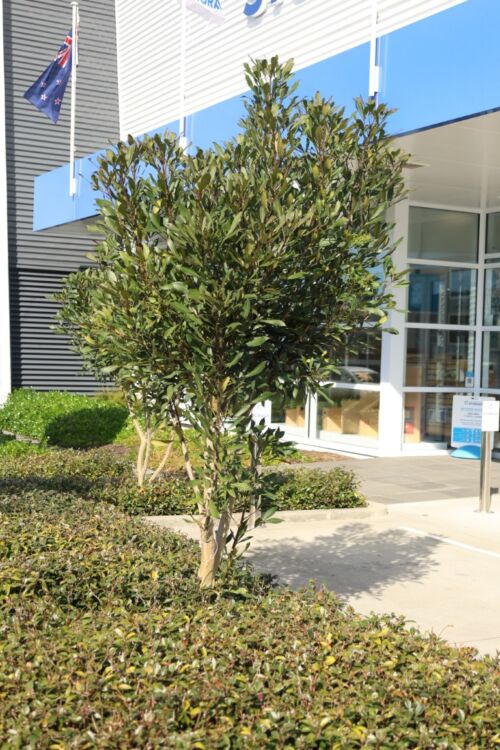
- Syzygium ‘Resilience’, a highly psyllid-resistant Lilly Pilly now available in New Zealand, thanks to Black Bridge Nurseries. This exceptional cultivar, originally from Australia, has been specially selected and propagated to combat the damage caused by the troublesome psyllid insect. Like other Lilly Pilly varieties, ‘Resilience’ forms a lush, compact shrub with vibrant mid-green foliage. In spring, its fresh growth flushes red tones, adding seasonal colour and visual interest to the garden. In summer, ‘Resilience’ bursts into bloom with masses of fluffy white flowers, followed by vibrant red berries that attract birds. It’s faster growing than traditional varieties, with a stronger, straighter central leader and a more robust root system. It also performs well in shaded areas, making it a versatile choice for many garden settings. Thriving in moist, well-drained soil, this hardy shrub can reach approximately 7m high by 3m wide but responds well to trimming making it ideal for hedging, screening, and topiary. Syzygium ‘Resilience’ is a standout performer in any landscape. Standards have a clear trunk and are bushy on top. As a group planted together they create a hedge or screen "on stilts" and are called a "pleached hedge".
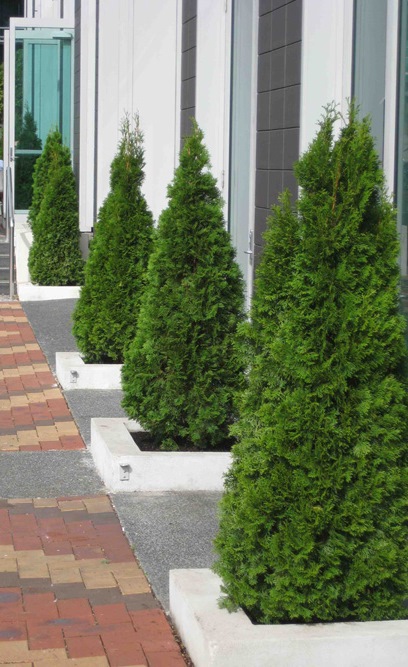
- Thuja occidentalis 'Smaragd' is an elegant, evergreen conifer with a compact, conical shape. Its slow-growing nature means it maintains form without the need for trimming, making it ideal for low-maintenance gardens. Bright green, glossy foliage grows densely along upright branches, creating a refined vertical accent. Moreover, it tolerates humid conditions better than many other upright conifers. This versatile plant thrives in full sun or part shade and prefers well-drained soil. Because of its tidy shape, it suits containers, small gardens, or as striking statement pillars. Typically growing to around 4.0 x 1.5 metres, it fits beautifully into formal or modern landscapes. Interestingly, the name “Smaragd” comes from Ancient Greek and translates to “green stone,” reflecting its vibrant colour
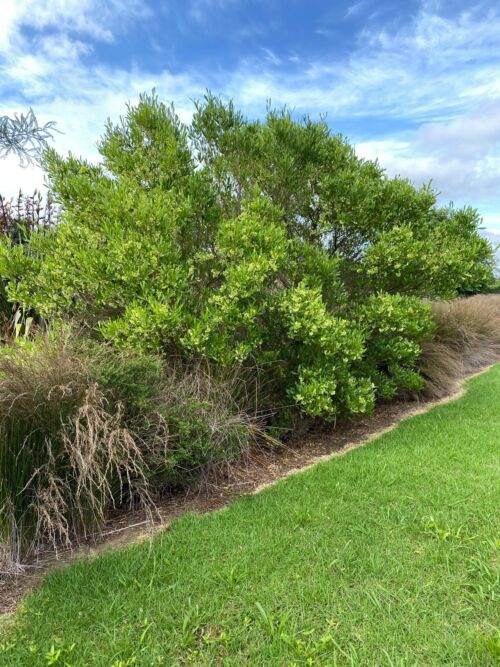
- Dodonaea viscosa also known as Ake Ake, is a small, spreading evergreen tree native to New Zealand. Its long, leathery light green leaves bring a fresh, vibrant look to any landscape. In summer, it produces unusual yellow-green papery flower clusters, adding seasonal interest. Once established, Ake Ake is highly tolerant of dry, sandy or rocky soils, salt spray, wind, and drought, but prefers a moist well drained soil. This hardy tree thrives in full sun and is ideal for exposed or coastal sites. It works beautifully as a windbreak or privacy screen in tough conditions. To maintain a dense, bushy form, regular trimming is recommended. Typically, it grows to around 3.5 metres high and 2 metres wide.
- Acer rubrum ‘Bowhall’, commonly known as the Upright Red Maple, is a fast-growing, deciduous tree with a narrow, columnar form, ideal for tight spaces. Its strongly upright branches support glossy dark green leaves with silvery undersides, creating a striking contrast. In autumn, the foliage transforms into brilliant shades of yellow, orange, and reddish-orange, adding vibrant seasonal colour. This hardy tree adapts well to a wide range of soil conditions, from damp to dry, including clay and sandy soils. Native to North America, Bowhall is perfect for avenues, street plantings, or as a lawn specimen where space is limited. Mature height reaches approximately 12 metres with a spread of 3 metres.
- Fagus sylvatica 'Dawyck' is a tall, columnar deciduous tree with a distinctly upright habit and moderate growth rate. Over time, its narrow form broadens, adding architectural style to any landscape. In early spring, its vertical branches are cloaked in bright glossy green leaves. As the seasons shift, the foliage transforms into a warm cinnamon brown over autumn. Thanks to its slender profile, 'Dawyck' is ideal for planting where space is limited—whether beside pathways, framing entrances, or standing as bold vertical accents. With origins in Scotland, it brings both heritage and sophistication to gardens and urban settings alike. Typically reaching around 8.0m in height and 2.5m in width, this beech variety is a standout specimen for structured planting schemes or formal avenues.
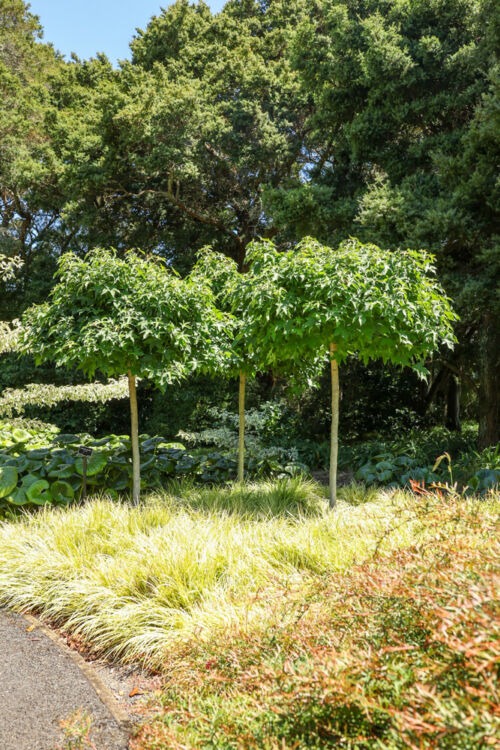
- Liquidambar styraciflua ‘Gumball’ is a compact deciduous feature tree prized for its naturally globe‑shaped crown. Its lush green summer foliage transforms into an impressive display of purples, oranges, reds, and yellows in autumn, creating a striking seasonal highlight.This dwarf cultivar originates from the American Sweetgum, which is native to the southeastern United States, Mexico, and Central America. It grows best in well‑drained soil and full sun, making it a versatile option for many landscapes. Because of its tidy form, Gumball suits smaller gardens, courtyards, and works beautifully when lining paths or driveways. It is typically grafted on a clear stem to form a classic lollipop shape, although lower grafts can create colourful autumn shrubs reaching about 2.5 × 2 metres. Easily trimmed to maintain preferred shape and height, ensuring it stays neat and attractive year‑round.
- Pittosporum cornifolium – Tawhiri Karo is a compact, evergreen shrub native to New Zealand. This rare Pittosporum variety features leathery, dark green leaves up to 6cm long, arranged in whorls that resemble a vireya rhododendron. In late winter, it produces sweetly scented yellow flowers that add charm and fragrance to sheltered garden spaces. Its unique foliage and blooms make it a standout feature. This shrub prefers moist, well-drained soil and thrives in a sheltered position. It’s ideal for smaller gardens or can be grown successfully in pots. Typically growing to around 2 metres tall and wide, Tawhiri Karo offers structure and interest without overwhelming limited spaces.
- Pseudopanax ‘Sabre’ is a striking evergreen tree native to New Zealand. It grows at a reasonably fast pace and showcases long, leathery, lance-shaped leaves in deep green, with a yellow orange mid rib —hence the name ‘Sabre’. Although similar to P. crassifolium, this variety grows faster and features wider, thicker foliage. As a result, it offers a bolder presence in the garden while remaining easy to manage. It thrives in most soil types and adapts well to both full sun and semi-shade. Moreover, its resilience makes it an excellent choice for coastal gardens and exposed sites. Over time, ‘Sabre’ matures into a more open habit. However, you can easily trim it to maintain shape and height, making it ideal for smaller gardens. It typically reaches around 4 x 3 metres at maturity.