New Zealand Native Trees
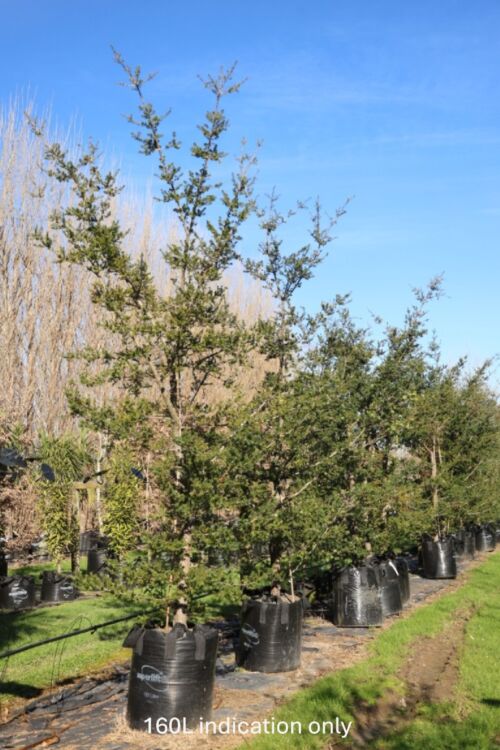
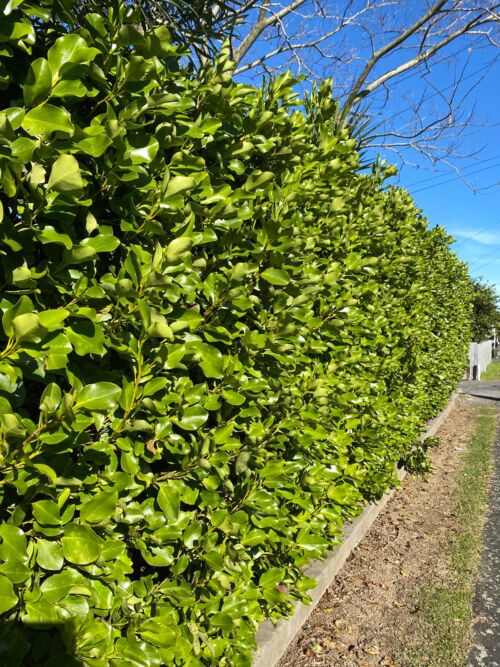
- Pittosporum eugenioides – Lemonwood, also known as Tatara, is a moderately fast-growing evergreen tree native to New Zealand. It naturally forms a bushy, pyramidal shape, making it a striking addition to any landscape. Its large green leaves release a refreshing lemon scent when crushed. In spring, clusters of small white-cream flowers bloom with a fragrant aroma. These are followed by black seed capsules that attract native and seed-loving birds. This tree thrives in full sun and prefers free-draining soil. Once established, it tolerates moderately windy conditions. Ideal for medium sized hedging or larger screening, Lemonwood responds beautifully to trimming. It typically grows to around 6 metres tall and 4 metres wide, offering both height and density.
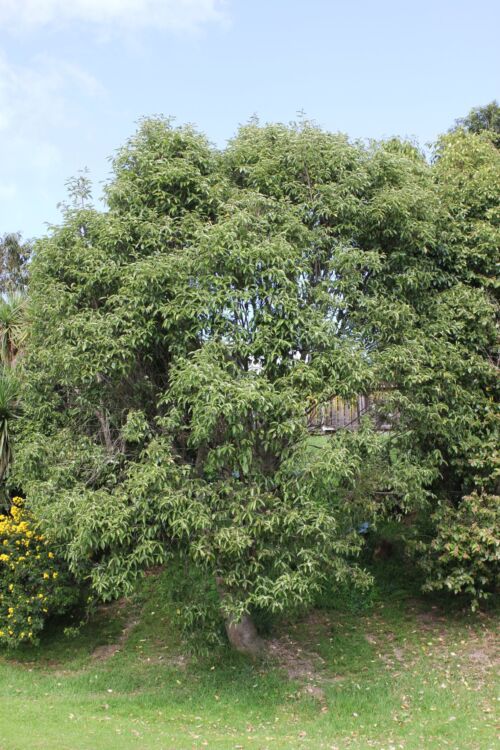
- Meryta sinclairii – Puka is a smaller evergreen tree native to New Zealand. Its upright, spreading branches hold huge, tropical-looking leaves that shine deep green. These handsome leaves can reach up to 50cm long and 20cm wide, creating a bold and lush display. From August to April, Puka produces inconspicuous white-green flowers. Shiny black fruits follow and remain year-round, attracting foraging birds anfd adding interest and contrast to the foliage. This tree thrives in warm, frost-free climates with moist, fertile, and well-drained soil. Moreover, it is highly tolerant of wind and salt, making it an excellent choice for coastal gardens. Growing to approximately 5 x 3 metres, Puka works beautifully as a stand-alone specimen. It also serves well as a filler at the back of a garden, providing structure and tropical appeal.
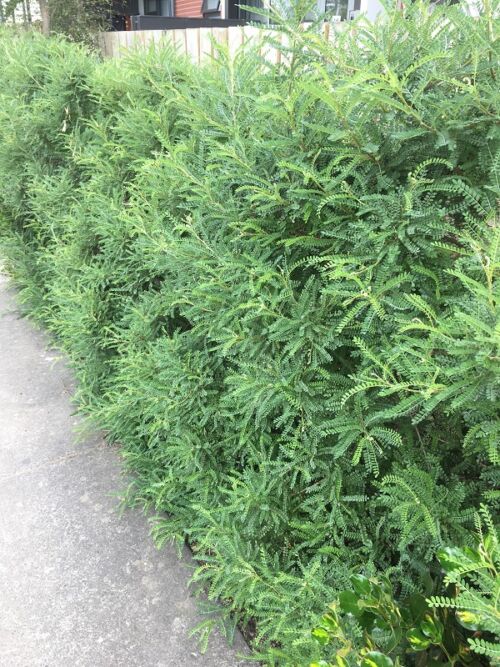
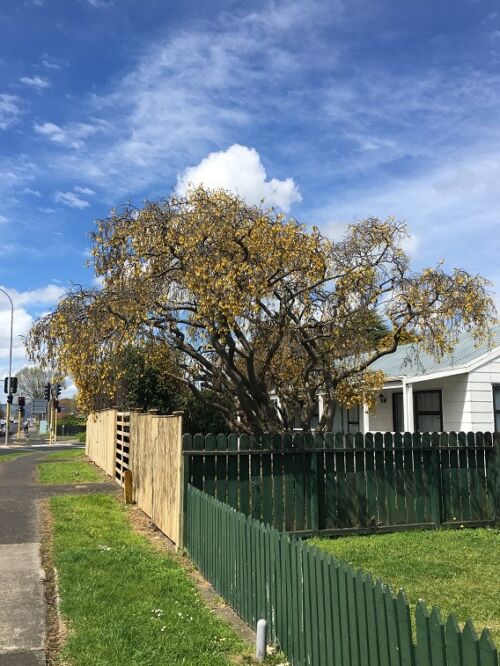
- Sophora tetraptera, commonly known as NZ Kowhai, is a graceful, arching evergreen native tree. It grows slightly larger than its close relative, Sophora microphylla, making it an excellent choice for those seeking a more prominent garden feature. Notably, its dark green pinnate leaves are larger—ranging from 8 to 16 cm—and unlike microphylla, it does not exhibit tangled juvenile growth. In early spring, this tree bursts into golden yellow blooms arranged in racemes of 4 to 10 flowers, which appear earlier than those of microphylla. As a result, it creates a more open and airy visual impact. When in full bloom, NZ Kowhai is truly spectacular. Moreover, it attracts Tui and other nectar-loving birds, adding vibrant life to your garden. Ideally, it prefers a sheltered position with moist, well-drained soil. Ultimately, it grows to approximately 7 x 4 meters, making it a perfect feature tree for smaller gardens.
- 7 x 4m
- Medium 5-10m
- Moderate
- Tree
- Spreading
- Deciduous
- New Zealand/div>
- Sophora Microphylla, Sophora Chathamica
- Green
- Yellow
- No
- Moist well drained
- Prefers a sheltered position
- Small garden, Shade Tree, Feature, Bird Feeding
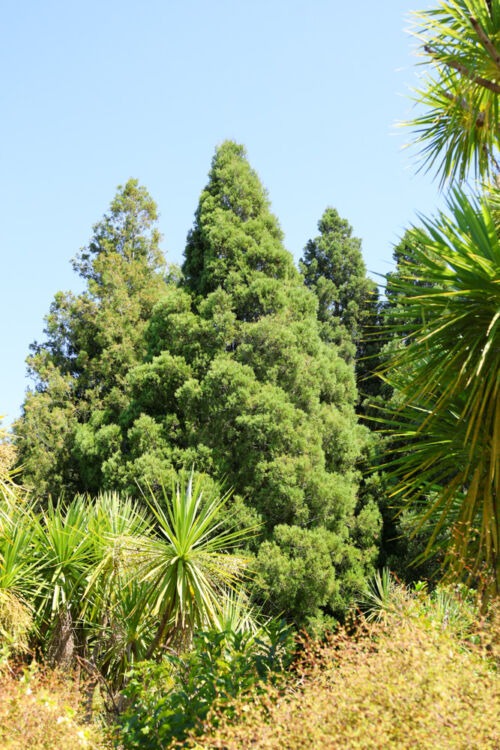
- Podocarpus totara ‘Matapouri Blue’ – Blue Totara is a distinctive New Zealand native Totara with a more upright, open pyramidal form. Its striking blue-grey, needle-like foliage adds unique colour and texture to any landscape. This slow-growing evergreen prefers full sun and moist, well-drained soil. It’s hardy and adaptable, making it suitable for a range of garden styles and conditions. Ideal as a specimen tree, it can also be trimmed into a hedge or left to grow as a natural screen. Its elegant structure offers year-round interest. In optimal conditions, Blue Totara can reach approximately 7 x 5 metres at maturity.
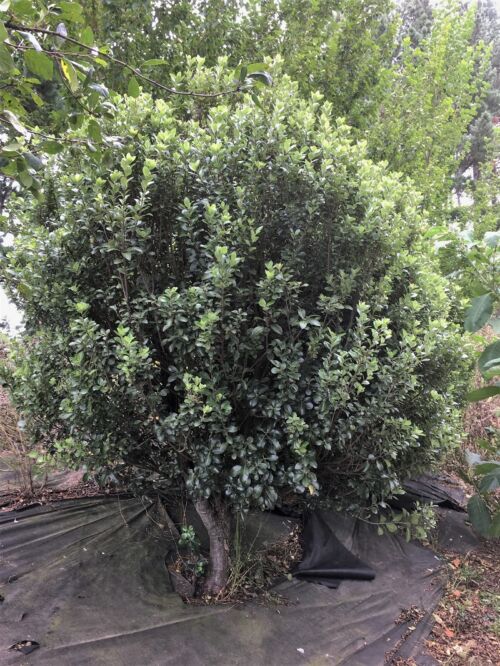
- Pittosporum ‘Stephens Island’ is a smaller evergreen tree native to New Zealand. It forms a rounded shape with smooth, dark green, pointed leathery leaves, creating an attractive and compact appearance. This variety is highly useful for hedging and screening. Small purple flowers, lightly scented and most fragrant in the quiet of early morning or evening, produce seed that attracts small feeding birds. Originating from a windy island in the Cook Strait, it is well-suited to exposed coastal gardens. Moreover, it can withstand salt spray and thrives in moist, well-drained soils. Growing to approximately 4 x 2 metres, Pittosporum ‘Stephen’s Island’ makes an excellent smaller hedge. When kept trimmed, it maintains bushiness and provides year-round structure and greenery.
- Leptospermum scoparium – Manuka or Tea Tree is a compact, native New Zealand tree known for its resilience and beauty. It’s ideal for gardens seeking year-round interest and biodiversity. Dark green foliage is narrow, lance-shaped and sharply pointed. From late autumn to early spring, the tree bursts into single or double flowers, offering a vibrant display and nectar for bees. These are followed by its berries, which resemble tiny hot cross buns. Manuka is also prized for its high-quality honey, making it a valuable addition to any landscape. Hardy and adaptable, Manuka tolerates clay soils and thrives in windy coastal areas or dry conditions once established. Avoid overly wet soils for best results. It typically grows to around 5 meters tall and 3 meters wide.
- Sophora microphylla, commonly known as small-leaved kōwhai, is a graceful, semi-open, semi-deciduous native tree of New Zealand. Its delicate form makes it ideal for smaller gardens, while its vibrant seasonal displays add striking visual interest throughout the year. During its juvenile stage, this species features distinctive zig-zag (divaricating) branches. Over time, these develop into arching, spreading limbs adorned with small, pinnate green leaflets 🌿 that soften its overall form. In spring, golden-yellow tubular flowers bloom in pendulous racemes. These 45mm blossoms appear en masse, attracting Tui and other nectar-loving birds with their rich nectar. This Kowhai thrives in well-drained soil and sheltered spots. It grows happily in full sun or partial shade, making it versatile for various garden settings. Prefers free draining moist soils and is not suitable for waterlogged or extremely dry sites. With proper care, it becomes a stunning feature tree that reaches approximately 5 metres tall and 2.5 metres wide.
- Hoheria populnea, known as Lacebark, is a compact evergreen tree native to New Zealand. Its slender branches carry fresh, light green leaves that are semi-glossy, veined, and sharply toothed, giving it a delicate yet vibrant appearance. From late summer into autumn, the tree bursts into bloom with masses of starry, snow-white flowers. These striking blossoms often conceal the foliage, creating a dazzling seasonal display. The name “lacebark” refers to its fibrous inner bark, which resembles fine lace. This net-like material can be torn into ribbons and was traditionally used by Māori and Pākehā for weaving hats, capes, and baskets. Thriving in full sun, it prefers moist, well-drained soil that doesn’t dry out too much. With its graceful form and cultural significance, it makes an ideal shade tree for smaller gardens. Expect it to grow to approximately 5 metres tall and 3 metres wide.
- Kahikatea, also known as White Pine, stands as New Zealand’s tallest native tree and commands attention with its strong, upright form. As a coniferous species, it grows relatively fast and develops a bold presence in wetland and lowland environments. In its juvenile stage, Kahikatea features drooping, needle-like foliage with a distinctive brown-bronze hue. Over time, this matures into a mid-green canopy as the tree gains height and structure. For many years, it maintains a columnar to oval shape before eventually opening into a broad, stately crown. Typically found growing in groups across swampy areas throughout New Zealand, Kahikatea thrives in damp soils and performs well in restoration projects and native plantings. Within 10 years, it can reach approximately 10 metres in height and 5 metres in width. Given time, it matures into a towering specimen—often exceeding 40 metres. This iconic tree is not only a symbol of strength and endurance but also plays a vital role in New Zealand’s ecological heritage.
- 10 x 5 in 10 Years, 40+ at maturity
- Tall 10+m
- Fast
- Tree
- Columnar-Oval
- Deciduous
- New Zealand/div>
- Dacrydium Cupressinum, Liriodendron tulipifera fastigiata, Olea El Greco, Knightia Excelsa, Acer Bowall, Poplar crow’s nest, Quercus robur fastigiata, Carpinus Betulus fastigiata
- Green
- Damp-Wet Tolerant
- Inhabits mostly lowland forests between 0–600 m in North and South Islands
- Statement tree, Bird feeding
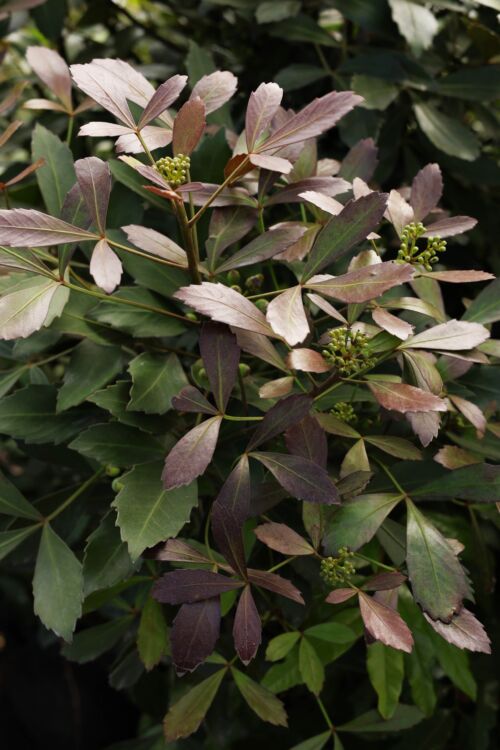
- Pseudopanax lessonii ‘Purpurea’ is a fast-growing evergreen shrub or small tree native to New Zealand. Multi-branched and compact, it features fleshy, palmate leaves in striking dark purple-red tones with three to five leaflets. From December to February, small green flowers appear, followed by dark purple fleshy fruit. These fruits attract birds, adding seasonal interest and wildlife appeal to the garden. This variety prefers moist, well-drained soil but will not tolerate waterlogging. For the best colour, plant in full sun where its foliage shines most vividly. ‘Purpurea’ can be left to grow as a small shade tree. Alternatively, it trims well into a compact hedge or can be clipped to form a larger bushy screen, offering flexibility in garden design. Ideal for coastal gardens, it withstands salt-laden winds and thrives in exposed conditions. Growing to approximately 4 x 2.5 metres, it provides structure, colour, and resilience year-round.
- Sophora microphylla 'Dragons Gold', also known as Dwarf Kowhai, is a compact native shrub from New Zealand. It forms a rounded shape with small, pinnate green leaflets, offering year-round visual interest. From late winter to spring, bright yellow flowers bloom earlier than other Kowhai varieties. These tubular blossoms attract Tui and other nectar-loving birds, adding vibrant life to your garden. Dragons Gold prefers a sheltered spot with well-drained soil. It tolerates both full sun and partial shade, making it adaptable to various garden conditions. Ideal for smaller gardens, it can be grown in pots or mass planted to cover larger areas. Its tidy form and easy maintenance also make it perfect for low hedging or borders. Typically, 'Dragons Gold' grows to around 2.5 metres tall and wide, making it a versatile and eye-catching addition to any landscape..
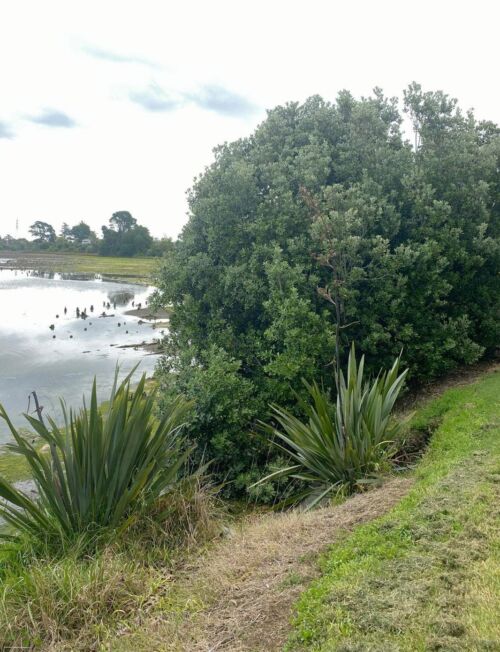
- Pittosporum crassifolium - Karo is a compact, evergreen tree native to New Zealand. Its bushy form and leathery dark green leaves, felted underneath, give it a lush appearance. In spring, it produces sweetly scented purple flowers, especially fragrant during calm mornings or evenings. After flowering, it forms seed capsules that attract and feed native and other small birds. Karo is easily trimmed into a tidy hedge or left to grow as a hardy screen, either trimmed or natural. It thrives in full sun and well-drained soil. Once established, it tolerates dry conditions, coastal exposure, and strong winds—making it ideal for challenging sites. This very hardy tree typically grows to around 6 metres tall and 4 metres wide, making it ideal for gardens needing structure and resilience.
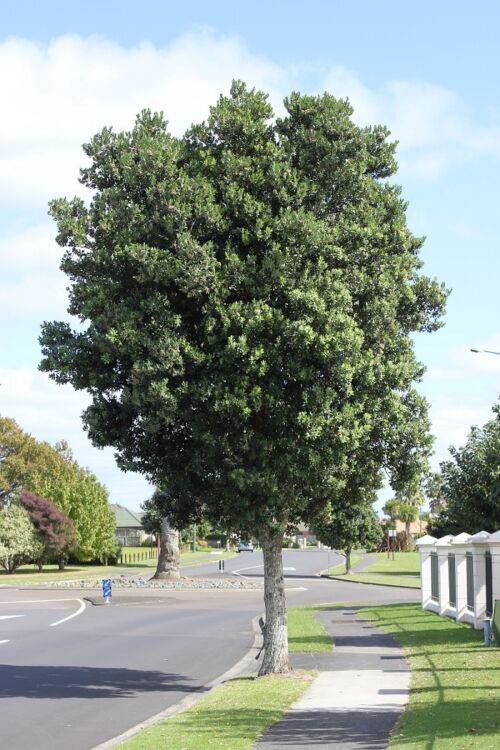
- Metrosideros excelsa 'Maori Princess' is a refined cultivar of the iconic Pohutukawa, selected for its upright, pyramidal growth habit. Its foliage is a distinctive deep green, offering a lush contrast to its vivid red flowers. Because of its compact form and neat structure, this tree is ideal for smaller gardens or urban landscapes. In addition, its tidy shape makes it easy to maintain and visually appealing year-round. In late spring, 'Maori Princess' produces brilliant red flowers that cover the tree in a spectacular display. These blooms are not only eye-catching but also serve as a valuable food source for native birds. Consequently, this tree adds both beauty and biodiversity to your garden. Growing to around 7 x 5 metres, it can be clipped to shape, making it suitable as a screen, hedge, or standout specimen. Metrosideros varieties, including 'Maori Princess', thrive in coastal environments and are impressively resilient. They tolerate poor soil, excess moisture, and even drought. Moreover, they withstand salt-laden winds and arid conditions, making them perfect for exposed sites. While they can grow in clay and wet soils, they perform best in moist, well-drained earth. Therefore, this cultivar is not only tough but also an excellent shade tree for compact outdoor spaces.
- A bold and fast-growing native of New Zealand, Griselinia littoralis 'Broadway Mint' or Kapuka, is a robust shrub or small tree—an impressive variety of littoralis. Its light mint-green leaves are glossy with a wavy edge that adds texture and strength to any landscape. Moreover, this versatile plant is easily clipped into a tidy smaller garden hedge or, if preferred, allowed to grow into a larger, structured screen. Not only does it thrive in coastal conditions, but it also stands up well to strong winds and frosts—making it a reliable choice for exposed sites. For best results, ensure good drainage. Ultimately, it reaches approximately 3.0 x 3.0 meters in size, offering both presence and practicality. Interestingly, the Latin word littoralis translates to “growing by the sea,” a fitting nod to its coastal resilience.
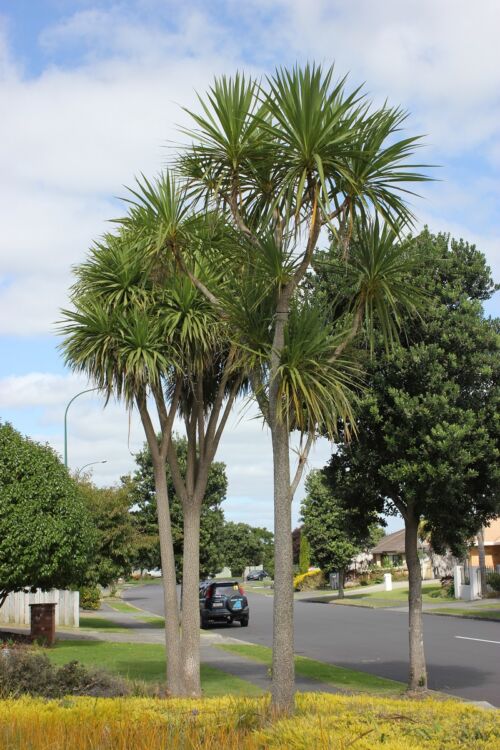
- Cordyline australis, commonly known as the Cabbage Tree or Ti Kouka, is a striking native tree found throughout New Zealand. With its upright trunk and clusters of long, drooping leaves—often reaching up to 1 metre—it resembles a palm and adds architectural flair to any landscape. In late spring, this hardy tree bursts into large heads of creamy white, scented flowers. These blooms are rich in nectar, attracting bees and other pollinators. As summer progresses, the tree produces fruit that draws native birds from January to April, enhancing biodiversity in your garden or property. Cordyline australis thrives in a wide range of environments—from swampy wetlands to dry, windy hill slopes. It’s commonly seen across farmland, open spaces, and scrubland in both the North and South Islands. While it tolerates clay soils, it performs best in free-draining ground and is resistant to coastal winds and harsh conditions. The name “Cabbage Tree” arose from early European settlers who, like Maori, used the tender heart-shoots as a vegetable. Its Latin name, australis, fittingly means “southern” or “of the south,” reflecting its deep roots in New Zealand’s southern landscapes. This iconic tree typically grows to around 6 metres tall and 2 metres wide, making it a bold and resilient choice for coastal gardens, rural properties, and native restoration projects.
- 6 x 2m
- Medium 5-10m
- Slow - Moderate
- Palm
- Upright
- New Zealand/div>
- Nikau Palms
- Green
- White
- Fragrant
- Dry once established, Damp-Wet, Clay
- Coastal, Windy, Hardy
- Bird Feeding, Small Gardens
- Alectryon excelsum - Titoki or the New Zealand Oak is one of Aotearoa’s most beloved native trees, prized for its easy care and striking appearance. Its lush, glossy green pinnate leaves with finely serrated edges create a vibrant, tropical feel in any garden. In early summer, Titoki produces unusual sprays of rusty, woolly, petal-less flowers that have a distinctive reddish-brown colour. These are followed by clusters of small, bright red fruit that are attractive to native birds, adding life to your outdoor space. Best suited to sheltered spots with full sun, Titoki thrives in rich, free-draining soil. With its elegant form and attractive foliage, it makes an excellent specimen tree. Mature size: approximately 7 metres tall by 3 metres wide
- Pittosporum crassifolium ‘Green Lustre’ is a hardy, evergreen tree native to New Zealand. Closely related to the standard Karo, it differs in that it features glossy green leaves on top with a soft, felted underside. This compact tree adds texture and depth to any garden. In spring, it blooms with sweetly scented purple flowers. These are especially fragrant during still mornings or calm evenings, adding charm to outdoor spaces. It thrives in full sun and well-drained soil. Once established, it tolerates dry conditions and handles windy sites and coastal exposure. Whether trimmed into a neat hedge or left to grow naturally, it forms a dense screen. Typically, it reaches around 6 metres tall and 4 metres wide.
- Dodonaea viscosa ‘Purpurea’ – Purple Akeake is a tough, upright native New Zealand tree with bold, glossy purple-red foliage that deepens in colour during the cooler months. In summer, it puts on a show with unusual light red to purple papery flower clusters that add a rugged splash of contrast. Over time, Purple Akeake spreads out, making it a good choice for privacy screening or adding colour into compact garden spaces. It handles a wide range of soil types, salt spray, wind, and drought once established—but thrives best in moist, well-drained soil. Trim regularly to maintain a dense, bushy form. The name viscosa refers to the sticky texture of its seeds. Grows to approximately 3.5m high x 2.0m wide.
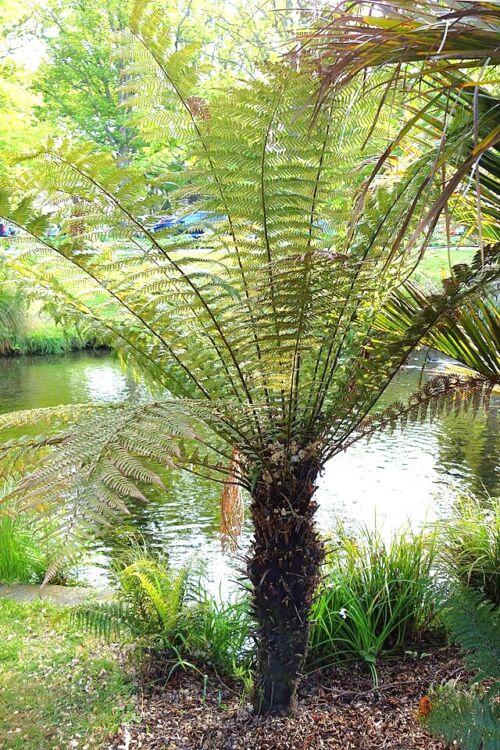
- A stout tree fern, distinguished by its thick fibrous, soft trunk which can reach up to 6 m tall, over a very long time. Fronds grow 1-2m in length forming dense crown in the shape of a shuttlecock.. Dead fronds leave a tidy skirt beneath crown. While slower growing It does well in average garden conditions. This variety is suited to a sunny position or light shade. Found in lowland and lower mountain forest. Grows to apx 6 x 2m
- Native to New Zealand, Sophora chathamica (Coastal Kowhai) is a semi-deciduous tree known for its spreading form and vibrant spring display. It features small, pinnate green leaflets that create a soft, open canopy. Unlike other Kowhai species, Coastal Kowhai does not have a divaricating (Zig-Zag) juvenile stage. Instead, it grows with a naturally elegant structure from an early age, making it easy to identify. In spring, the tree bursts into golden-yellow, tubular flowers arranged in pendulous racemes. These 45mm blooms appear en masse and attract Tui and other nectar-loving birds, adding life and movement to any garden. Coastal Kowhai thrives in moist, well-drained soil and thrives in coastal forest environments. It’s often found on banks overlooking estuarine rivers or sheltered inlets, where it enjoys mild conditions and good drainage. Previously classified as Sophora microphylla, this species is now recognized for its distinct traits. It makes a stunning feature tree in small gardens and typically grows to around 6 metres tall and 4 metres wide.