Order Quality Trees Online – Delivered Straight to Your Door
Welcome to Our Online Plant Store
From our nursery to your backyard — it’s never been easier to create the garden you’ve been dreaming of. Whether you’re after statement trees, hedging, or lush planting to fill your outdoor spaces, you can now browse and order directly online.
We provide an extensive range of high-quality plants and trees that are perfect for residential landscapes — all backed by the same expert care and service we’re known for. No trade account needed, no back-and-forth calls. Just beautiful plants, delivered to your door.
Shop by category
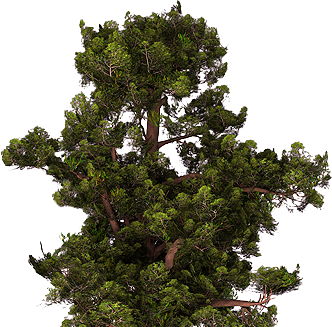
New Zealand Native Trees
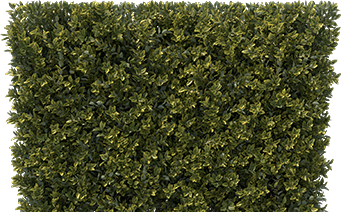
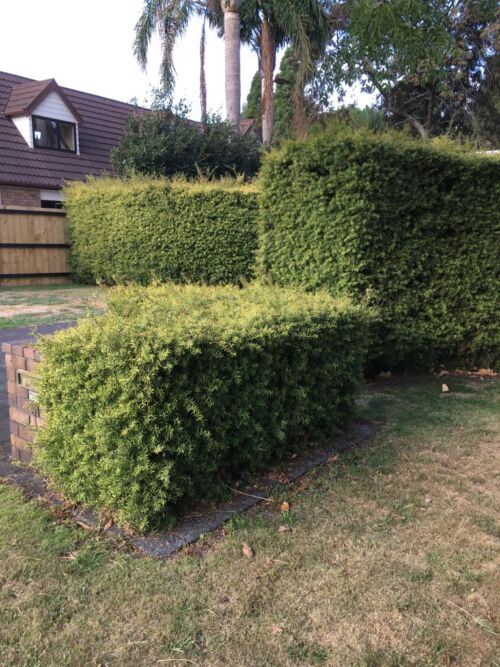
Hedging Plants
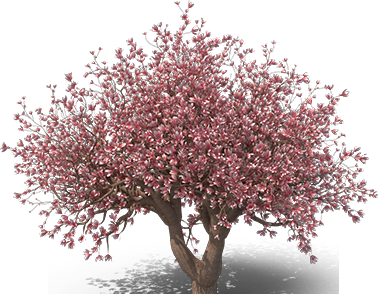
Flowering Trees

Evergreen Exotic Trees
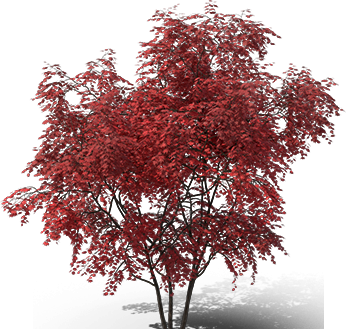
Deciduous trees
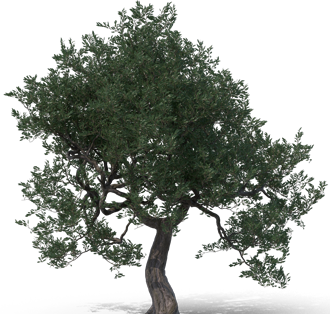
Character Olive Trees
Browse all Trees
- Podocarpus totara 'Black Bridge', also known as Upright Totara, is a bushier and more upright form of the native NZ Totara. Unlike the standard Totara, it skips the thin juvenile stage and instead develops a dense, strong structure from an early age. As a result, it offers a robust and tidy appearance right from the start. With a moderate growth rate, this versatile tree is ideal as a stand-alone specimen in areas where space is limited. Alternatively, it can be easily trimmed into a compact hedge or allowed to grow on and shaped into a screen or shelter belt. Furthermore, once established, it tolerates drier conditions well—although it still prefers moist, well-drained soil for optimal health. Thanks to its hardiness and adaptability, 'Totora Black Bridge' is an excellent choice for a wide range of garden styles. Ultimately, it reaches approximately 8 x 5 meters, making it a striking yet manageable feature in any landscape.
-
- Pseudopanax ‘Cyril Watson’ is an evergreen shrub native to New Zealand. This unusual cultivar stands out with glossy tropical leaves shaped like a duck’s foot, adding a distinct touch to any garden. Moreover, its compact, bushy habit makes it highly popular. Gardeners often use it as a neatly trimmed hedge or clip it into a larger screen, creating structure and style with ease. In addition, Pseudopanax ‘Cyril Watson’ prefers fertile, moist, and well-drained soil. It thrives in full sun to partial shade, while tolerating coastal conditions and moderate frost once established. It was first discovered by Cyril Watson in 1965 on the slopes of Mt. Taranaki in the North Island of New Zealand. The plant was named in honour of Watson, who was a renowned botanist and naturalist. Growing to approximately 3 x 2 metres, it offers both resilience and beauty
- Pseudopanax ferox – Savage Lancewood (Horoeka) is an unusual New Zealand native, closely resembling Pseudopanax crassifolium. In its juvenile stage, it grows with a single thin stem and long, slender pale grey-brown leaves. These leaves feature distinctive saw-like teeth along the edges, giving the plant a striking appearance. After 10–15 years, the tree reaches maturity. At this stage, the leaves become shorter, wider, and dark green. Its form changes into a more typical tree shape, with spreading branches that build a rounded crown. In ideal conditions, Savage Lancewood can reach around 6 metres in height with a trunk up to 25 cm in diameter. The mature trunk develops distinctive vertical grooves, sometimes twisting slightly, adding further character. This species prefers well-drained soil and tolerates drier conditions once established. It grows best in full sun, slowly reaching approximately 6 x 1 metres over many years. Perfect as a statement specimen, it adds drama and uniqueness to any garden.
- Pseudopanax lessonii – Houpara is an evergreen New Zealand native that grows as a multi-branched shrub or small tree. Fast-growing, it features fleshy, palmate-shaped dark green leaves with three to five leaflets, creating a lush and tropical look. From December to February, small green flowers appear, followed by dark purple fleshy fruit. These fruits attract birds, adding life and movement to the garden throughout the year. Houpara can be left to grow as a small shade tree. Alternatively, it trims well into a hedge or can be clipped to form a larger screen, offering versatility in garden design. This hardy species is ideal for coastal gardens as it withstands salt-laden winds. It prefers moist, well-drained soil in full sun or partial shade and tolerates clay soils, though not waterlogged conditions. Growing to approximately 4 x 2.5 metres, Houpara makes an excellent choice for structured planting and year-round greenery.
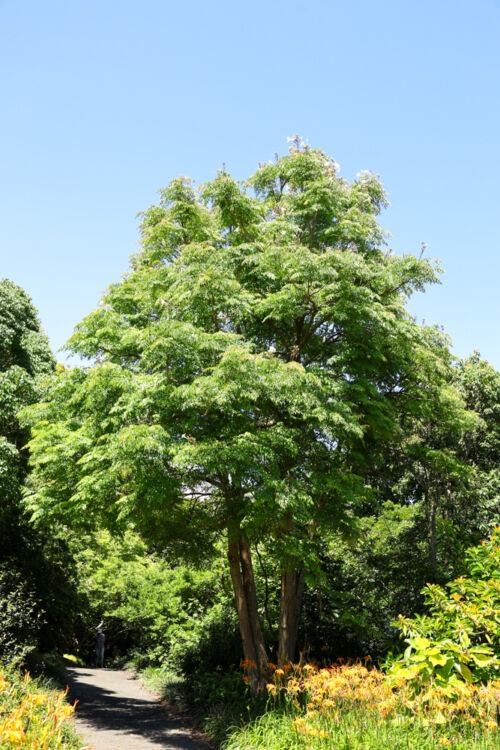
- Radermachera sinica, also known as Canton Lace or China Doll, is a sub tropical, fast growing evergreen tree native to Southern China. It has an open, spreading form and features emerald green bipinnate leaves that reach up to 50 cm. In summer, the tree produces long, white, trumpet shaped flowers that create a striking display. It prefers moist, well drained soil in full sun, and should be kept evenly moist during dry periods for best growth. Because young plants are sensitive to cold, they should be protected from frost. Easily pruned to maintain height or shape, making it ideal for hedging or privacy screens. Additionally, it grows well indoors as a houseplant. A mature Radermachera sinica typically reaches around 8 × 5 metres.
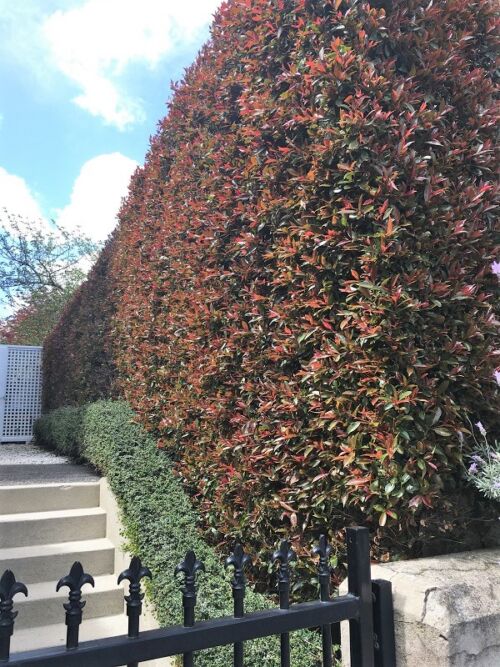
- Syzygium ‘Resilience’, a highly psyllid-resistant Lilly Pilly now available in New Zealand, thanks to Black Bridge Nurseries. This exceptional cultivar, originally from Australia, has been specially selected and propagated to combat the damage caused by the troublesome psyllid insect. Like other Lilly Pilly varieties, ‘Resilience’ forms a lush, compact shrub with vibrant mid-green foliage. In spring, its fresh growth flushes red tones, adding seasonal colour and visual interest to the garden. In summer, ‘Resilience’ bursts into bloom with masses of fluffy white flowers, followed by vibrant red berries that attract birds. It’s faster growing than traditional varieties, with a stronger, straighter central leader and a more robust root system. It also performs well in shaded areas, making it a versatile choice for many garden settings. Thriving in moist, well-drained soil, this hardy shrub can reach approximately 7m high by 3m wide but responds well to trimming making it ideal for hedging, screening, and topiary. Syzygium ‘Resilience’ is a standout performer in any landscape. Standards have a clear trunk and are bushy on top. As a group planted together they create a hedge or screen "on stilts" and are called a "pleached hedge".
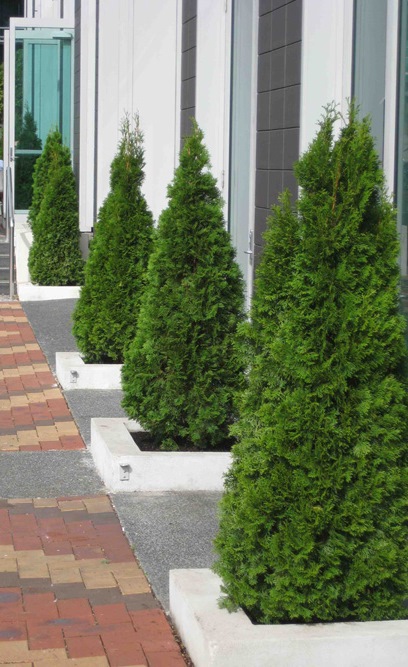
- Thuja occidentalis 'Smaragd' is an elegant, evergreen conifer with a compact, conical shape. Its slow-growing nature means it maintains form without the need for trimming, making it ideal for low-maintenance gardens. Bright green, glossy foliage grows densely along upright branches, creating a refined vertical accent. Moreover, it tolerates humid conditions better than many other upright conifers. This versatile plant thrives in full sun or part shade and prefers well-drained soil. Because of its tidy shape, it suits containers, small gardens, or as striking statement pillars. Typically growing to around 4.0 x 1.5 metres, it fits beautifully into formal or modern landscapes. Interestingly, the name “Smaragd” comes from Ancient Greek and translates to “green stone,” reflecting its vibrant colour
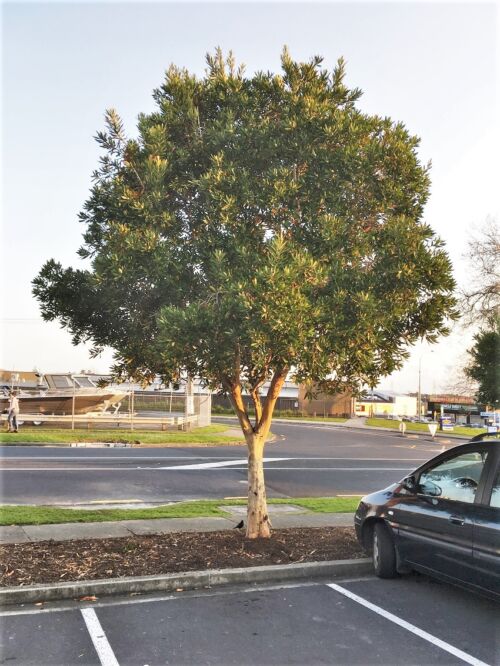
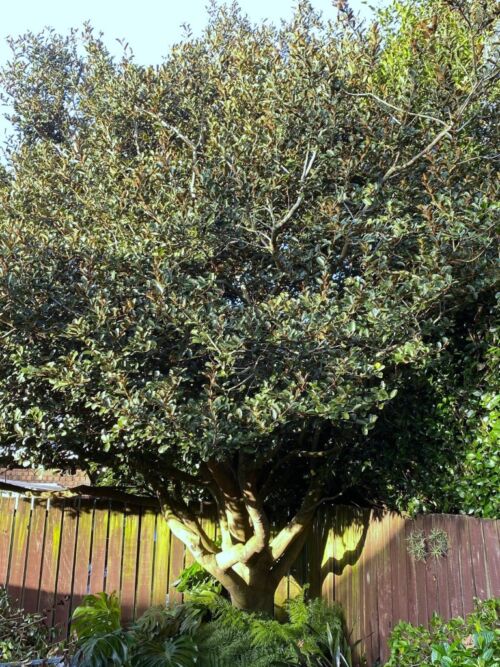
- Tristaniopsis laurina – Kanooka or Water Gum is a medium-sized evergreen tree with a rounded, compact form. Its dark, glossy green leaves provide year-round appeal, making it a striking feature in any landscape. Native to Australia, this tree produces clusters of small, fragrant yellow flowers during summer. These blooms not only enhance its beauty but also attract pollinators, bringing extra life and movement to your garden. Kanooka Water Gum tolerates clay soils, yet it performs best in moist, well-drained conditions. For optimal growth and colour, plant it in full sun while avoiding sites that are overly wet or dry. Versatile and adaptable, it suits street planting, lawn specimens, and smaller gardens where shade is desired. Typically reaching 7 metres tall and 4 metres wide, it can also be pruned to maintain a neat, compact shape.
- Callistemon ‘Kings Park Special’ is a vigorous, evergreen small tree native to Australia. Its long, narrow green leaves decorate slightly pendulous branches, creating a graceful form in the garden. Furthermore, masses of red, fluffy, bottlebrush flowers with golden anthers bloom in spring and autumn. These vibrant flowers provide abundant nectar, attracting bees and birds while adding seasonal colour. In addition, this hardy tree tolerates poor dry soils once established, as well as clay, coastal, and windy conditions. However, avoid wet or poorly drained sites. Best grown in full sun, it reaches approximately 3m high and 2m wide if left untrimmed but trimmed also makes an excellent screen or hedge.
-
- Description
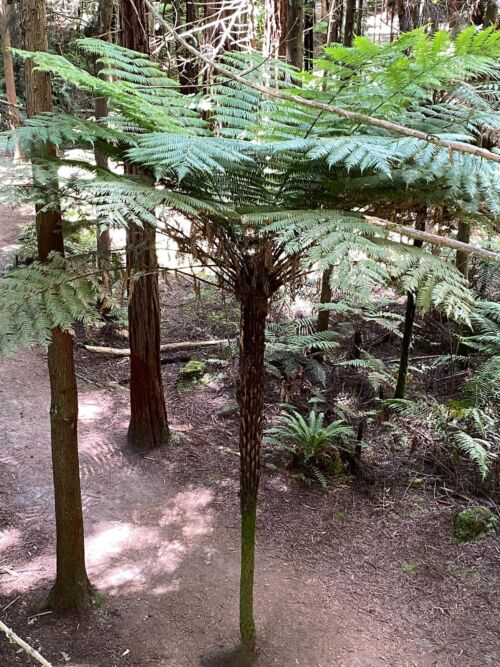
Wheki or Brown Ponga is a hardy NZ native tree fern. It grows a tall, slender, brown trunk to approx 6m. Fronds can reach 1.5 to 3m in length which give it the appearance of a small “umbrella” on top of the trunk. It is the most popular New Zealand tree fern which is easy to grow and maintain. Hardiness and smaller dimensions make it an excellent garden variety. Height x Width 6 x 3 Height Range Medium 5-10m Growth Rate Moderate Plant Type Palm Shape / Habit Palm Country of Origin New Zealand Similar to Consider Cyathea medularis, Cyathea dealbata, Dicksonia fibrosa. - Leaf
Leaf Colour Green - Flower
Flower Colour Nil - Uses
Specimen Yes Accent Yes Note: Growth, height and grade information are given in good faith but are subject to natural variables beyond our control. - Michelia ‘Gracipes’ is a compact, evergreen tree with a rounded form, making it ideal for smaller gardens. Its dark, olive-green leaves feature a distinctive brown felt underside, adding subtle texture and year-round interest. From late winter into early spring, this wonderful tree produces small, round, perfumed cream flowers with prominent stamens. These blooms emerge from furry brown buds, creating a charming and fragrant display. For best results, plant in moist, well-drained soil in a sheltered, sunny position. While it is slow-growing, it responds well to trimming and can be shaped into a hedge or left to grow on showcased as a specimen tree. Interestingly, Michelia ‘Gracipes’ was bred and developed in New Zealand. Although its lineage may include Chinese species such as Michelia yunnanensis, this particular cultivar is proudly of New Zealand origin. It prefers protection from strong winds so it’s well-suited to sheltered urban gardens. Reaching approximately 4 x 3 metres at maturity, it offers compact beauty and refined structure.
- Carpodetus serratus – Putaputaweta is a small, rounded evergreen tree native to New Zealand. Its upright branches carry dark green serrated leaves, giving the tree a distinctive texture and form. In early summer, masses of tiny white flowers appear, creating a delicate display. This tree prefers a sheltered site and tolerates damp conditions, making it versatile in challenging environments. Moreover, Putaputaweta occurs across diverse habitats, from coastal areas to mountain regions, along streams and forest edges. Growing to approximately 5m high and 3m wide, it makes an excellent small shade tree. Interestingly, the epithet serratus comes from Latin, meaning “saw-toothed” or “serrated” and refers to the leaves.



Why buy online?
Buying plants and trees online doesn’t have to feel risky or impersonal. At Black Bridge Nurseries, we’ve made it simple, safe, and satisfying — so you can shop with confidence, from the comfort of home.