Order Quality Trees Online – Delivered Straight to Your Door
Welcome to Our Online Plant Store
From our nursery to your backyard — it’s never been easier to create the garden you’ve been dreaming of. Whether you’re after statement trees, hedging, or lush planting to fill your outdoor spaces, you can now browse and order directly online.
We provide an extensive range of high-quality plants and trees that are perfect for residential landscapes — all backed by the same expert care and service we’re known for. No trade account needed, no back-and-forth calls. Just beautiful plants, delivered to your door.
Shop by category
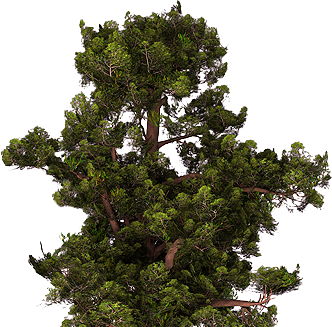
New Zealand Native Trees
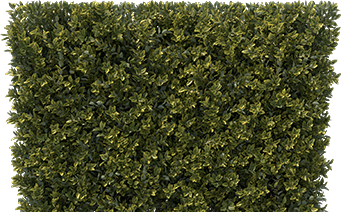
Hedging Plants
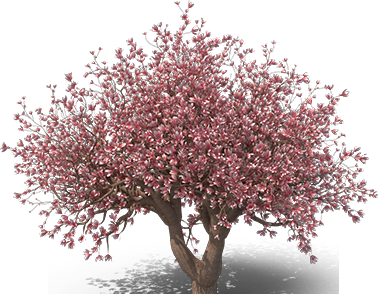
Flowering Trees

Evergreen Exotic Trees
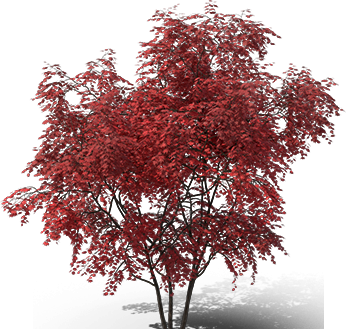
Deciduous trees
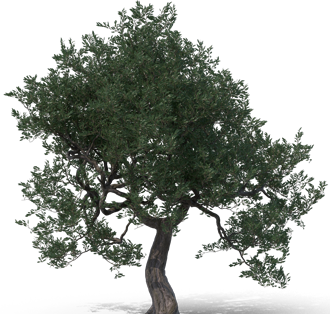
Character Olive Trees
Browse all Trees
- Vitex lucens, commonly known as Puriri, is a large, spreading native tree of New Zealand, historically prized for its strong and durable timber. Its dark green leaves consist of multiple leaflets joined together, creating a lush and textured canopy. In addition, Puriri produces cup-shaped, dull red flowers around 25mm in size, which are followed by vibrant orange-red fruits. These fruits are highly attractive to native birds, adding life to your garden throughout the seasons. Moreover, this hardy tree thrives near coastal areas and tolerates wind well, making it suitable for exposed sites. While it prefers free-draining soil, it performs best in warmer temperate climates. Whether planted as a striking specimen or integrated into a larger landscape, Puriri offers both beauty and resilience. Ultimately, it can grow to over 15 x 8 meters, although it responds well to pruning and can be shaped to suit smaller spaces.
- Acer palmatum - Japanese Maple, is a deciduous ornamental tree admired for its form and vibrant seasonal colour. Summer sees fresh green foliage transform into a display of oranges, reds, and yellows in autumn. Originating from Japan, Acer Palmatum is best planted in a sheltered spot away from strong winds to protect its delicate leaves. Its compact size and elegant structure make it a versatile choice for a wide range of garden styles—from traditional to contemporary. Ideal as a shade tree for smaller gardens, the Japanese Maple typically reaches around 5 metres tall and 4 metres wide, offering year-round visual interest and appeal.
- Alnus jorullensis, commonly known as the Evergreen or Mexican Alder, is a vigorous, fast-growing tree and as the name suggests, native to Mexico and South America. This species thrives in warmer climates, where it often remains evergreen throughout the year. With pale, papery grey bark and green, birch-like serrated foliage, it offers a soft, elegant appearance. Its drooping branches add a graceful touch to any landscape. Moreover, this tree is highly adaptable—it can fix nitrogen and tolerates poor, clay, damp, or even wet soils, making it a resilient choice for challenging sites. Thanks to its rapid growth and tolerance for trimming, Alnus jorullensis is ideal for creating shelter belts or privacy screens. Alternatively, it can be planted as a striking standalone shade tree, especially in areas where quick canopy cover is desired. Growing to approximately 7 metres tall and 3 metres wide, this versatile tree brings both beauty and function to gardens, rural properties, coastal and urban landscapes alike.
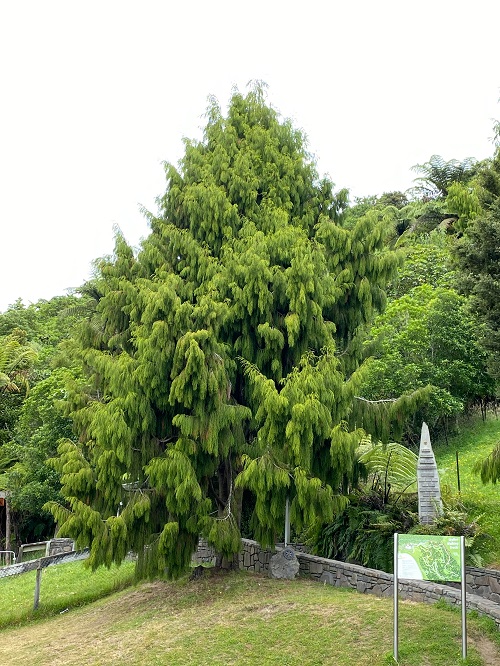
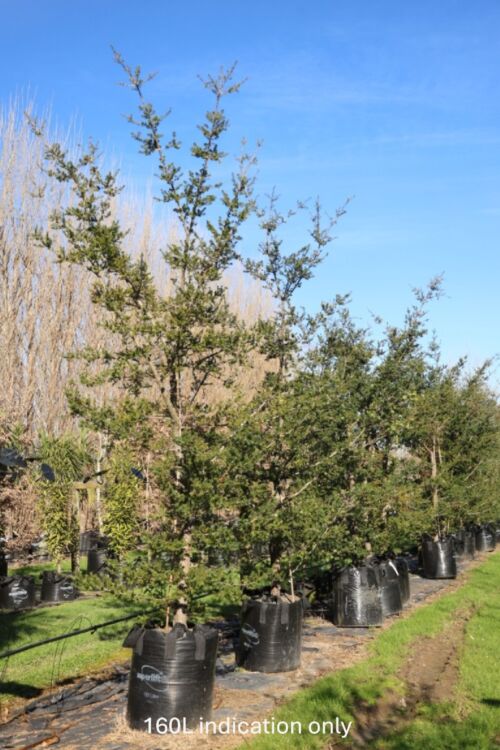
- Dacrydium cupressinum – Rimu, is and evergreen conifer native to New Zealand and is one of the most widespread and easily recognised forest trees in both the North and South Islands. With a slow to moderate growth rate, it develops into a commanding presence over time—ideal for both natural landscapes and structured garden settings. In its juvenile form, Rimu presents as a striking, pyramidal specimen with gracefully weeping branches and small, awl-shaped dark green leaves. As the tree matures, it broadens into a more upright form, shedding bark in thick, scaly plates that add rugged texture to its trunk. Thriving in cool, moist conditions, Rimu is well-suited to temperate gardens and native restoration projects. Within 10 years, it typically reaches around 10 metres in height and 4 metres in width. Given time, it can attain a majestic size of up to 25 metres tall and 9 metres wide. Whether planted for its ornamental value or ecological significance, Rimu stands as a bold and enduring symbol of New Zealand’s forest heritage.
- Didymocheton spectabilis – Kohekohe is a striking evergreen tree native to New Zealand. Found naturally in coastal forests across the North Island, it grows quickly and forms a handsome canopy, ideal for coastal gardens. Its large, tropical-looking leaves can reach up to 40cm long. From March to June, elegant, small waxy white flowers bloom directly from the trunk and branches, followed by fruit that enhances its exotic appeal. Kohekohe prefers moist, well-drained soil and full sun. It tolerates coastal conditions but dislikes waterlogged areas. In ten years, it typically reaches around 10 x 4 metres. At full maturity, it can grow up to 15 metres tall. Formerly known as Dysoxylum spectabilis, it remains a standout choice for native planting schemes.
- Ginkgo biloba ‘Autumn Gold’ – Maidenhair Tree is a spectacular male clone from the renowned Ginkgo family. Because it is a selected male variety, it will not produce unpleasant fruit. Developed in San Jose, California, this tree grows with a pyramidal shape, featuring symmetrical branches and distinctive grey, corky bark. Its broad, fan-shaped leaves resemble sections of a maidenhair fern. Throughout summer, the foliage is light green and leathery. As autumn arrives, the tree transforms with brilliant golden-yellow colour that lasts for an extended period, creating a striking seasonal display. ‘Autumn Gold’ thrives in moist, well-drained soil. Moreover, it will tolerate clay conditions, provided the site is not waterlogged. For best growth, plant in a sunny position. Mature specimens typically reach around 6 metres high and 4 metres wide, making this an excellent specimen tree for gardens and landscapes.
- Knightia excelsa, commonly known as Rewarewa, is a striking evergreen native to New Zealand. It forms a slender, erect, and tapering tree with long, green serrated leaves that adds texture and structure to the landscape. In spring, it produces very unusual tubular reddish-brown flowers with yellow tips that are highly attractive to native birds, adding both ecological value and seasonal interest. Because of its upright habit, Rewarewa is ideal for smaller gardens and narrow spaces. Additionally, it is well-suited to coastal gardens. While it tolerates clay soils, overly wet conditions should be avoided. Likewise, phosphate-based fertilizers are not recommended. Typically, it grows to approximately 7 x 3 metres, making it a manageable yet elegant choice for urban and rural settings alike. Interestingly, the Latin name Excelsa refers to its tall, strong stature.
- 7 x 3m
- Medium 5-10m
- Moderate
- Tree
- Columnar
- Evergreen
- New Zealand
- Liriodendron tulipifera fastigiata, Olea El Greco, Dacrydium Cupressinum, Acer Bowall, Poplar crow’s nest, Quercus robur fastigiata, Carpinus Betulus fastigiata, Dacrycarpus Dacrydoidies, Cupressus totem
- Green
- Reddish Brown
- No
- Prefers Moist well drained, Will tolerate clay, Not Wet
- Coastal, Wind
- Avenue, Small Garden, Bird Feeding, Narrow Spaces
-
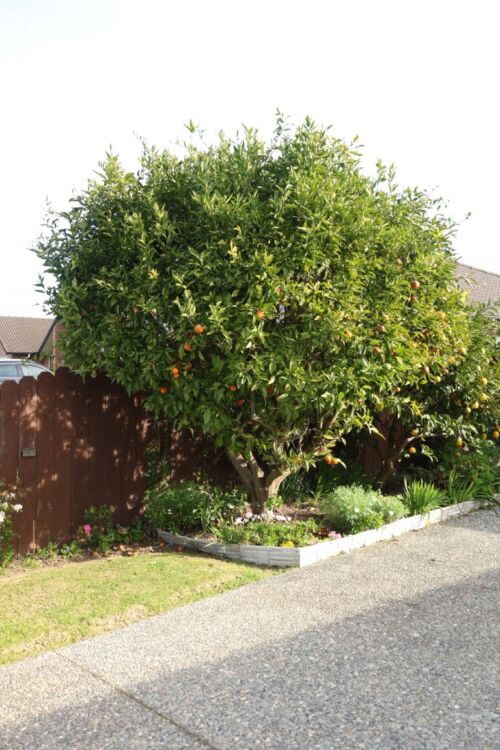
We also stock Larger growing lemon varieties with a more citric taste. These can include Eureka, Lisbon, Yen Ben, and Genoa. Make enquiries as to which varieties we have available now or see our online catalogue.- DESCRIPTION
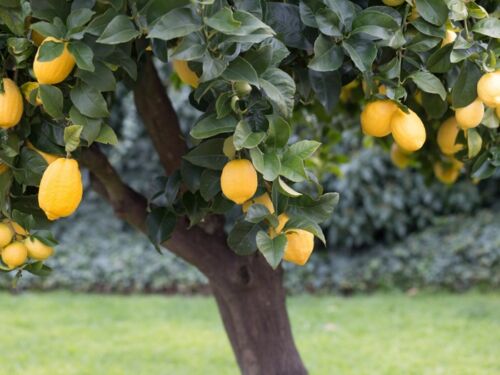
One of the most popular. Low spreading growth habit with few thorns. Large yellow-orange fruit when ripe with smooth skin and lower acid level than other lemon varieties. Very high juice content. Plant in warm sheltered position and rich well- drained moist soil in full sun Feed regularly during growing season and water well in summer. Mulch with well-rotted compost. Good in containers. HARVEST – JUN-AUG Height x Width 2.5 x 2.5 Height Range Small 1-5m Growth Rate Moderate Plant Type Tree Shape / Habit Round Country of Origin China Similar to Consider Other Lemons, Oranges, Mandarins, - LEAF
Leaf Colour Dark Green - FLOWER
Flower Colour White with pink buds Fragrant? Yes - USES
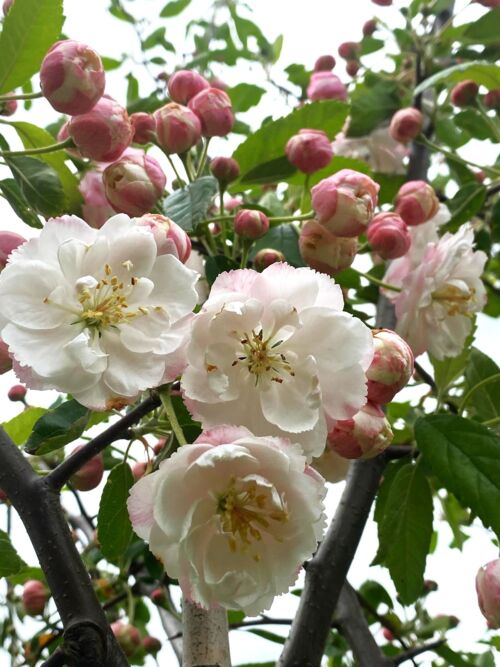
Fruit Producing Yes Small Garden Yes Note: Growth, height and grade information are given in good faith but are subject to natural variables beyond our control. - Malus ioensis 'Plena', also known as Bechtel’s Crabapple, is a compact, deciduous tree with a rounded, spreading form. Its bright green foliage creates a lush summer canopy. As the seasons shift, the leaves transform into a vibrant orange-red, adding a splash of autumn colour to your garden. In spring, this tree truly shines. It bursts into bloom with large, soft pink double flowers that are both fragrant and eye-catching. Although it produces a few yellow-green fruits, they are not edible. However, the real showstopper is undoubtedly the floral display. For best results, plant in a sunny, sheltered spot with moist, well-drained soil. Thanks to its modest size—reaching approximately 4 x 3 metres—it’s ideal for smaller gardens or limited spaces. Interestingly, Malus ioensis 'Plena' was discovered in the mid-1800s by E.A. Bechtel in the Illinois Prairies of the American Midwest. This origin also gives rise to its other common name: Prairie Crabapple.
-
- Description
A smaller growing tree with smaller bright orange fruit. Classic mandarin flavour, which is robust, and sweet. Normally seedless but can produce pips if cross pollinated with other pipped citrus. Smaller growing makes it ideal for a smaller garden or large pot. Harvest over winter apx June to August. Feed in spring and summer with citrus fertilisers to encourage maximum fruiting and flowering. Grows to apx 2 x 1.5m Height x Width 2 x 1.5 Height Range Small 1-5m Growth Rate Moderate Plant Type Tree Shape / Habit Round Country of Origin Algeria, Northern Africa Similar to Consider Orange, Tangelo, Satsuma mandarin, - Leaf
Leaf Colour Dark Green - Flower
Flower Colour White Fragrant? Yes - Uses
Fruit Producing Small Garden Yes Yes Note: Growth, height and grade information are given in good faith but are subject to natural variables beyond our control. - Podocarpus totara ‘Matapouri Blue’ – Blue Totara is a distinctive New Zealand native Totara with a more upright, open pyramidal form. Its striking blue-grey, needle-like foliage adds unique colour and texture to any landscape. This slow-growing evergreen prefers full sun and moist, well-drained soil. It’s hardy and adaptable, making it suitable for a range of garden styles and conditions. Ideal as a specimen tree, it can also be trimmed into a hedge or left to grow as a natural screen. Its elegant structure offers year-round interest. In optimal conditions, Blue Totara can reach approximately 7 x 5 metres at maturity.
- Prunus serrulata 'Shirotae' – Mt Fuji is a Japanese cherry tree that forms a smaller, wide-spreading deciduous canopy. With its tiered horizontal branches, it creates a beautiful silhouette that enhances any landscape. As the seasons change, its vibrant green foliage transforms into a brilliant display of oranges and yellows in autumn. Then, in early spring, the tree becomes a breathtaking spectacle as large, profuse white semi-double flowers blanket the branches, evoking the beauty of freshly fallen snow. Interestingly, the name Shirotae translates from Japanese as “white cloth” or simply “white,” perfectly reflecting the tree’s delicate springtime bloom. For best results, plant in moist, well-drained soil in a sunny position. With a mature size of approximately 6 x 5 metres, it makes a beautiful shade tree and an ideal choice for gardens, courtyards, or feature planting. Whether you're seeking seasonal interest or timeless elegance, 'Shirotae' offers both in abundance.




Why buy online?
Buying plants and trees online doesn’t have to feel risky or impersonal. At Black Bridge Nurseries, we’ve made it simple, safe, and satisfying — so you can shop with confidence, from the comfort of home.