Order Quality Trees Online – Delivered Straight to Your Door
Welcome to Our Online Plant Store
From our nursery to your backyard — it’s never been easier to create the garden you’ve been dreaming of. Whether you’re after statement trees, hedging, or lush planting to fill your outdoor spaces, you can now browse and order directly online.
We provide an extensive range of high-quality plants and trees that are perfect for residential landscapes — all backed by the same expert care and service we’re known for. No trade account needed, no back-and-forth calls. Just beautiful plants, delivered to your door.
Shop by category
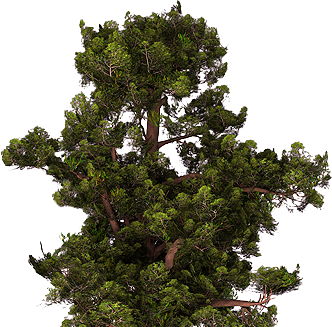
New Zealand Native Trees
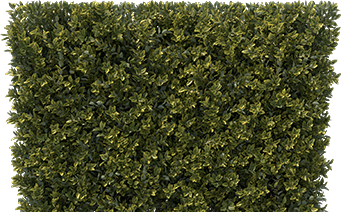
Hedging Plants
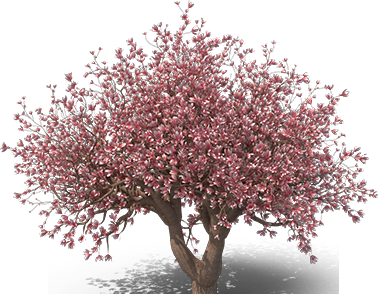
Flowering Trees

Evergreen Exotic Trees
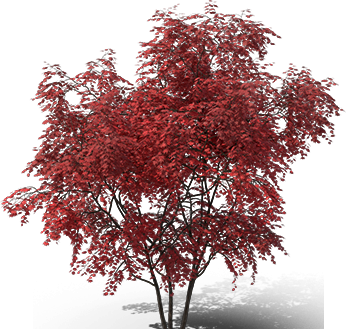
Deciduous trees
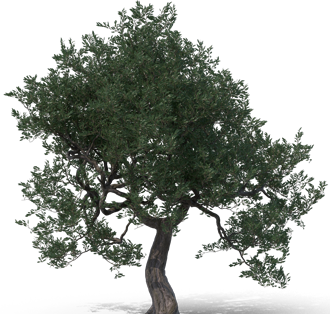
Character Olive Trees
Browse all Trees
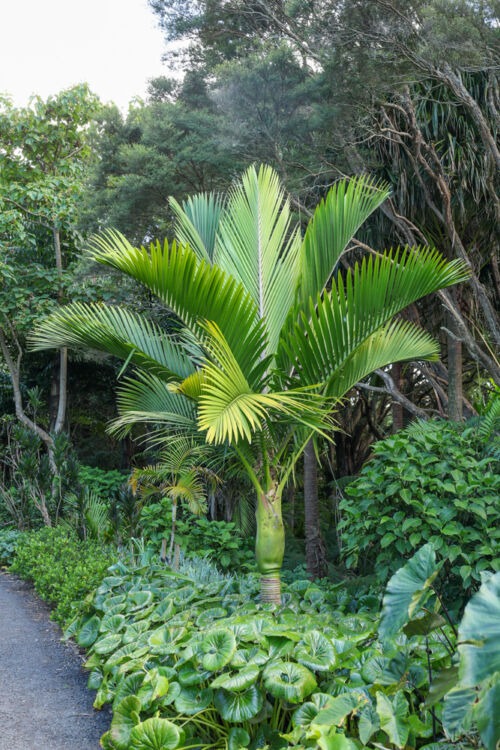
- Rhopalostylis baueri var. cheesemanii – Kermadec Island Nikau Kermadec Island Nikau is a native New Zealand palm from the northern Kermadec Island group. Originating from a warmer climate, it grows noticeably faster than other Nikau varieties. This palm features a more open, umbrella-like form with broader fronds. Each leaflet is slightly spaced, giving the foliage a light, airy appearance that adds a tropical feel to any setting. Over time, it develops a trunk marked with rings from fallen leaves. While young, it prefers a shady position but will tolerate full sun as it matures. It thrives in moist, well-drained soil with a cool root run and benefits from a sheltered location. This makes it ideal for subtropical gardens or protected outdoor spaces. Whether planted as a garden specimen or grown in a large container, it offers year-round appeal. With moderate, slow growth, it can eventually reach up to 10 metres over many years. Cheesemanii is in reference to plants named after the New Zealand botanist Thomas Cheeseman
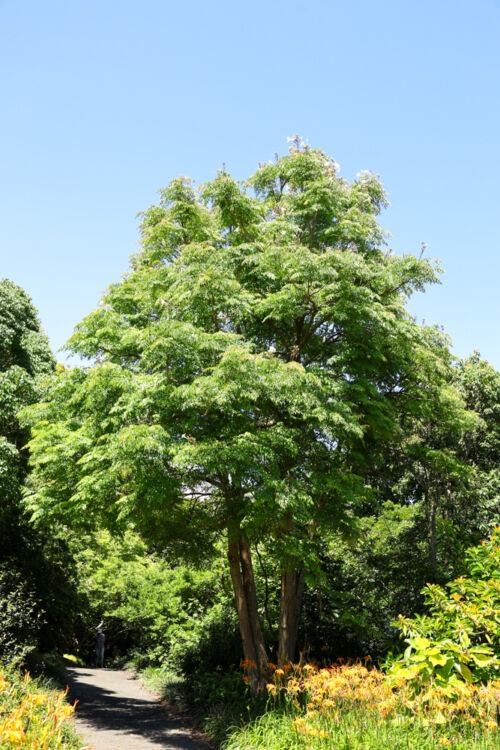
- Radermachera sinica, also known as Canton Lace or China Doll, is a sub tropical, fast growing evergreen tree native to Southern China. It has an open, spreading form and features emerald green bipinnate leaves that reach up to 50 cm. In summer, the tree produces long, white, trumpet shaped flowers that create a striking display. It prefers moist, well drained soil in full sun, and should be kept evenly moist during dry periods for best growth. Because young plants are sensitive to cold, they should be protected from frost. Easily pruned to maintain height or shape, making it ideal for hedging or privacy screens. Additionally, it grows well indoors as a houseplant. A mature Radermachera sinica typically reaches around 8 × 5 metres.
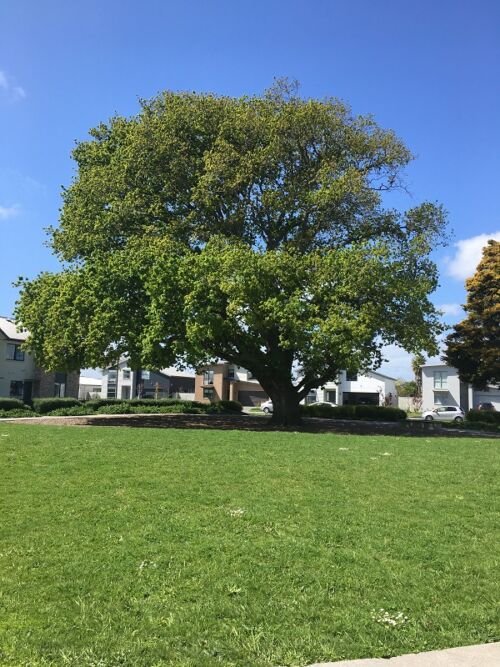
- Quercus robur – English Oak is one of the worlds most recognised trees. It is a deciduous, long‑lived tree native to Europe. It grows into a very large specimen with a broad crown of rugged, open branches. Its dark green leaves turn a clear yellow in autumn, while acorns ripen and fall throughout the season. As it matures, the tree develops short, attractive fissured bark that adds strong visual character. Although it tolerates clay soils, it is best to avoid sites that remain consistently wet. In the Landscape its expansive canopy, it makes an excellent shade tree for parks, reserves, farms, and larger open spaces. The English Oak is also valued for its durable timber. Its heartwood is highly sought after for interior use and quality furniture work. This impressive tree typically reaches around 10 × 6 m in ten years and can surpass 30 m at full maturity. The Latin word robur refers to hardwood, especially oak, and conveys strength, firmness, power, and resilience.
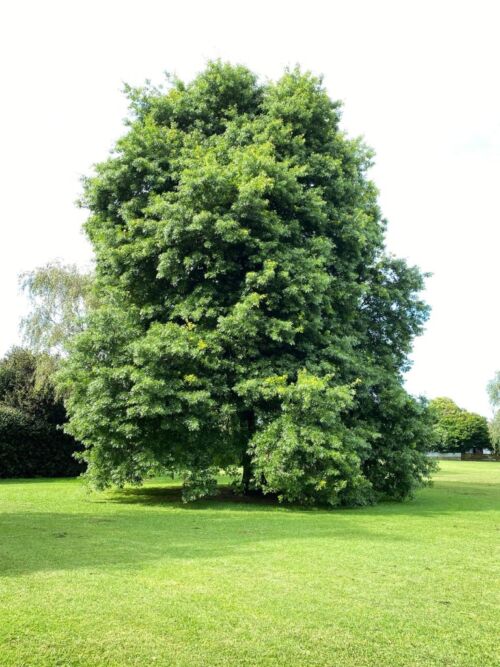
- Quercus robur ‘Fastigiata’ – Upright English Oak is a deciduous, narrow-upright form of the classic English Oak. Its strongly vertical branches hold dark green leaves that turn a warm yellow in autumn. Acorns develop through the season and fall in late autumn. As the tree matures, it gradually shifts from a strict columnar shape to a more pyramidal form. It tolerates clay soils; however, you should avoid planting it in areas that remain overly wet. Because of its tidy structure, it works extremely well for avenue plantings and for compact residential or commercial spaces. It typically reaches around 8 × 3 m in ten years and may grow to 20 × 4 m at full maturity. The name robur in Latin refers to hardwood—especially oak—and also conveys strength, firmness, power, and resilience.
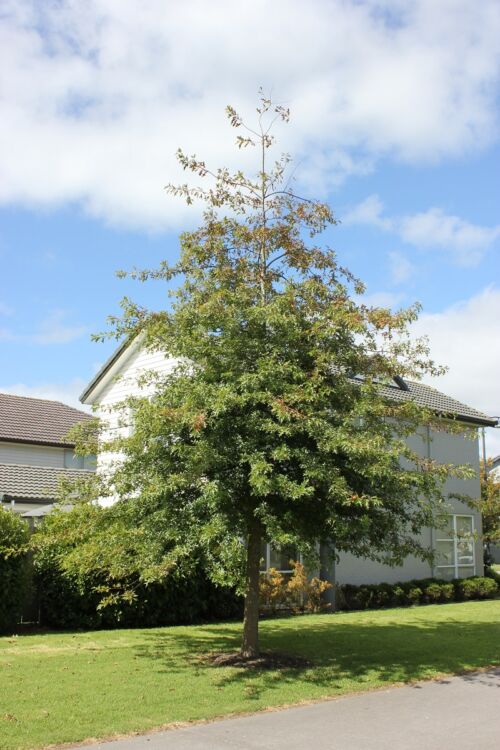
- Quercus palustris – Pin Oak (Swamp Oak) is a deciduous tree native to North America, known for its pyramidal growth habit and distinctive brownish-grey bark. Its deeply cut, glossy green leaves provide lush summer foliage, which eventually transforms into a brilliant scarlet red display in autumn. Notably, the lower branches tend to droop toward the ground, adding architectural interest to its form. The Latin name palustris translates to “of marshland” or “of swamps,” reflecting its natural preference for moist to wet, acidic soil conditions. Pin Oaks tolerate damp to wet environments and thrives best in full sun. In ideal conditions, it can reach approximately 8 x 6 metres within 10 years and may grow to over 20 metres at full maturity—making it an excellent choice for large landscapes or as a commanding shade tree. Whether you're planting in parklands, spacious gardens, or wetland edges, Quercus palustris offers seasonal beauty and structural elegance.
- Quercus coccinea – Scarlet Oak is a majestic deciduous tree that forms a large, stately specimen characterized by an oval crown and upward-reaching branches. Its glossy green, deeply lobed leaves create a lush summer canopy, while in autumn they transform into a brilliant display of scarlet red, which offers exceptional seasonal colour. In addition to its foliage, the bark develops a reddish-brown tinge during winter, adding subtle interest even in the colder months. Native to North America, this oak variety is well-suited to a range of climates. Once established, Scarlet Oak tolerates dry conditions, although it prefers moist, free-draining soil for optimal growth. With its impressive size, reaching approximately 15 x 10 metres in ideal conditions, it makes an outstanding specimen tree or a grand shade tree for larger landscapes. Whether you're designing a parkland setting or enhancing a spacious garden, Quercus coccinea brings structure, beauty, and seasonal interest to any outdoor space.
- Pyrus calleryana ‘Aristocrat’, also known as the Callery Pear, is a deciduous tree with a pyramidal shape and origins in China. Its dense, upright branching supports glossy dark green foliage throughout summer, which transforms into vibrant shades of red, orange, and maroon in autumn. In early spring, the tree produces a stunning display of white blossoms, adding ornamental value to any landscape. This adaptable tree can be trained into standards and is well-suited for small gardens, street plantings, or mass landscaping projects. It tolerates poor drainage but performs best in moist, well-drained soils. Growing to approximately 7 metres tall and 4 metres wide, Aristocrat is an excellent choice as a shade tree or for formal avenue planting, offering year-round interest and structure.
- Pseudopanax lessonii – Houpara is an evergreen New Zealand native that grows as a multi-branched shrub or small tree. Fast-growing, it features fleshy, palmate-shaped dark green leaves with three to five leaflets, creating a lush and tropical look. From December to February, small green flowers appear, followed by dark purple fleshy fruit. These fruits attract birds, adding life and movement to the garden throughout the year. Houpara can be left to grow as a small shade tree. Alternatively, it trims well into a hedge or can be clipped to form a larger screen, offering versatility in garden design. This hardy species is ideal for coastal gardens as it withstands salt-laden winds. It prefers moist, well-drained soil in full sun or partial shade and tolerates clay soils, though not waterlogged conditions. Growing to approximately 4 x 2.5 metres, Houpara makes an excellent choice for structured planting and year-round greenery.
- Pseudopanax ferox – Savage Lancewood (Horoeka) is an unusual New Zealand native, closely resembling Pseudopanax crassifolium. In its juvenile stage, it grows with a single thin stem and long, slender pale grey-brown leaves. These leaves feature distinctive saw-like teeth along the edges, giving the plant a striking appearance. After 10–15 years, the tree reaches maturity. At this stage, the leaves become shorter, wider, and dark green. Its form changes into a more typical tree shape, with spreading branches that build a rounded crown. In ideal conditions, Savage Lancewood can reach around 6 metres in height with a trunk up to 25 cm in diameter. The mature trunk develops distinctive vertical grooves, sometimes twisting slightly, adding further character. This species prefers well-drained soil and tolerates drier conditions once established. It grows best in full sun, slowly reaching approximately 6 x 1 metres over many years. Perfect as a statement specimen, it adds drama and uniqueness to any garden.
- Pseudopanax ‘Cyril Watson’ is an evergreen shrub native to New Zealand. This unusual cultivar stands out with glossy tropical leaves shaped like a duck’s foot, adding a distinct touch to any garden. Moreover, its compact, bushy habit makes it highly popular. Gardeners often use it as a neatly trimmed hedge or clip it into a larger screen, creating structure and style with ease. In addition, Pseudopanax ‘Cyril Watson’ prefers fertile, moist, and well-drained soil. It thrives in full sun to partial shade, while tolerating coastal conditions and moderate frost once established. It was first discovered by Cyril Watson in 1965 on the slopes of Mt. Taranaki in the North Island of New Zealand. The plant was named in honour of Watson, who was a renowned botanist and naturalist. Growing to approximately 3 x 2 metres, it offers both resilience and beauty
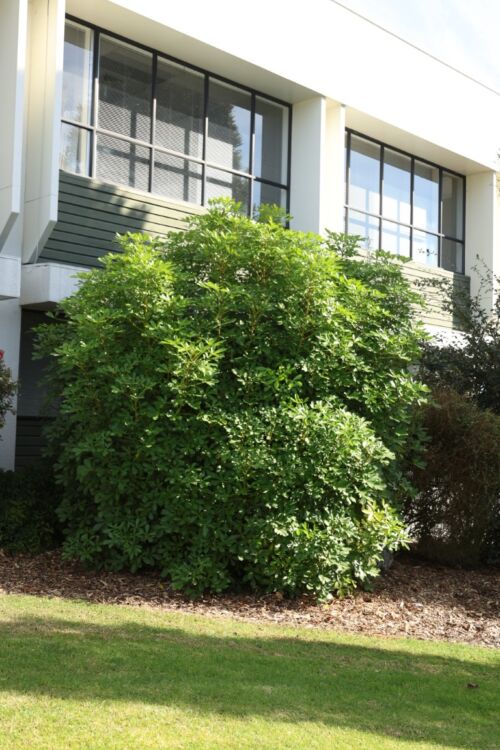
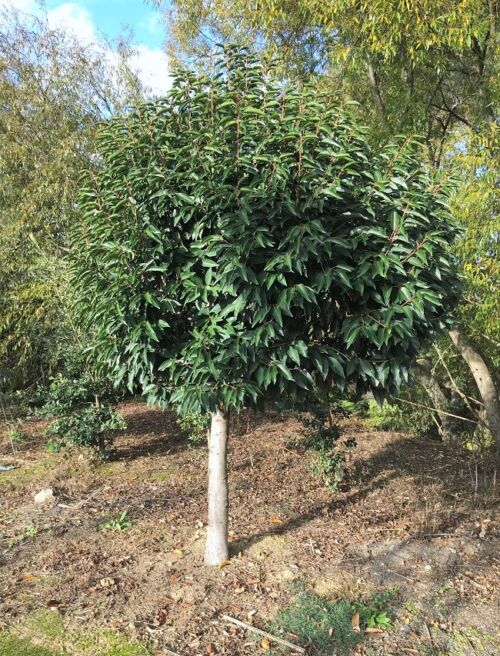
- Prunus lusitanica - Portuguese Laurel, is a versatile evergreen shrub or small tree with dark, glossy green oval leaves. Native to Western Europe, including regions of France, Spain, Portugal, and Morocco, it brings both structure and elegance to garden landscapes. In late spring to summer, it produces white flowers with a subtle hawthorn-like scent, arranged in long, slender racemes. These are soon followed by small fruits, adding further seasonal interest. Moreover, this plant thrives in moist, well-drained soils, though it will not tolerate waterlogged conditions. Therefore, it’s best planted in a sunny, sheltered position to ensure healthy growth. Thanks to its dense foliage and upright habit, Portuguese Laurel is excellent for trimming into formal hedges or shaping into a clipped screen. Additionally, it can be trained as a pleached hedge or sculpted into topiary forms, offering flexibility for both traditional and contemporary garden designs. Typically growing to approximately 5 x 4 metres, it makes a bold yet refined statement in any outdoor space. The name lusitanica refers to Lusitania, the ancient Roman name for Portugal, highlighting its rich heritage.
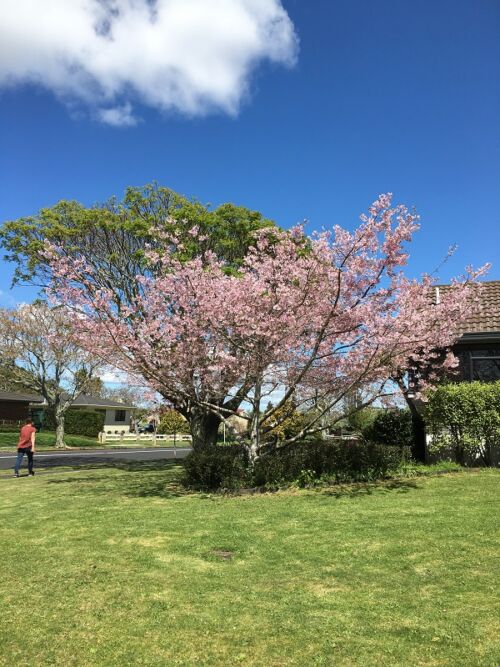
- Prunus yedoensis 'Awanui', the Awanui Cherry is a beloved New Zealand-bred flowering cherry, tracing its heritage back to Japan. Renowned for its elegant vase-shaped form and vigorous growth, this ornamental tree features gracefully spreading branches adorned with lush green foliage. In early spring, the tree bursts into a breath taking display of large, single shell-pink blossoms that blanket the branches in soft, pastel clouds. As the seasons shift, its leaves transform into a vibrant tapestry of golden yellow and warm orange hues. Prefers moist well drained soil in full sun. Plant in full sun for maximum health. Perfect as a specimen tree, for light shade, or as a standout feature in smaller gardens, the Awanui Cherry typically reaches around 6 metres tall and wide, making it both manageable and magnificent!
- 6 x 6m
- Oranges and Yellows




Why buy online?
Buying plants and trees online doesn’t have to feel risky or impersonal. At Black Bridge Nurseries, we’ve made it simple, safe, and satisfying — so you can shop with confidence, from the comfort of home.