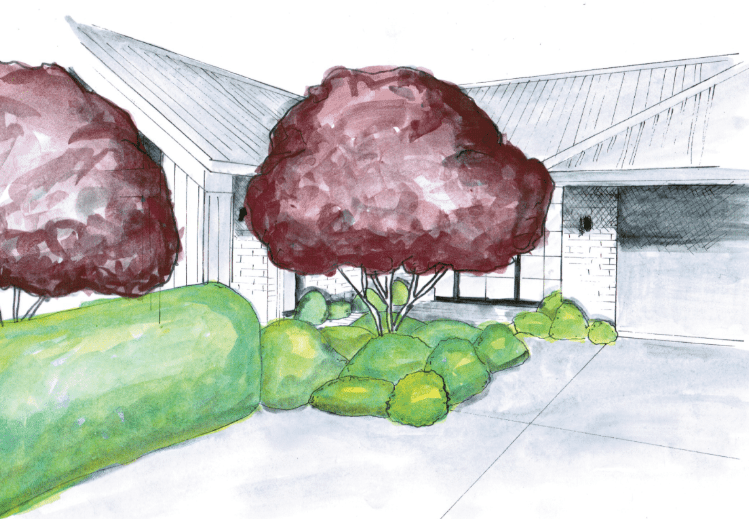
Order Quality Trees Online – Delivered Straight to Your Door
Welcome to Our Online Plant Store
From our nursery to your backyard — it’s never been easier to create the garden you’ve been dreaming of. Whether you’re after statement trees, hedging, or lush planting to fill your outdoor spaces, you can now browse and order directly online.
We provide an extensive range of high-quality plants and trees that are perfect for residential landscapes — all backed by the same expert care and service we’re known for. No trade account needed, no back-and-forth calls. Just beautiful plants, delivered to your door.
Shop by category
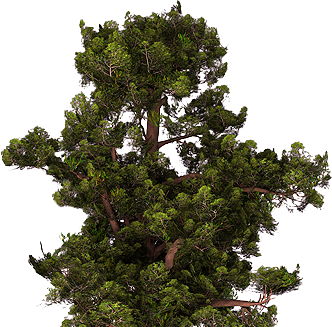
New Zealand Native Trees
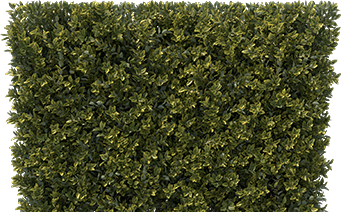
Hedging Plants
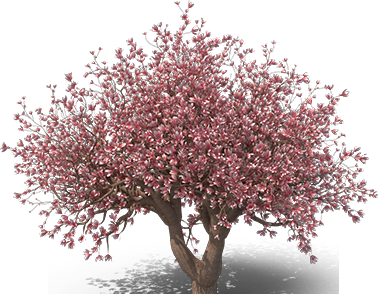
Flowering Trees

Evergreen Exotic Trees
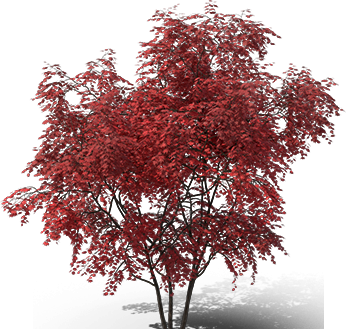
Deciduous trees
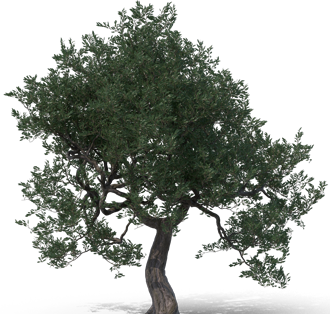
Character Olive Trees
Browse all Trees
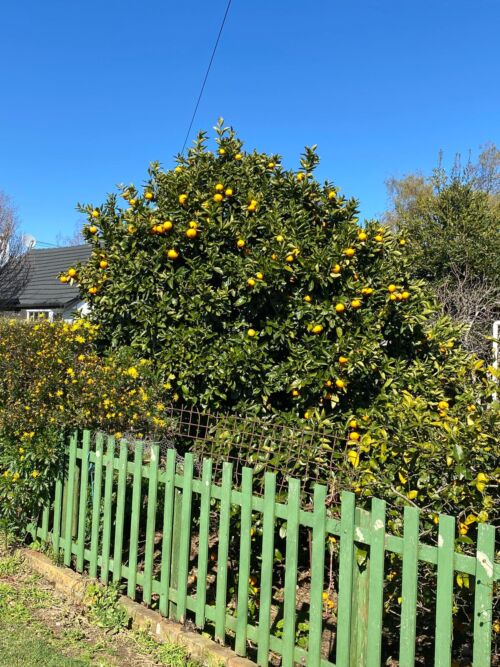
- Orange ‘Parent Navel’ (Citrus sinensis) is the original navel orange variety that was developed in California. A moderately vigorous tree with a rounded growth habit. It produces large, sweet, seedless and easy to peel oranges. A heavy producer, so requires regular fertiliser over the fruit growing months. Harvest is later in winter from apx August onwards.
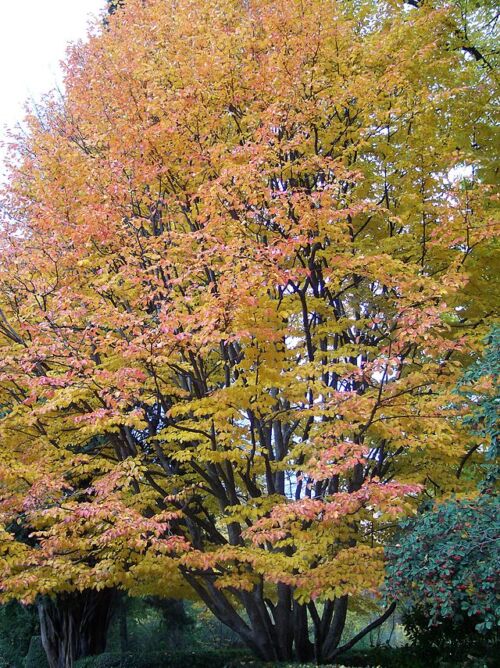
- Parrotia persica – Persian Ironwood is a compact, deciduous tree known for its exceptional autumn colour. Originating from Iran, it’s considered one of the finest small trees for seasonal interest. The botanical term persica refers to its Persian roots, highlighting its natural heritage. This slow-growing, broad-spreading tree often develops multiple stems and features attractive, flaking bark. Its dark green leaves shift dramatically in autumn, turning vivid shades of yellow, orange, rosy pink, and scarlet. In late winter to early spring, clusters of unusual red flowers appear on bare twigs, adding early-season charm. Persian Ironwood tolerates clay soils, though it’s best to avoid overly wet conditions. With a mature size of approximately 8 meters tall and 6 meters wide, it makes an excellent specimen tree.
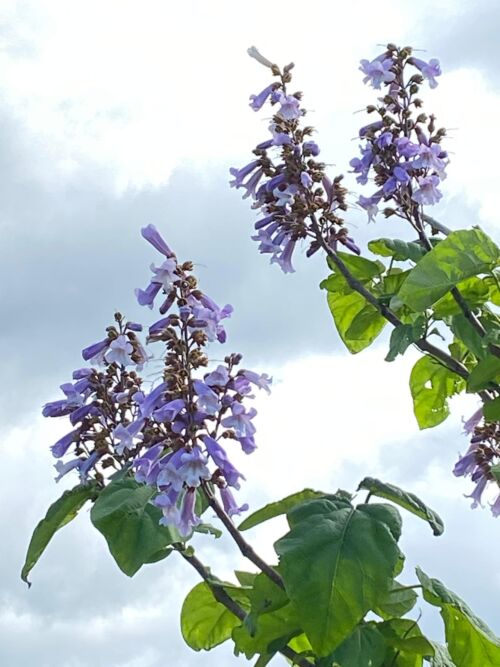
- Paulownia tomentosa ‘Princess Tree’, also known as the Empress Tree, is a fast-growing, broad-spreading deciduous tree that instantly adds a tropical feel to any garden. Thanks to its vigorous growth and lush form, it quickly becomes a focal point in both formal and informal landscapes. Its exceptionally large, soft green leaves form a dramatic canopy, making it an excellent choice for shade. Then, in spring, it bursts into bloom with fragrant violet-blue flowers featuring delicate white centres. These stunning blossoms add vibrant colour and a sweet scent, enhancing the overall garden experience. Although it prefers moist, well-drained soil in a sunny, sheltered position, it will also tolerate mild coastal conditions. This adaptability makes it suitable for a wide range of environments. Native to China and South Korea, this majestic tree typically reaches around 8 metres in height and 6 metres in width. As a result, it stands out beautifully in both small and large garden spaces.
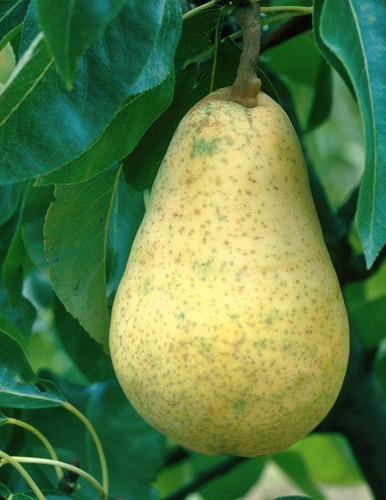
- Pear ‘ Williams Bon Chretien’ (Pyrus communis) is a large long necked, green- yellow fruit, that is ideal for eating and bottling. Harvest is apx Feb March. Branches are more horizontal making it an excellent choice for espaliering. Also known as the Bartlett pear. HERITAGE Pollinators: Beurre Bosc Winter Nelis, Conference, Doyenne du Comice.
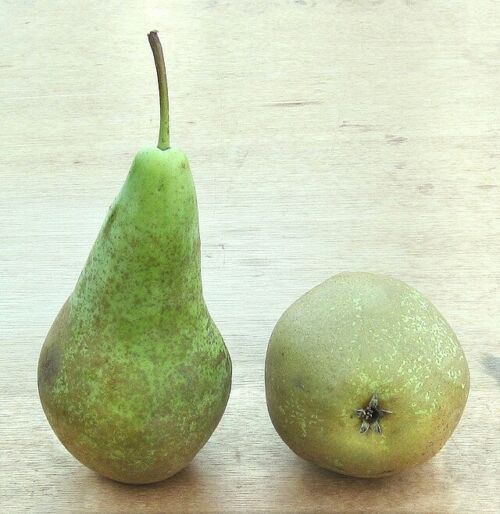
- a { text-decoration: none; color: #464feb; } tr th, tr td { border: 1px solid #e6e6e6; } tr th { background-color: #f5f5f5; }Pear ‘Conference’ (Pyrus communis) is a heritage deciduous fruit tree that originated in England. It shows a strong, upright growth habit, often appearing dense and naturally columnar. Because it grows taller than it does wide, it fits well into many garden spaces. The fruit has a classic long neck, green skin with light russeting, and a juicy, sweet flavour. Trees grow best in full sun and benefit from shelter from strong winds. They also prefer deep, fertile, well‑drained soil. The name ‘Conference’ comes from the National British Pear Conference held in London in 1885, where the variety won first prize. It is partially self‑fertile and typically harvests around March to April. Reaching approximately 4 × 3 metres, it makes an ideal addition to home orchards and gardens.
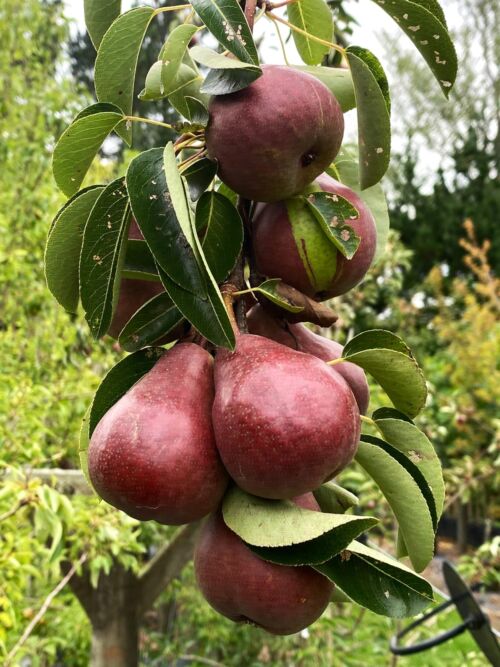
- Pear Red Bartlett’ is a compact, deciduous fruit tree from the USA. In spring, upright branches carry glossy green leaves and an abundance of white blossom. Then, medium‑to‑large purple‑red fruit form through summer, ripening for harvest in March–April. You can enjoy this versatile pear fresh, preserved, baked, or poached.Moreover, ‘Red Bartlett’ thrives in full sun and moist, well‑drained soil, which improves cropping and ripening. Recommended pollinators include Conference, Doyenne du Comice, Packhams, and Winter Nelis. Finally, it grows to around 4 × 3 metres, so it suits smaller gardens beautifully.
- Pear ‘Winter Cole’ (Pyrus communis) is a vigorous yet compact deciduous tree originating from Australia. Its upright, spreading branches carry fresh green leaves through summer, which then shift to warm yellows and oranges in autumn. In spring, the tree bursts into masses of white blossom, creating a striking display.By late autumn, you can harvest its green, lightly russeted fruit. The pears have juicy, sweet, richly flavored white flesh. They also store exceptionally well, making them ideal for winter eating. As a reliable and prolific cropper, ‘Winter Cole’ suits both beginners and experienced growers. Reaching approximately 4 × 3 metres, this heritage variety is perfect for smaller gardens. It thrives in full sun and moist, well‑drained soil, which helps improve cropping and ripening. Its long cultivation history reflects its enduring quality and charm.
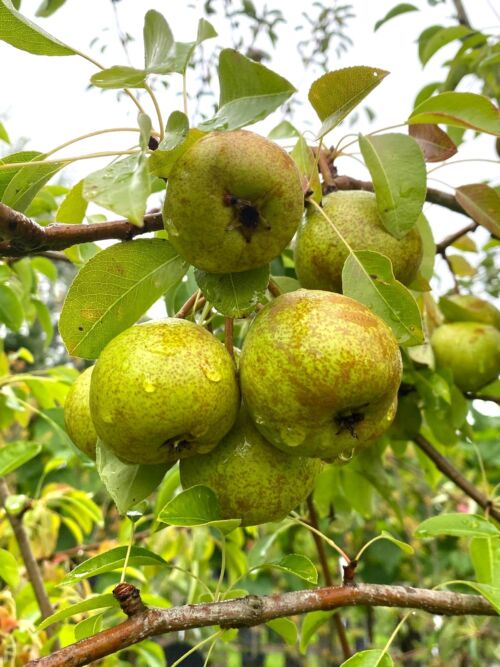
- A very good late eating pear with excellent storage. Small green fruit with reddish russet patches and buttery, rich flavoured flesh. Very hardy, but best in a warm site. Harvest apx April May. Pollinators: Beurre Bosc, William Bon Chretien. HERITAGE
- Persimmon ‘Fuyu’ is a deciduous, small, round, spreading tree with large glossy green leaves. In autumn, the foliage transforms into vibrant shades of red, orange, and yellow, creating a striking seasonal display. ‘Fuyu’ is the most popular commercial variety grown. Its medium to large, deep orange fruit is non-astringent, sweet, and of excellent quality. Harvest typically occurs from May to July. The fruit can be eaten fresh like an apple, sliced, dried, or made into jam and chutney. Persimmons prefer moist yet well-drained soil and perform best in full sun. Furthermore, ‘Fuyu’ is self-fertile, making it easy to grow. This variety reaches approximately 5m tall by 4m wide, forming a compact and productive tree. The ‘Fuyu’ persimmon is a Japanese cultivar that originated in China before being introduced to Japan, where it was widely cultivated and admired.
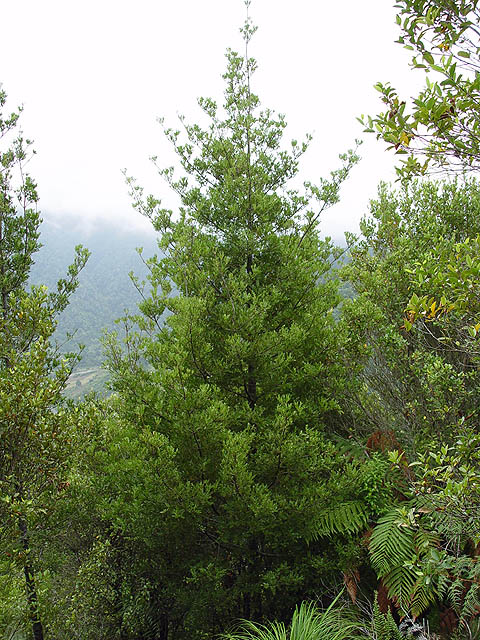
- Phyllocladus trichomanoides, also known as Tanekaha or Celery Pine, is a striking evergreen tree native to New Zealand. Its upright, pyramidal form and distinctive celery-like foliage make it a standout in any landscape. The tree features a straight, tapering trunk with smooth, light grey bark. Its rising branches add structure and elegance to gardens and natural settings. Tanekaha grows moderately fast and prefers moist, well-drained soil in full sun. It thrives in temperate to subtropical climates, making it a versatile choice for many regions. Typically, it reaches around 8 x 4 meters within 10 years. However, under ideal conditions, it can grow up to 20 meters tall, offering both shade and visual impact.
- Pinus pinea – Italian Stone Pine is an evergreen tree celebrated for its edible pine nuts. This striking ornamental species displays long, slender needles typical of pines, adding texture and elegance to any landscape. With its distinctive growth habit, the Italian Stone Pine forms a stout, bushy globe. Over time, it develops a thick trunk and numerous branches that create its signature dense, rounded, and flattened crown. Well-suited to sandy soils, this tree tolerates both wind and coastal conditions. Pine nuts ripen in autumn, offering a seasonal culinary delight. Also suitable as a shade tree. Mature trees typically reach around 8 x 5 metres. However, they can be trimmed to maintain shape and height, making them versatile for gardens, avenues, or larger landscapes.
- Pinus thunbergii – Japanese Black Pine is an attractive evergreen species that develops into a broad, conical tree. Its stout, twisted branches spread with maturity, creating a striking silhouette. Winter buds are sharply pointed and silky, shifting from silvery white to deep green as the seasons progress. This pine thrives in well-drained soils including sandy and prefers full sun with moderate temperatures. Moreover, it is highly tolerant of salt and drought, making it an excellent choice for coastal planting and exposed conditions. Growing to approximately 10 x 4 metres, Japanese Black Pine is especially popular in Japanese-style gardens. Its resilience and distinctive form make it a valued specimen for both traditional and modern landscapes.



Why buy online?
Buying plants and trees online doesn’t have to feel risky or impersonal. At Black Bridge Nurseries, we’ve made it simple, safe, and satisfying — so you can shop with confidence, from the comfort of home.