CALL US:  0800 223 313  |  FOLLOW US:

bbn new logo
Buy Trees Online2025-10-15T00:11:16+12:00

Order Quality Trees Online – Delivered Straight to Your Door

Welcome to Our Online Plant Store

From our nursery to your backyard — it’s never been easier to create the garden you’ve been dreaming of. Whether you’re after statement trees, hedging, or lush planting to fill your outdoor spaces, you can now browse and order directly online.

We provide an extensive range of high-quality plants and trees that are perfect for residential landscapes — all backed by the same expert care and service we’re known for. No trade account needed, no back-and-forth calls. Just beautiful plants, delivered to your door.

Shop by category
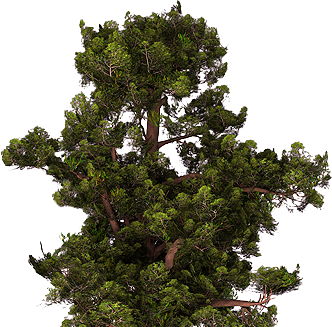
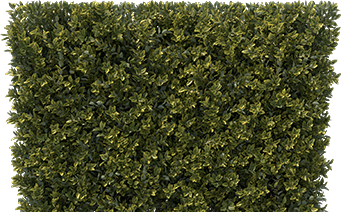
  • New Zealand Native Trees

  • Hedging Plants

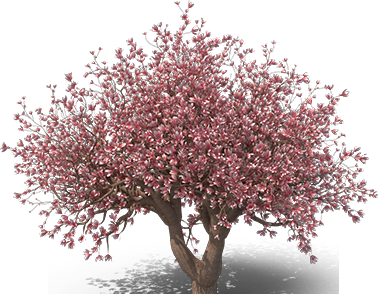
  • Flowering Trees

  • Evergreen Exotic Trees

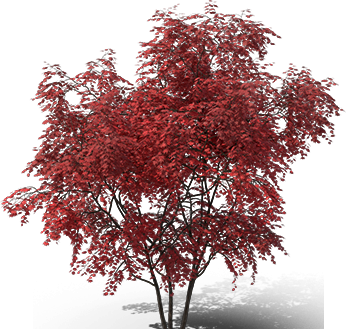
  • Deciduous trees

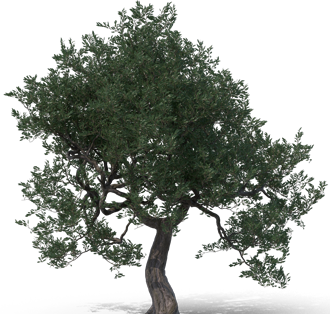
  • Character Olive Trees

Browse all Trees

  • Prunus serrulata ‘Pink Perfection’ pink fluffy spring flowers
    Select options This product has multiple variants. The options may be chosen on the product page / Details Quick View
    Prunus serrulata ‘Pink Perfection’ is a graceful, deciduous Japanese flowering cherry tree with an elegant upright, vase-like form. Originally selected in the United Kingdom, this ornamental tree offers year-round appeal. Throughout the seasons, its lush green foliage transforms into a breathtaking autumn display of golden yellow, fiery orange, and rich crimson red. Then, as spring arrives, deep pink buds burst into double blossoms of rosy pink which gradually fade to a delicate soft pink, creating a stunning floral show. Ideally, it thrives in moist, well-drained soil and prefers a sunny position. Because of its compact size, growing to approximately 5 x 4 metres, it’s a superb choice for lining avenues, framing pathways, or adding charm to more intimate garden spaces. Whether you're designing a formal landscape or a tranquil retreat, ‘Pink Perfection’ brings elegance, seasonal interest, and timeless beauty to any outdoor setting.
    • Height x Width: 5 x 4m
    • Height Range: Medium 5-10m
    • Growth Rate: Moderate
    • Plant Type: Tree
    • Shape / Habit: Vase - Upright
    • Deciduous / Evergreen: Deciduous
    • Country of Origin: United Kingdom. (Parentage China)
    • Similar to Consider: Other Flowering Cherries, Pyrus Aristocrat or Bradford, Amelanchier canadensis,
    • Leaf Colour: Green
    • Leaf Autumn Colour: Reds, Oranges and Yellows
    • Flower Colour: Dark pink fading to soft pink
    • Soil Conditions: Moist well drained
    • Climate Conditions: Prefers sheltered
    • Uses: Feature, Shade Tree, Avenue, Small Garden
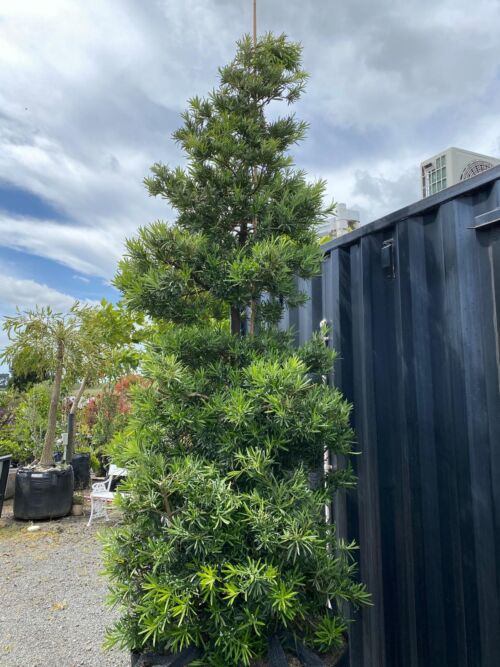
  • Podocarpus macrophyllus – Japanese Yew Pine small tree in a carpark area
    Select options This product has multiple variants. The options may be chosen on the product page / Details Quick View
    Podocarpus macrophyllus – Japanese Yew Pine generally grows upright with a narrow or pyramidal habit when young. Over time, it matures into a broader form if left untrimmed, creating a graceful and structured presence in the garden. Its long, narrow foliage is rich green which makes it a striking focal point and provides year-round appeal. Moreover, this species tolerates a wide range of soils, provided they are moist yet free-draining, though it resents waterlogging. Japanese Yew Pine grows best in full sun and is easily trimmed. Because it is slow growing, it requires little maintenance, making it an excellent hedge or screen. Growing slowly to approximately 6 x 4 metres in ten years, this tree offers both resilience and elegance. The Podocarp family also includes New Zealand’s native Podocarpus totara.
    • Height x Width: 6 x 4m 10yr
    • Height Range: Medium 5-10m
    • Growth Rate: Slow
    • Plant Type: Tree
    • Shape / Habit: Pyramidal
    • Deciduous / Evergreen: Evergreen
    • Country of Origin: South East Asia
    • Similar to Consider: Podocarpus totara, Podocarpus gracilor, Podocarpus totara Aurea, Podocarpus totara Black Bridge, Podocarpus Totara Ardmore Green
    • Leaf Colour: Green
    • Soil Conditions: Moist well drained
    • Climate Conditions: Prefers growing in Full Sun
    • Uses: Feature, Screening, Hedging, Small Garden
  • Prunus subhirtella ‘Pendula Rosea’ green weeping summer foliage
    Select options This product has multiple variants. The options may be chosen on the product page / Details Quick View
    Prunus subhirtella ‘Pendula Rosea’ is a deciduous weeping cherry that brings elegance and seasonal beauty to any landscape. Typically grafted onto a clear stem, its slender, arching branches cascade downward, gradually forming a stunning fountain-like silhouette. During summer, the tree is cloaked in lush green foliage, which transitions into warm shades of yellow and orange as autumn arrives. By mid-spring, deep pink buds burst open into delicate single pink flowers, creating a soft display against the bare branches. Thriving in moist, well-drained soil, this cherry prefers a sunny, sheltered position to protect its fine blossoms and foliage. Because of its compact size and graceful form, ‘Pendula Rosea’ makes an excellent feature tree for smaller gardens, courtyards, or decorative planting schemes. Whether you're designing a tranquil retreat or adding seasonal interest to a limited space, this weeping cherry offers charm, colour, and structure all year round.
    Height x Width: Determined by graft x 3.0m wide
    • Height Range: Small 1-5m
    • Growth Rate: Moderate
    • Plant Type: Tree
    • Shape / Habit: Weeping
    • Deciduous / Evergreen: Deciduous
    • Country of Origin: Japan
    • Similar to Consider: Prunus Falling snow, Morus alba ‘Pendula’
    • Leaf Colour: Green
    • Leaf Autumn Colour: Oranges and Yellows
    • Flower Colour: Pink
    • Soil Conditions: Moist well drained
    • Climate Conditions: Prefers sheltered
    • Uses: Feature, Small Garden
  • Fagus sylvatica ‘Dawyck’ - Columnar English Beech narrow upright tree in green summer leaf
    Select options This product has multiple variants. The options may be chosen on the product page / Details Quick View
    Fagus sylvatica 'Dawyck' is a tall, columnar deciduous tree with a distinctly upright habit and moderate growth rate. Over time, its narrow form broadens, adding architectural style to any landscape. In early spring, its vertical branches are cloaked in bright glossy green leaves. As the seasons shift, the foliage transforms into a warm cinnamon brown over autumn. Thanks to its slender profile, 'Dawyck' is ideal for planting where space is limited—whether beside pathways, framing entrances, or standing as bold vertical accents. With origins in Scotland, it brings both heritage and sophistication to gardens and urban settings alike. Typically reaching around 8.0m in height and 2.5m in width, this beech variety is a standout specimen for structured planting schemes or formal avenues.
    • Height x Width: 8 x 2.5m
    • Height Range: Medium 5-10m
    • Growth Rate: Moderate
    • Plant Type: Tree
    • Shape / Habit: Columnar
    • Deciduous / Evergreen: Deciduous
    • Country of Origin: Scotland
    • Similar to Consider: Acer Bowhall, Liriodendron fastigiata, Carpinus betulus fastigiata, Rewarewa,
    • Leaf Colour: Green
    • Leaf Autumn Colour: Yellow
    • Soil Conditions: Moist well drained
    • Climate Conditions: Prefers sheltered
    • Uses: Feature, Small Garden, Avenue
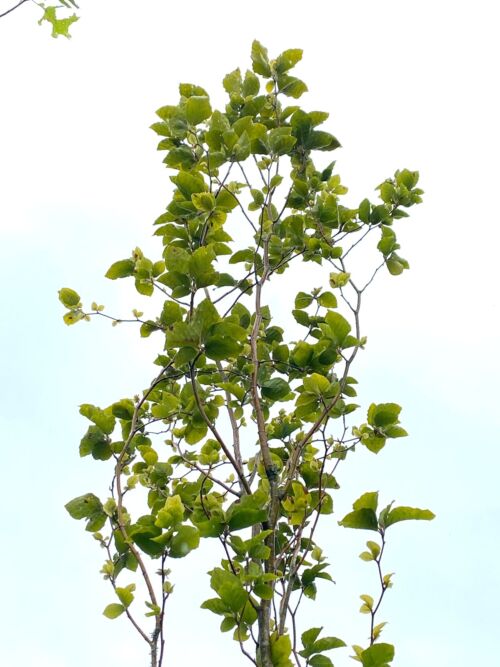
  • Amelanchier canadensis - Shad Bush tree in summer in Auckland Botanical Gardens
    Select options This product has multiple variants. The options may be chosen on the product page / Details Quick View
    Amelanchier canadensis, commonly known as Shad Bush, is a compact, round-headed shrub or small tree with a dense habit. During summer, its green foliage provides a lush backdrop. Then, as autumn arrives, it bursts into vibrant shades of orange, red, and yellow, creating a striking seasonal display. In early spring, delicate starry white flowers appear, adding charm and contrast. Shortly after, sweet blue-black berries develop, which attract birds and enhance biodiversity in your garden. Moreover, this tree tolerates damp conditions and thrives in sun or semi-shade. Although it handles clay soil well, it’s best to avoid overly wet spots. For added versatility, you can train it into a single-stem tree form. With a mature size of approximately 4 x 4 metres, it’s an excellent choice for smaller gardens or damp areas needing a lift. Interestingly, its Latin name “canadensis” reflects its North American origin, meaning “of Canada.”
    • Height x Width: 4 x 4m
    • Height Range: Small 1-5m
    • Growth Rate: Moderate
    • Plant Type: Tree
    • Shape / Habit: Round
    • Deciduous / Evergreen: Deciduous
    • Country of Origin: North America
    • Similar to Consider: Pyrus Aristocrat or Bradford, Prunus Shirotae, Nyssa sylvatica, Parrotia persica
    • Leaf Colour: Green
    • Leaf Autumn Colour: Red, Orange, Yellow
    • Flower Colour: White
    • Flower Fragrant? No
    • Soil Conditions: Tolerates damp, Tolerates Clay
    • Climate Conditions: Tolerates Wind
    • Uses: Bird feeding, Small Garden
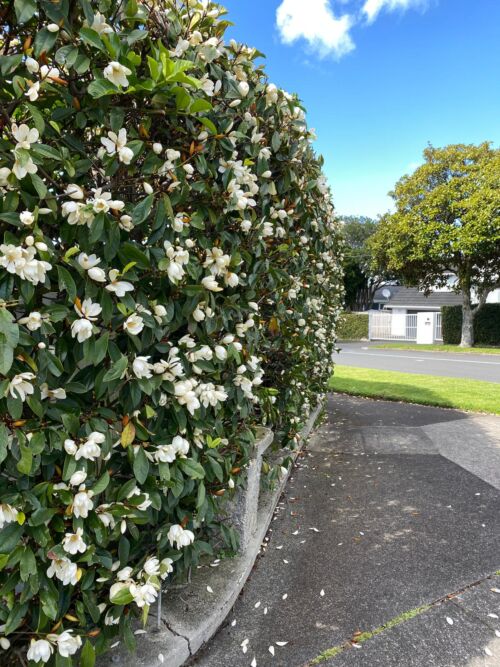
  • Michelia 'Inspiration' trimmed hedge in flower
    Select options This product has multiple variants. The options may be chosen on the product page / Details Quick View

    Michelia ‘Inspiration’

    Retail Price:
    $816.00
    Michelia ‘Inspiration’ is a smaller evergreen tree with an pyramidal growth habit. Its shiny, long dark-green leaves form a lush backdrop, while velvet-brown buds open to porcelain-white, star-shaped flowers. These blooms appear from early spring over many weeks, releasing a wonderful fragrance. Originating in Lyttelton, New Zealand, this cultivar thrives in moist, well-drained, slightly acidic soil. It prefers full sun to partial shade and adapts well to subtropical or temperate climates. Fast-growing and frost tolerant, Michelia ‘Inspiration’ trims easily to create larger screening. Reaching approximately 4 x 3 metres, Inspiration is easily trimmed to shape and height making it suitable for smaller gardens, offering both beauty and structure throughout the year
    • Height x Width: 4 x 3m
    • Height Range: Small 1-5m
    • Growth Rate: Fast
    • Plant Type: Tree
    • Shape / Habit: Pyramidal
    • Deciduous / Evergreen: Evergreen
    • Country of Origin: New Zealand
    • Similar to Consider: Michelia Gracipies, Magnolia Little Gem. Magnolia Kay Pariss Michelia Bubbles
    • Leaf Colour: Green
    • Flower Colour: White
    • Flower Fragrant? Yes
    • Soil Conditions: Moist well drained
    • Climate Conditions: Prefers sheltered
    • Uses: Screening, Small Garden,
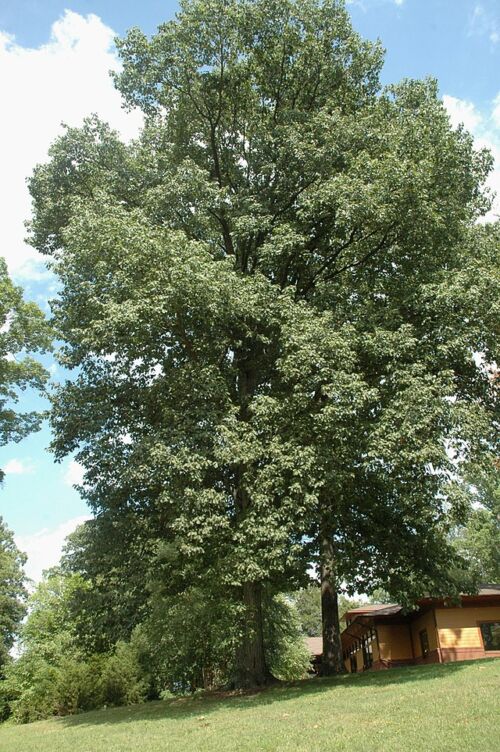
  • Quercus rubra - Northern Red Oak tree in summer
    Select options This product has multiple variants. The options may be chosen on the product page / Details Quick View
    Quercus rubra, commonly known as Northern Red Oak, is a deciduous tree native to North America. It forms a large, impressive specimen with broad, spreading branches. In spring, new leaves emerge a deep, rich red before turning vibrant green through summer.
    As autumn arrives, the foliage shifts to striking shades of dark red and orange. This tree thrives in full sun and grows best in deep, well‑drained, slightly acidic loam. However, it also adapts well to clay, sandy, and urban soils. Although tolerant of varied conditions, it prefers consistent moisture and dislikes prolonged flooding. Northern Red Oak makes an excellent specimen or shade tree for larger gardens, estates, parks, or reserves. It grows to approximately 10 × 7 metres in ten years and can eventually mature to around 20 metres.
    • Height x Width: 10 x 7m 10yrs
    • Height Range: Tall 10+
    • Growth Rate: Moderate
    • Plant Type: Tree
    • Shape / Habit: Round - Spreading
    • Deciduous / Evergreen: Deciduous
    • Country of Origin: North America
    • Similar to Consider: Quercus Robur, other Oaks, Platanus Acerifolia, Liriodendron tulipifera,
    • Leaf Colour: Green
    • Leaf Autumn Colour: Reds and Oranges
    • Soil Conditions: Dry tolerant once established, Tolerates clay, Prefers moist well drained
    • Climate Conditions: Prefers full sun
    • Uses: Specimen, Shade Tree
  • Apple 'Cox’s Orange' white blushed pink spring flower
    Select options This product has multiple variants. The options may be chosen on the product page / Details Quick View
    Apple 'Cox’s Orange' Espalier with 3 horizontal levels.
    Espaliers are a great way to save space, making them ideal for small gardens while still producing abundant fruit. The basic principles of apple espalier involve training branches horizontally along a support and pruning regularly to maintain shape, encourage fruiting spurs, and improve airflow. Pruning is best done in late summer to control growth and in winter to establish structure.
    1. Winter annual Pruning guidelines (Structural Training):
    • Focus on shaping the tree.
    • Select strong shoots to form horizontal tiers.
    • Remove unwanted vertical growth and shorten side shoots to encourage spur formation.
    1. Summer annual Pruning (Growth Control):
    • Best done around December
    • Cut back vigorous upright shoots that drain energy but don’t produce fruit.
    • Leave short, stubby shoots (spurs), as these are the ones that will bear apples.
    Summary Espalier pruning is about balance: winter pruning builds the framework, while summer pruning controls growth and directs energy into fruiting spurs. By following these principles, you’ll create a healthy, productive apple espalier that is both ornamental and practical Apple ‘Cox’s Orange’ is a deciduous fruit tree that produces greenish-yellow apples with striking orange-red striping. Widely regarded as one of the finest apples ever grown, it combines beauty with exceptional flavour. In spring, the tree bursts into life with white flowers blushed pink. As summer progresses, the fruit matures until it is ready for harvest between January and February. This heritage variety is prized for its rich, aromatic flesh with a subtle nutty flavour. Its unique taste has made it a favourite among apple enthusiasts for generations. Apple trees thrive in well-drained, fertile soils and prefer a sunny, sheltered position to maximize fruit production. With the right conditions, they grow to a height of 4–5 meters. To ensure healthy growth, provide seasonal feeding and deep watering during dry spells. Additionally, apply mulch to retain moisture and prune annually to shape the tree and encourage abundant fruiting.
    • Growth Rate: Moderate
    • Plant Type: Tree
    • Shape / Habit: Espalier
    • Deciduous / Evergreen: Deciduous
    • Country of Origin: Cultivated in England
    • Similar to Consider: Other Apples, Apricots, Pears, Peaches, Plums, Nectarines
    • Leaf Colour: Green
    • Autumn Colour: Yellow
    • Flower Colour: White
    • Flower Fragrant? No
    • Soil Conditions: Moist well drained
    • Climate Conditions: Prefers sheltered position. Prefers full sun
    • Uses: Fruit Producing, Small Garden, Bird Feeding
  • Apple 'Braeburn' white spring flowers
    Select options This product has multiple variants. The options may be chosen on the product page / Details Quick View

    Apple ‘Braeburn’ Espalier

    Retail Price:
    $880.00
    Apple 'Braeburn' Espalier with 3 horizontal levels.
    Espaliers are a great way to save space, making them ideal for small gardens while still producing abundant fruit. The basic principles of apple espalier involve training branches horizontally along a support and pruning regularly to maintain shape, encourage fruiting spurs, and improve airflow. Pruning is best done in late summer to control growth and in winter to establish structure.
    1. Winter annual Pruning guidelines (Structural Training):
    • Focus on shaping the tree.
    • Select strong shoots to form horizontal tiers.
    • Remove unwanted vertical growth and shorten side shoots to encourage spur formation.
    1. Summer annual Pruning (Growth Control):
    • Best done around December
    • Cut back vigorous upright shoots that drain energy but don’t produce fruit.
    • Leave short, stubby shoots (spurs), as these are the ones that will bear apples.
    Summary Espalier pruning is about balance: winter pruning builds the framework, while summer pruning controls growth and directs energy into fruiting spurs. By following these principles, you’ll create a healthy, productive apple espalier that is both ornamental and practical   Apple ‘Braeburn’ is a deciduous fruit tree that produces striking apples with red and yellow-striped skin. Originating in New Zealand in 1952 as a chance seedling, it quickly gained recognition for its quality and flavour. In spring, the tree bursts into bloom with clusters of white flowers. As summer advances, the fruit develops until it reaches full ripeness, ready for harvest around May each year. This heritage variety is celebrated for its crisp, juicy white flesh and superb sweet-tart flavour. Its distinctive taste has made it a favourite among apple lovers and continues to delight generations of growers and consumers. Apple trees thrive best in well-drained, fertile soils and prefer a sunny, sheltered position to maximize fruit production. Under ideal conditions, they grow to a height of 4–5 meters, making them suitable for both home gardens and orchards. For healthy growth, provide seasonal feeding and deep watering during dry spells. Moreover, apply mulch to conserve moisture and prune annually to shape the tree, ensuring strong structure and abundant fruiting year after year..
    • Growth Rate: Moderate
    • Plant Type: Tree
    • Shape / Habit: Espalier
    • Deciduous / Evergreen: Deciduous
    • Country of Origin: Cultivated in New Zealand
    • Similar to Consider: Other Apples, Apricots, Pears, Peaches, Plums, Nectarines
    • Leaf Colour: Green
    • Autumn Colour: Yellow
    • Flower Colour: White
    • Flower Fragrant? No
    • Soil Conditions: Moist well drained
    • Climate Conditions: Prefers sheltered position. Prefers full sun
    • Uses: Fruit Producing, Small Garden, Bird Feeding
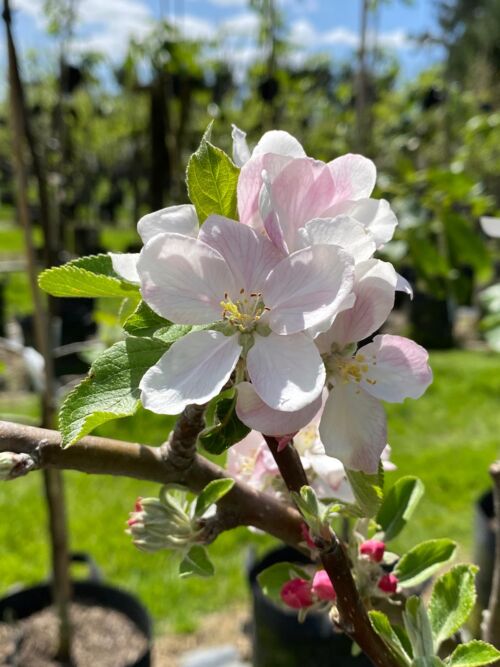
  • Apple 'Granny Smith' white blushed pink flower and red buds spring
    Select options This product has multiple variants. The options may be chosen on the product page / Details Quick View
    Apple ‘Granny Smith’ Espalier with 3 horizontal levels.
    Espaliers are a great way to save space, making them ideal for small gardens while still producing abundant fruit. The basic principles of apple espalier involve training branches horizontally along a support and pruning regularly to maintain shape, encourage fruiting spurs, and improve airflow. Pruning is best done in late summer to control growth and in winter to establish structure.
    1. Winter annual Pruning guidelines (Structural Training):
    • Focus on shaping the tree.
    • Select strong shoots to form horizontal tiers.
    • Remove unwanted vertical growth and shorten side shoots to encourage spur formation.
    1. Summer annual Pruning (Growth Control):
    • Best done around December
    • Cut back vigorous upright shoots that drain energy but don’t produce fruit.
    • Leave short, stubby shoots (spurs), as these are the ones that will bear apples.
    Summary Espalier pruning is about balance: winter pruning builds the framework, while summer pruning controls growth and directs energy into fruiting spurs. By following these principles, you’ll create a healthy, productive apple espalier that is both ornamental and practical Apple ‘Granny Smith’ is one of the most iconic apples in New Zealand. Originating in Australia in 1868, this deciduous fruit tree produces apples with a distinctive green skin. Known worldwide, it remains a heritage variety that continues to delight growers and consumers alike. In spring, the tree bursts into life with white flowers tinged with pink. As summer advances, the fruit steadily matures until it reaches harvest time around May each year. This variety is highly prized for its crisp, juicy flesh and refreshing tart flavour. Consequently, it has become a favourite among apple lovers for generations, enjoyed both raw and in cooking. Its unique taste ensures it stands out from other apple varieties. Apple trees thrive best in well-drained, fertile soils. Moreover, they prefer sunny, sheltered positions to maximize fruit production. With the right growing conditions, Granny Smith trees reach a height of 4–5 meters, making them suitable for home orchards and larger gardens. To promote healthy growth, provide seasonal feeding and deep watering during dry spells. Additionally, apply mulch to retain soil moisture and prune annually. These steps encourage abundant fruiting and help maintain the tree’s attractive shape.
    • Growth Rate: Moderate
    • Plant Type: Tree
    • Shape / Habit: Espalier
    • Deciduous / Evergreen: Deciduous
    • Country of Origin: Australia
    • Similar to Consider: Other apples
    • Leaf Colour: Green
    • Flower Colour: White
    • Soil Conditions: Moist well drained
    • Climate Conditions: Prefers sheltered
    • Uses: Fruit producing, Bird feeding, Small Garden
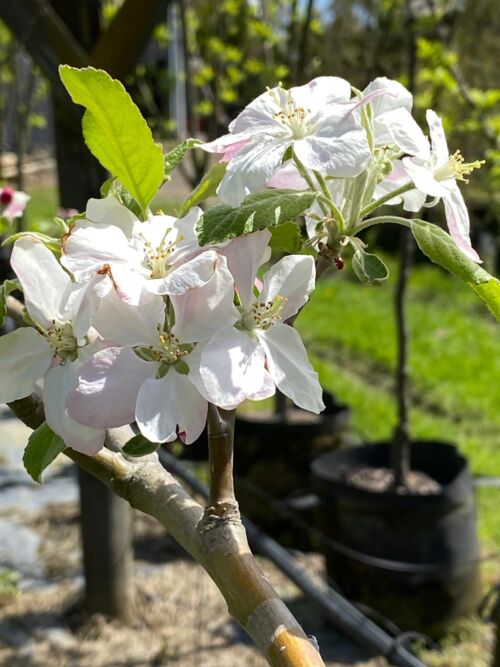
  • Apple 'Fuji" white spring flowers
    Select options This product has multiple variants. The options may be chosen on the product page / Details Quick View

    Apple ‘Fuji’ Espalier

    Retail Price:
    $880.00
    Apple ‘Fuji’ Espalier with 3 horizontal levels
    Espaliers are a great way to save space, making them ideal for small gardens while still producing abundant fruit. The basic principles of apple espalier involve training branches horizontally along a support and pruning regularly to maintain shape, encourage fruiting spurs, and improve airflow. Pruning is best done in late summer to control growth and in winter to establish structure.
    1. Winter annual Pruning guidelines (Structural Training):
    • Focus on shaping the tree.
    • Select strong shoots to form horizontal tiers.
    • Remove unwanted vertical growth and shorten side shoots to encourage spur formation.
    1. Summer annual Pruning (Growth Control):
    • Best done around December
    • Cut back vigorous upright shoots that drain energy but don’t produce fruit.
    • Leave short, stubby shoots (spurs), as these are the ones that will bear apples.
    Summary Espalier pruning is about balance: winter pruning builds the framework, while summer pruning controls growth and directs energy into fruiting spurs. By following these principles, you’ll create a healthy, productive apple espalier that is both ornamental and practical. Apple “Fuji” is a deciduous fruit tree that produces vibrant red apples with a yellow base. Originating in Japan during the 1930s, it quickly became a popular variety worldwide. Today, it remains a heritage apple that continues to impress growers and consumers alike. In spring, the tree bursts into life with delicate white flowers blushed with pink. As summer progresses, the fruit steadily matures until it is ready for harvest around May each year. This variety is highly valued for its large, sweet, and crisp apples with fine texture. Moreover, Fuji apples are excellent for eating fresh and store remarkably well, making them a reliable choice for long-term enjoyment. Apple trees thrive in well-drained, fertile soils. Furthermore, they prefer sunny, sheltered positions to maximize fruit production. With the right growing conditions, Fuji trees reach a height of 4–5 meters, making them suitable for both home gardens and orchards. To encourage healthy growth, provide seasonal feeding and deep watering during dry spells. Additionally, apply mulch to retain soil moisture and prune annually. These steps help shape the tree and ensure abundant fruiting year after year.
    • Growth Rate: Moderate
    • Plant Type: Tree
    • Shape / Habit: Round
    • Deciduous / Evergreen: Deciduous
    • Country of Origin: Japan
    • Similar to Consider: Other apples
    • Leaf Colour: Green
    • Flower Colour: White
    • Soil Conditions: Moist well drained
    • Climate Conditions: Prefers sheltered
    • Uses: Fruit producing, Bird feeding, Small Garden
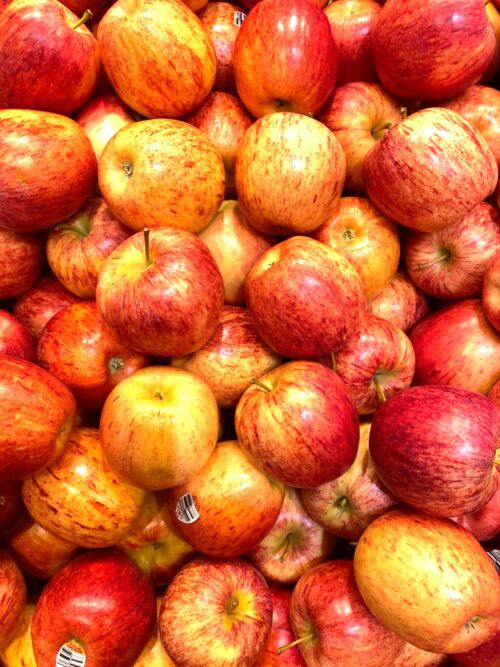
  • Apple 'Royal Gala' fruit
    Select options This product has multiple variants. The options may be chosen on the product page / Details Quick View
    Apple ‘Royal Gala’ Espalier with 3 horizontal levels
    Espaliers are a great way to save space, making them ideal for small gardens while still producing abundant fruit. The basic principles of apple espalier involve training branches horizontally along a support and pruning regularly to maintain shape, encourage fruiting spurs, and improve airflow. Pruning is best done in late summer to control growth and in winter to establish structure.
    1. Winter annual Pruning guidelines (Structural Training):
    • Focus on shaping the tree.
    • Select strong shoots to form horizontal tiers.
    • Remove unwanted vertical growth and shorten side shoots to encourage spur formation.
    1. Summer annual Pruning (Growth Control):
    • Best done around December
    • Cut back vigorous upright shoots that drain energy but don’t produce fruit.
    • Leave short, stubby shoots (spurs), as these are the ones that will bear apples.
    Summary Espalier pruning is about balance: winter pruning builds the framework, while summer pruning controls growth and directs energy into fruiting spurs. By following these principles, you’ll create a healthy, productive apple espalier that is both ornamental and practical. Apple “Royal Gala” is a deciduous fruit tree that produces apples with a striking red stripe over a golden-yellow blush. Originating in New Zealand during the 1930s, it was developed by horticulturist J.H. Kidd as a cross between Kidd's Orange Red and Golden Delicious. Since then, it has become one of the world’s most popular apple varieties. In spring, the tree bursts into life with clusters of white flowers tinged with pink. As summer advances, the fruit steadily develops until it reaches harvest time between February and March each year. This heritage variety is highly prized for its pure white, sweet, and very crisp flesh. Because of its firm texture and refreshing flavour, Royal Gala is a favourite eating apple. Moreover, it is also enjoyed as a versatile dessert apple. Apple trees thrive in well-drained, fertile soils. Furthermore, they prefer sunny, sheltered positions to maximize fruit production. With the right conditions, Royal Gala trees grow to a height of 4–5 meters, making them suitable for both home gardens and orchards. To ensure healthy growth, provide seasonal feeding and deep watering during dry spells. Additionally, apply mulch to retain soil moisture and prune annually. These steps help shape the tree and encourage abundant fruiting year after year.
    • Growth Rate: Moderate
    • Plant Type: Tree
    • Shape / Habit: Round
    • Deciduous / Evergreen: Deciduous
    • Country of Origin: New Zealand
    • Similar to Consider: Other apples
    • Leaf Colour: Green
    • Flower Colour: White
    • Soil Conditions: Moist well drained
    • Climate Conditions: Prefers sheltered
    • Uses: Fruit producing, Bird feeding, Small garden

Why buy online?

Buying plants and trees online doesn’t have to feel risky or impersonal. At Black Bridge Nurseries, we’ve made it simple, safe, and satisfying — so you can shop with confidence, from the comfort of home.
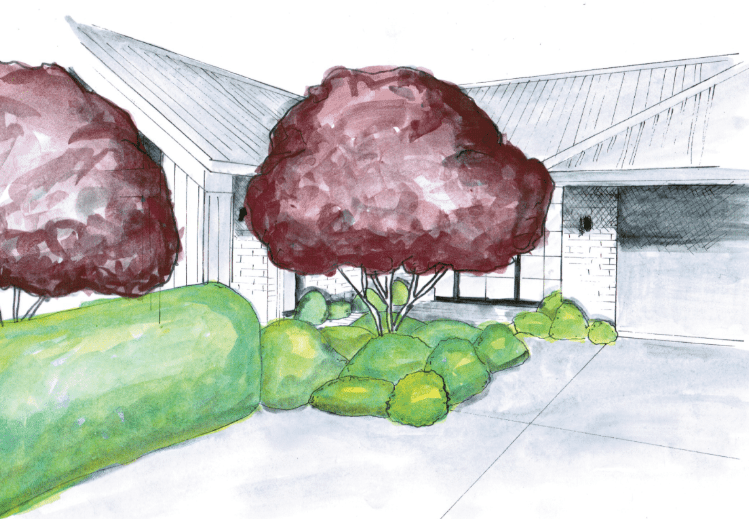
Every species, size, and quantity imaginable, from small shrubs to towering trees. Your dream garden, with no compromises.

Every tree and plant we sell online is inspected by our expert team prior to dispatch, so you receive the same quality we supply to professional landscapers and developers.

Whether you’re in the heart of Auckland or somewhere in the South Island, we’ll get your trees to you safely using trusted plant transport specialists.

No need to visit in person or call around for quotes — browse our range and order instantly. Perfect for busy homeowners and garden lovers who want a seamless experience.

Have a question? Not sure what to choose? Our team is just a call or message away. We’re here to help you select the right trees for your space and make your planting project a success!

Screenshot 2025-09-10 145929

Already have a Landscape Plan?

Looking for the perfect plantings for your project?

Our team is here to help! Whether you need expert advice or a tailored quote, we’ll guide you every step of the way.

Go to Top