Order Quality Trees Online – Delivered Straight to Your Door
Welcome to Our Online Plant Store
From our nursery to your backyard — it’s never been easier to create the garden you’ve been dreaming of. Whether you’re after statement trees, hedging, or lush planting to fill your outdoor spaces, you can now browse and order directly online.
We provide an extensive range of high-quality plants and trees that are perfect for residential landscapes — all backed by the same expert care and service we’re known for. No trade account needed, no back-and-forth calls. Just beautiful plants, delivered to your door.
Shop by category
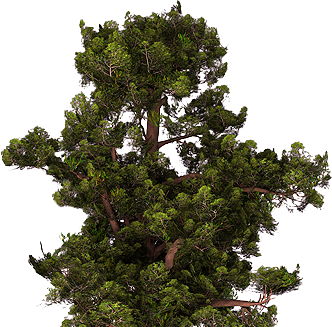
New Zealand Native Trees
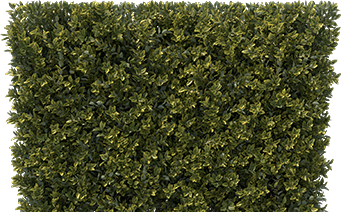
Hedging Plants
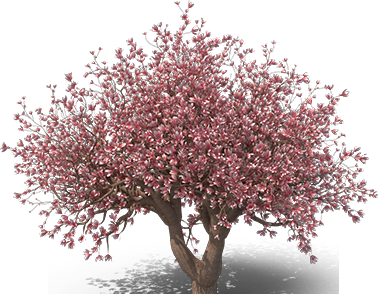
Flowering Trees

Evergreen Exotic Trees
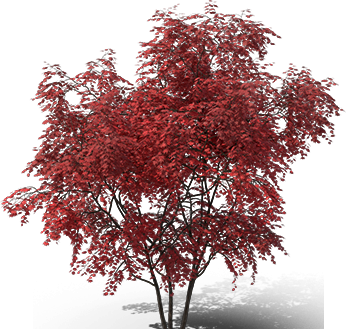
Deciduous trees
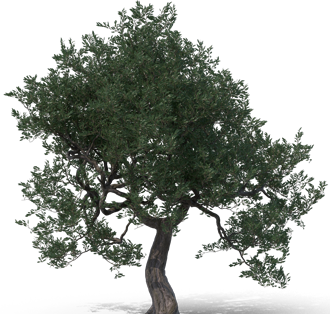
Character Olive Trees
Browse all Trees
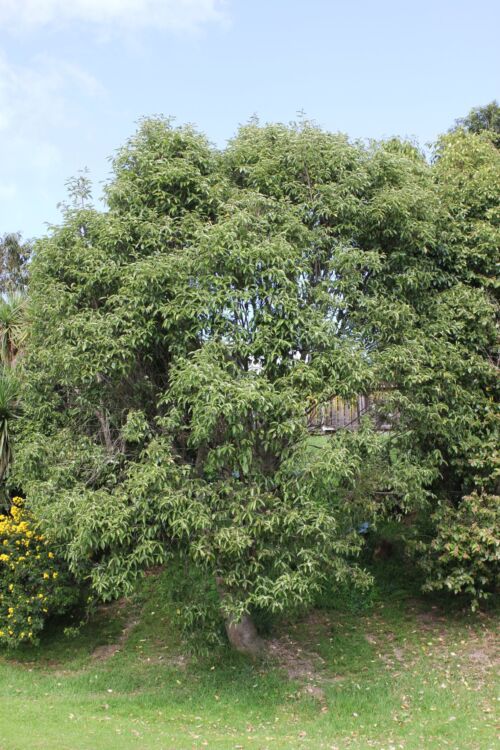
- Beilschmiedia taraire, commonly known as Taraire, is a striking New Zealand native tree that brings a bold, tropical presence to any landscape. With its stately, straight trunk and smooth brown bark, Taraire stands tall and proud offering both structure and elegance. Its broad, dark-green leaves feature distinctive depressed veins, giving the tree a lush, exotic appearance. In spring, very small orange flowers emerge in delicate clusters, followed by eye-catching plum purple fruit in autumn. These fruits are especially loved by the native Kererū pigeon, adding ecological value to its ornamental charm. Moreover, Taraire thrives in rich, deeply worked, well-drained soil and prefers a sheltered, temperate environment. Over time, it develops into a large canopy tree, reaching approximately 7 x 4 metres within 10 years. Under ideal conditions, it can eventually attain a mature height of 15–20 metres—making it a true forest giant. Whether planted as a legacy specimen or to enhance native biodiversity, Taraire offers both beauty and significance in New Zealand gardens
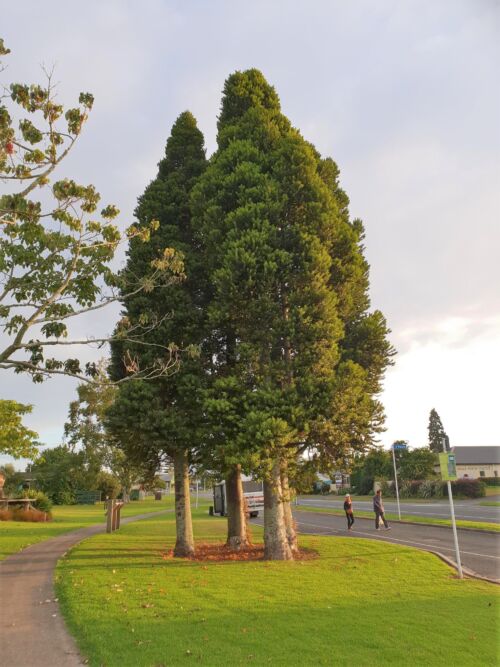
- Agathis australis, commonly known as the New Zealand Kauri, is a slow-growing native tree admired for its longevity and architectural beauty. Remarkably, it retains its juvenile, pyramidal form for up to 50 years, making it a unique presence in any landscape. Its narrow, leathery leaves display a striking bronze-green hue, while the smooth grey bark gradually becomes scaly as the tree matures. Over time, adult specimens develop into stately, straight-trunked trees with a rounded crown—adding grandeur and structure to larger garden spaces. Ideally, this species thrives in rich, fertile, moist, and well-draining soil. However, it is intolerant of persistent wetness and does not cope well with strong winds, therefore, it prefers a warm temperate climate and a sheltered position for optimal growth. In the first decade, the Kauri can reach over 6 metres in height. Eventually, mature trees may grow to an impressive 30–50 metres tall so as a result, it makes an exceptional statement tree and a true icon of the New Zealand forest. Whether planted as a legacy tree or a focal point in a native garden, Agathis australis offers timeless appeal and ecological significance.
- Corynocarpus laevigatus – Karaka is a dense, evergreen tree native to New Zealand. Its lush, glossy green foliage creates a bold, tropical impression—perfect for adding instant visual appeal to gardens and landscapes. Flowering in late winter to spring, it produces delicate green-cream clusters. By summer, vibrant orange berry-like fruits emerge, attracting native kererū, who help disperse the seeds. Exceptionally hardy, Karaka withstands strong winds, coastal exposure, and drought. However, it dislikes waterlogged soils. Ideal as a privacy screen or shade canopy, this tree grows to approximately 15–20 metres tall and 8 metres wide.
- Fagus sylvatica ‘Purpurea’, or Copper Beech, is a magnificent deciduous tree with a dense, pyramid shape. Its new leaves emerge in striking shades of red, then mature into copper bronze tones and finally deep, rich purples. These colourful leaves are also popular for floral work. Originating from Southern Europe, this beech thrives naturally in forested environments, which is reflected in the name “sylvatica.” It grows best in fertile, well drained soil, and planting it in full sun helps maximise leaf colour throughout the season. Copper Beech makes an impressive lawn specimen for larger properties. It can also be trained into a tall screen or woven to form a striking, trimmed formal hedge. The tree reaches around 10 × 4 metres in about ten years and eventually matures to approximately 25 × 10 metres.
- Ficus hillii – Hills Weeping Fig is a medium-sized evergreen tree native to Australia. Its lush lime green leaves and drooping branches create a soft, tropical feel, perfect for adding greenery to compact garden spaces. Thriving in full sun, it prefers moist, well-drained soil and adapts well to a variety of planting styles. It’s ideal for small gardens, either as a hedge or trimmed into a larger screen. This versatile fig is also suitable for pleached hedges and can be trained as a standard in your favourite pot for a formal look. Typically, it grows to around 6 metres tall and 3 metres wide, making it a practical and attractive choice for structured planting.
- Ficus Tuffi is a compact, upright shrub known for its dense growth and vibrant emerald green foliage. Native to Australia, it’s a standout choice for creating smart, formal hedges thanks to its easy-to-trim nature and minimal leaf drop—making it especially ideal around pools. This versatile plant pairs beautifully in layered hedging alongside Buxus or other small shrubs to maintain a polished, structured look. It also lends itself well to topiary work, whether planted directly in the garden or styled in pots for a refined touch. Ficus Tuffi performs best in moist, well-drained soil, flourishes in full sun to partial shade, and is resilient to coastal conditions though not in direct salt spray. Reaching approximately 4 metres tall and 2.5 metres wide, it can also be used as a larger screen. Standards have a clear trunk and are bushy on top. As a group planted together they create a hedge or screen "on stilts" and are called a "pleached hedge".
- Fraxinus griffithii, commonly known as Evergreen Ash, is a fast-growing tree with a rounded form. Its dark green pinnate leaflets create lush foliage, while masses of small white fragrant flowers appear in large, loose panicles during spring, almost covering the entire tree. This hardy tree performs best in well-drained soil and becomes drought tolerant once established. However, avoid waterlogged areas to prevent root rot. Although evergreen, Evergreen Ash can become semi-deciduous in colder climates. It grows to around 6 x 4 metres, forming a beautiful shade tree for gardens and landscapes. The tree is easily clipped to maintain shape and height, making it versatile for design. Very hardy, it also thrives in industrial sites, carparks, and coastal areas, offering resilience and reliability in challenging conditions.
- Hoheria populnea, known as Lacebark, is a compact evergreen tree native to New Zealand. Its slender branches carry fresh, light green leaves that are semi-glossy, veined, and sharply toothed, giving it a delicate yet vibrant appearance. From late summer into autumn, the tree bursts into bloom with masses of starry, snow-white flowers. These striking blossoms often conceal the foliage, creating a dazzling seasonal display. The name “lacebark” refers to its fibrous inner bark, which resembles fine lace. This net-like material can be torn into ribbons and was traditionally used by Māori and Pākehā for weaving hats, capes, and baskets. Thriving in full sun, it prefers moist, well-drained soil that doesn’t dry out too much. With its graceful form and cultural significance, it makes an ideal shade tree for smaller gardens. Expect it to grow to approximately 5 metres tall and 3 metres wide.
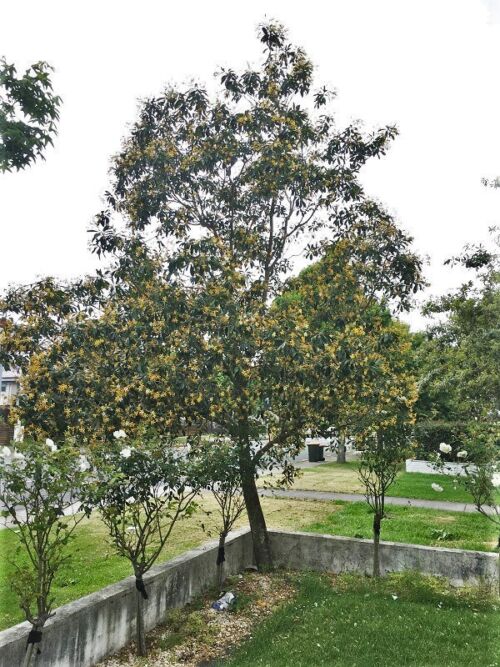
- Hymenosporum flavum known as the Australian Frangipani, is a vigorous, evergreen tree with an upright habit and open form. Its long glossy green foliage provides year-round interest, while the tree’s elegant structure makes it a standout feature in any garden. During spring and early summer, it bursts into clusters of creamy yellow flowers. These blooms release a delightful fragrance, attracting bees, butterflies, and nectar-loving birds, which in turn bring vibrant life and movement to your outdoor space. Native to Australia, this tree thrives in moist, well-drained soil and full sun. However, it benefits from being planted in a sheltered position, away from strong winds, ensuring healthy growth and long-lasting beauty. Reaching approximately 10m high and 4m wide, it suits both spacious and smaller gardens. With regular trimming, you can easily maintain a compact shape and control its height, making it a versatile choice for modern landscapes.
- Kunzea ericoides, commonly known as Kanuka, is a tall, fast-growing New Zealand native tree with a broad, spreading crown. Because of its vigorous growth, it’s widely recognised and valued in native landscapes. Although its tiny needle-like leaves resemble Manuka, they feel noticeably softer to the touch. During summer, small white flowers blanket the tree, creating an almost snow-like effect that’s highly attractive to bees. Compared to Manuka, Kanuka grows larger and produces smaller seeds. Once established, it withstands windy coastal conditions and thrives in dry soils. Furthermore, it tolerates clay, though overly wet areas should be avoided. Extremely hardy, Kanuka reaches approximately 6 x 4 metres. As a result, it’s used extensively as a cover tree to protect newly planted native revegetation, offering both shelter and ecological support.
- Laurelia novae‑zealandiae – Pukatea is an evergreen native tree of New Zealand. It grows quickly, producing fresh green, oval, serrated foliage along shiny black branches. For many years, it maintains a columnar form before eventually developing into a large, round-headed specimen tree. Pukatea thrives in moist to wet, fertile soils. In fact, it excels in temperate to warm subtropical climates with high humidity and consistent rainfall. Its unique strength lies in its ability to grow in poorly drained, swampy areas where other trees often fail. Perfect for wetland areas. This tree is the perfect choice for challenging sites where others would not cope. In natural forest conditions, it can reach heights of up to 35 metres. However, in urban settings with compacted soils, it more commonly grows between 6 and 10 metres, making it suitable for gardens and landscapes.
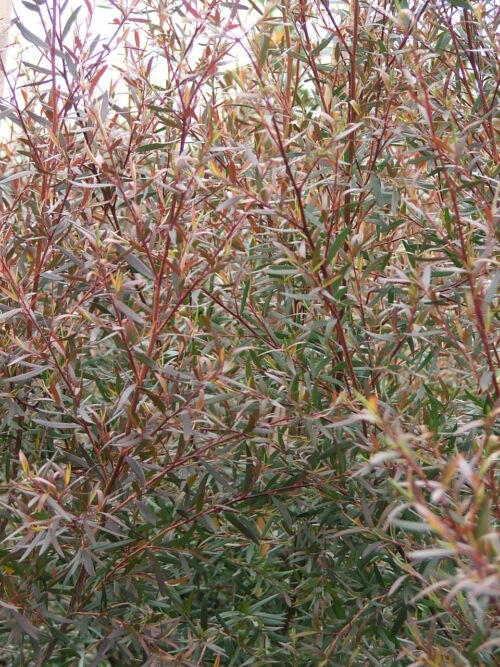
- Leptospermum nitidum ‘Coppersheen’ is a popular, fast-growing evergreen native to Tasmania. It is admired for its striking bronze-red foliage, red stems, and masses of white flowers that bloom profusely in summer, adding vibrant contrast to the garden. Easily trimmed, Coppersheen makes an excellent hedge or larger screen. When left to grow naturally, it reaches approximately 6 x 4 metres, forming a spreading tree with strong visual appeal. This hardy plant tolerates drought and coastal conditions. It grows best in full sun with moist, well-drained soil, making it a versatile choice for many landscapes.





Why buy online?
Buying plants and trees online doesn’t have to feel risky or impersonal. At Black Bridge Nurseries, we’ve made it simple, safe, and satisfying — so you can shop with confidence, from the comfort of home.