Order Quality Trees Online – Delivered Straight to Your Door
Welcome to Our Online Plant Store
From our nursery to your backyard — it’s never been easier to create the garden you’ve been dreaming of. Whether you’re after statement trees, hedging, or lush planting to fill your outdoor spaces, you can now browse and order directly online.
We provide an extensive range of high-quality plants and trees that are perfect for residential landscapes — all backed by the same expert care and service we’re known for. No trade account needed, no back-and-forth calls. Just beautiful plants, delivered to your door.
Shop by category
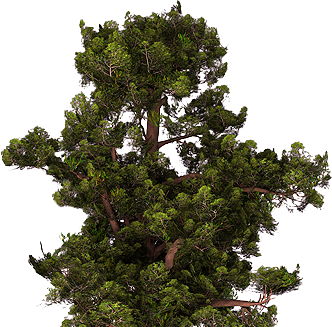
New Zealand Native Trees
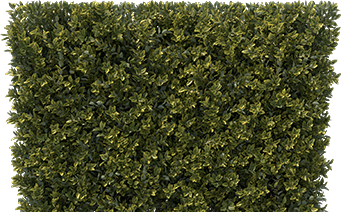
Hedging Plants
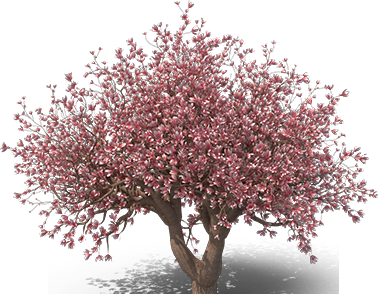
Flowering Trees

Evergreen Exotic Trees
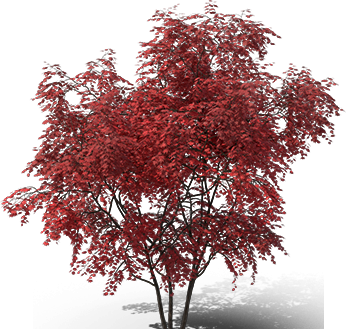
Deciduous trees
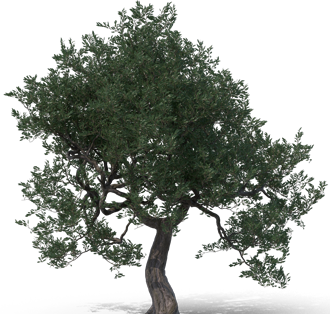
Character Olive Trees
Browse all Trees
-
Apple ‘Granny Smith’ Espalier with 3 horizontal levels.
Espaliers are a great way to save space, making them ideal for small gardens while still producing abundant fruit. The basic principles of apple espalier involve training branches horizontally along a support and pruning regularly to maintain shape, encourage fruiting spurs, and improve airflow. Pruning is best done in late summer to control growth and in winter to establish structure.- Winter annual Pruning guidelines (Structural Training):
- Focus on shaping the tree.
- Select strong shoots to form horizontal tiers.
- Remove unwanted vertical growth and shorten side shoots to encourage spur formation.
- Summer annual Pruning (Growth Control):
- Best done around December
- Cut back vigorous upright shoots that drain energy but don’t produce fruit.
- Leave short, stubby shoots (spurs), as these are the ones that will bear apples.
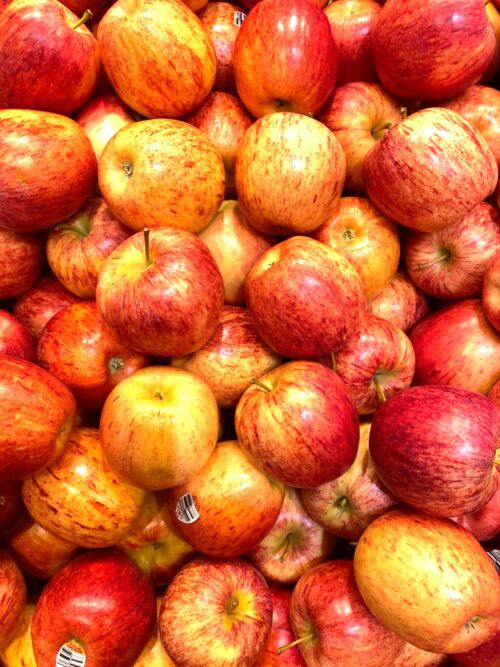
- Apple “Royal Gala” is a deciduous fruit tree that produces apples with a striking red stripe over a golden-yellow blush. Originating in New Zealand during the 1930s, it was developed by horticulturist J.H. Kidd as a cross between Kidd's Orange Red and Golden Delicious. Since then, it has become one of the world’s most popular apple varieties. In spring, the tree bursts into life with clusters of white flowers tinged with pink. As summer advances, the fruit steadily develops until it reaches harvest time between February and March each year. This heritage variety is highly prized for its pure white, sweet, and very crisp flesh. Because of its firm texture and refreshing flavour, Royal Gala is a favourite eating apple. Moreover, it is also enjoyed as a versatile dessert apple. Apple trees thrive in well-drained, fertile soils. Furthermore, they prefer sunny, sheltered positions to maximize fruit production. With the right conditions, Royal Gala trees grow to a height of 4–5 meters, making them suitable for both home gardens and orchards. To ensure healthy growth, provide seasonal feeding and deep watering during dry spells. Additionally, apply mulch to retain soil moisture and prune annually. These steps help shape the tree and encourage abundant fruiting year after year.
-
Apple ‘Royal Gala’ Espalier with 3 horizontal levels
Espaliers are a great way to save space, making them ideal for small gardens while still producing abundant fruit. The basic principles of apple espalier involve training branches horizontally along a support and pruning regularly to maintain shape, encourage fruiting spurs, and improve airflow. Pruning is best done in late summer to control growth and in winter to establish structure.- Winter annual Pruning guidelines (Structural Training):
- Focus on shaping the tree.
- Select strong shoots to form horizontal tiers.
- Remove unwanted vertical growth and shorten side shoots to encourage spur formation.
- Summer annual Pruning (Growth Control):
- Best done around December
- Cut back vigorous upright shoots that drain energy but don’t produce fruit.
- Leave short, stubby shoots (spurs), as these are the ones that will bear apples.
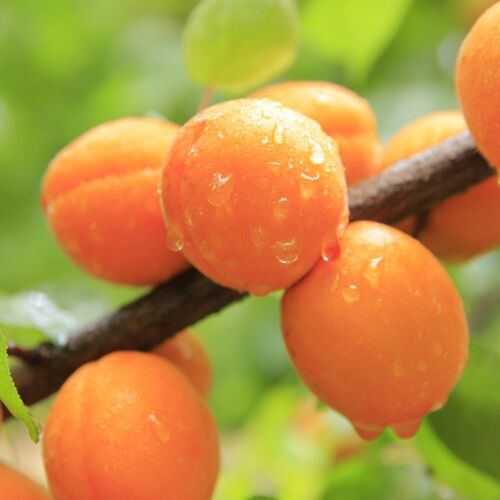
- Apricot ‘Katy Cot’ (Latin Name Prunus armeniaca) is a small deciduous tree with an upright habit and rounded green leaves. From December to January, it produces large, orange freestone fruit with full flavour, making it a rewarding choice for home gardeners. This variety is self‑fertile and performs better in warmer areas. Moreover, it thrives in well‑drained, fertile soil and prefers full sun in a sheltered position, ensuring healthy growth. Because of its compact size, ‘Katy Cot’ is also an ideal as a shade tree in smaller gardens. In addition, it can be pruned easily to maintain shape and height, growing to approximately 5m tall by 3m wide.
- A handsome, fast growing, subtropical evergreen TREE with large emerald green LEAVES that forms a thick canopy. FLOWERS September to December. FRUIT range in size and shape from round cannonball to pear like. All varieties are self-fertile though the trees will produce more and better fruit if cross pollinated. To get fruiting trees it is highly recommended to get a grafted tree and then generally require a few years to mature before fruiting. Stone grown trees may not produce fruit. Requires free draining deep soil and protection from frosts and cold winds. HARVEST September to April. from Grows Apx 6 x 4m. Make enquiries as to which varieties we have available now or see our online catalogue.
- Avocado Bacon - The first question is why the name Bacon?? The simple answer is because it was hybridised by a Mr. James Bacon back in the 1920s on his farm near Buena Park in Southern California in the United States. Forms a handsome round tree with large green tropical looking leaves. Flowers are small, cream. Bacon has a "B" Type Flower. Medium sized oval fruit with smooth shiny green skin even when ripe. Easy to peel with a medium to large seed. Yellow green flesh with light flavour smooth and silky. Self-fertile but will produce better if cross pollinated an "A" Type such as Hass or Reed. Harvest over winter.
- Forms a handsome round tree with large green tropical looking leaves. Flowers are small, cream. "B" Type Flower. Pear shaped fruit with a thin, smooth green, non-shiny skin. Skin remains green as fruit ripens. All self-fertile but will produce better if cross pollinated with an "A" Type such as Hass or Ree. Harvest August to October – Apx 6 x 4m
- The most commonly grown Avocado variety in the world. Forms a handsome round tree with large green tropical looking leaves. Flowers are small, cream. "A" type blossom. Produces medium sized fruit with pebbly thick skin, which darkens when ripe. Smooth texture with high oil content and very nutty rich taste. Self-fertile but will produce better if cross pollinated with a "B" type such as Fuerte or Bacon Harvest November to March. Grows to apx 6 x 4m
- Forms a handsome round tree with large green tropical looking leaves. "A" Type Blossom. Large round, ‘cannon ball’ shaped smooth-skinned fruit with smooth texture and nutty flavour. Fruit remains green when ripe. Self-fertile but produce better if cross pollinated with a "B" type such as Fuerte or Bacon. Harvest February to April. Grows to apx 6 x 4m
- Beilschmiedia taraire, commonly known as Taraire, is a striking New Zealand native tree that brings a bold, tropical presence to any landscape. With its stately, straight trunk and smooth brown bark, Taraire stands tall and proud offering both structure and elegance. Its broad, dark-green leaves feature distinctive depressed veins, giving the tree a lush, exotic appearance. In spring, very small orange flowers emerge in delicate clusters, followed by eye-catching plum purple fruit in autumn. These fruits are especially loved by the native Kererū pigeon, adding ecological value to its ornamental charm. Moreover, Taraire thrives in rich, deeply worked, well-drained soil and prefers a sheltered, temperate environment. Over time, it develops into a large canopy tree, reaching approximately 7 x 4 metres within 10 years. Under ideal conditions, it can eventually attain a mature height of 15–20 metres—making it a true forest giant. Whether planted as a legacy specimen or to enhance native biodiversity, Taraire offers both beauty and significance in New Zealand gardens
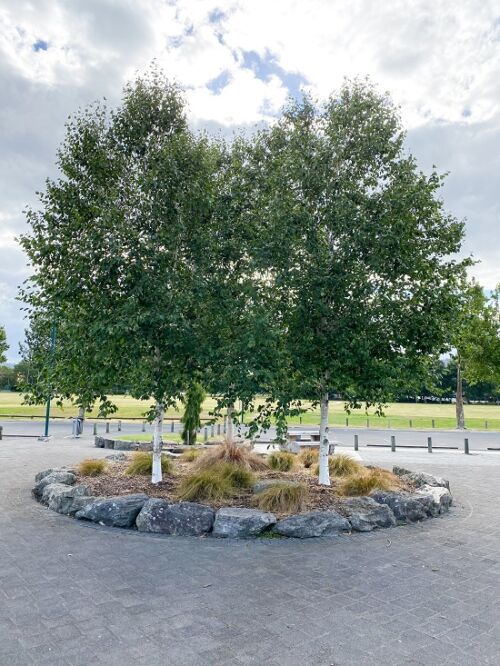
- Strong in form, Betula ermanii – Erman’s Birch is a deciduous tree with a naturally neat, conical to pyramidal shape—especially when its central leader is maintained. As the seasons progress, its bark peels away in elegant layers of creamy white or subtly pink-tinged sheets, offering year-round ornamental appeal. Throughout the growing season, its coarsely toothed, ovate leaves remain a deep green. Then, as autumn sets in, they shift to a bold, brilliant yellow, adding vibrant contrast to the landscape. Come spring, yellow-brown male catkins unfurl alongside fresh foliage, marking the tree’s seasonal renewal. Originating from northeast Asia, this species is well-suited to urban environments. Whether used as a stately avenue tree or for light shade, it performs reliably and with distinction. At full maturity, Erman’s Birch can reach heights of up to 15 metres and 6 metres wide, making it a commanding for structured plantings.
- 15 x 6m
- Tall 10+m
- Moderate - Fast
- Tree
- conical to pyramidal
- Northeast Asia
- Betula Jacquemontii, Poplar Crows nest
- Green
- Yellow
- Moist well drained
- Hardy
- Bold and architectural, Betula utilis 'Jacquemontii' or the Himalayan Birch is a medium-sized deciduous tree known for its upright form that gradually matures into a broad oval silhouette. Originating from the rugged terrains of China and the Himalayas, this fast-growing variety commands attention with its striking, powdery-white bark—a signature feature that sets it apart in any landscape. Throughout summer, its dark green foliage offers a rich contrast to the luminous trunk, before shifting to warm yellow hues in autumn, adding seasonal interest. Whether planted in structured avenues or grouped for visual impact, this birch delivers a refined yet natural presence. Additionally, it responds well to topping, allowing for the creation of standard-type trees where desired. Typically reaching approximately 7 metres in height and 3 metres in spread, Betula 'Jacquemontii' is a standout choice for those seeking elegance with a touch of rugged charm. Utilis = Useful



Why buy online?
Buying plants and trees online doesn’t have to feel risky or impersonal. At Black Bridge Nurseries, we’ve made it simple, safe, and satisfying — so you can shop with confidence, from the comfort of home.