Flowering Trees
- A handsome, fast growing, subtropical evergreen TREE with large emerald green LEAVES that forms a thick canopy. FLOWERS September to December. FRUIT range in size and shape from round cannonball to pear like. All varieties are self-fertile though the trees will produce more and better fruit if cross pollinated. To get fruiting trees it is highly recommended to get a grafted tree and then generally require a few years to mature before fruiting. Stone grown trees may not produce fruit. Requires free draining deep soil and protection from frosts and cold winds. HARVEST September to April. from Grows Apx 6 x 4m. Make enquiries as to which varieties we have available now or see our online catalogue.
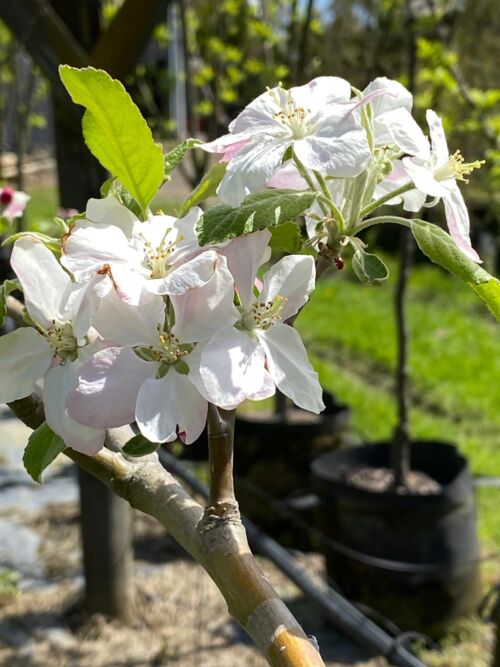
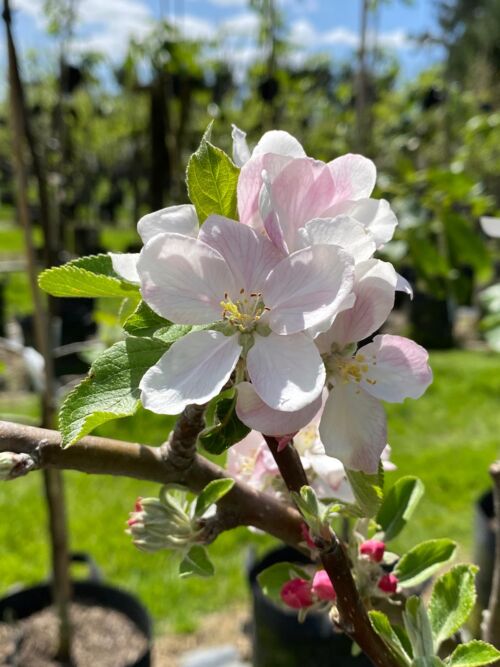
- Apple ‘Braeburn’ is a deciduous fruit tree that produces striking apples with red and yellow-striped skin. Originating in New Zealand in 1952 as a chance seedling, it quickly gained recognition for its quality and flavour. In spring, the tree bursts into bloom with clusters of white flowers. As summer advances, the fruit develops until it reaches full ripeness, ready for harvest around May each year. This heritage variety is celebrated for its crisp, juicy white flesh and superb sweet-tart flavour. Its distinctive taste has made it a favourite among apple lovers and continues to delight generations of growers and consumers. Apple trees thrive best in well-drained, fertile soils and prefer a sunny, sheltered position to maximize fruit production. Under ideal conditions, they grow to a height of 4–5 meters, making them suitable for both home gardens and orchards. For healthy growth, provide seasonal feeding and deep watering during dry spells. Moreover, apply mulch to conserve moisture and prune annually to shape the tree, ensuring strong structure and abundant fruiting year after year..
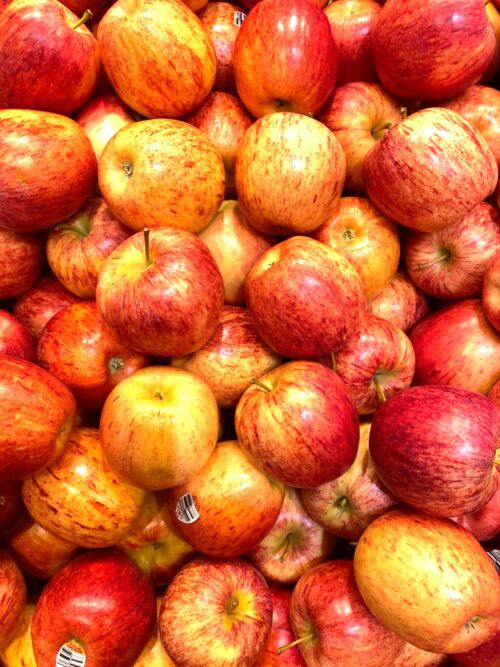
- Out of stockApple “Fuji”is a deciduous fruit tree that produces vibrant red apples with a yellow base. Originating in Japan during the 1930s, it quickly became a popular variety worldwide. Today, it remains a heritage apple that continues to impress growers and consumers alike. In spring, the tree bursts into life with delicate white flowers blushed with pink. As summer progresses, the fruit steadily matures until it is ready for harvest around May each year. This variety is highly valued for its large, sweet, and crisp apples with fine texture. Moreover, Fuji apples are excellent for eating fresh and store remarkably well, making them a reliable choice for long-term enjoyment. Apple trees thrive in well-drained, fertile soils. Furthermore, they prefer sunny, sheltered positions to maximize fruit production. With the right growing conditions, Fuji trees reach a height of 4–5 meters, making them suitable for both home gardens and orchards. To encourage healthy growth, provide seasonal feeding and deep watering during dry spells. Additionally, apply mulch to retain soil moisture and prune annually. These steps help shape the tree and ensure abundant fruiting year after year.
- Apple “Royal Gala” is a deciduous fruit tree that produces apples with a striking red stripe over a golden-yellow blush. Originating in New Zealand during the 1930s, it was developed by horticulturist J.H. Kidd as a cross between Kidd's Orange Red and Golden Delicious. Since then, it has become one of the world’s most popular apple varieties. In spring, the tree bursts into life with clusters of white flowers tinged with pink. As summer advances, the fruit steadily develops until it reaches harvest time between February and March each year. This heritage variety is highly prized for its pure white, sweet, and very crisp flesh. Because of its firm texture and refreshing flavour, Royal Gala is a favourite eating apple. Moreover, it is also enjoyed as a versatile dessert apple. Apple trees thrive in well-drained, fertile soils. Furthermore, they prefer sunny, sheltered positions to maximize fruit production. With the right conditions, Royal Gala trees grow to a height of 4–5 meters, making them suitable for both home gardens and orchards. To ensure healthy growth, provide seasonal feeding and deep watering during dry spells. Additionally, apply mulch to retain soil moisture and prune annually. These steps help shape the tree and encourage abundant fruiting year after year.
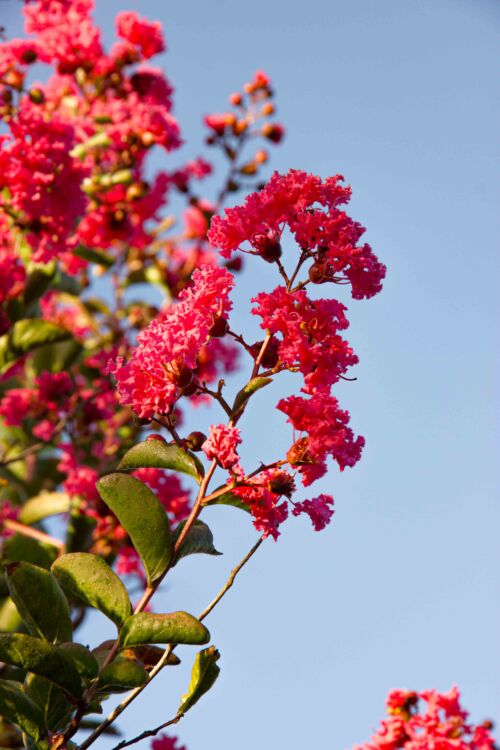
- A small deciduous tree which covers itself in ruffled, red crimson , flowers through summer. Lime green leaves over summer turn autumn colours of yellow, gold and red. Smooth shiny bark. Beautiful feature for a small garden.
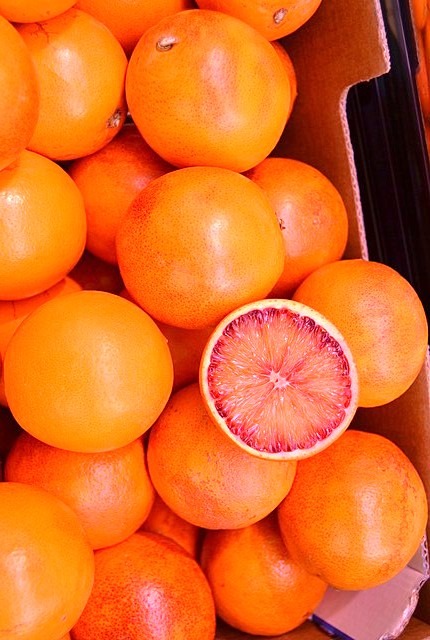
- Orange ‘Blood Orange’ (Citrus sinensis) is an attractive evergreen citrus with very few thorns and minimal seeds. It grows with an upright habit, glossy green leaves, and fragrant white spring blossoms. These features make it an appealing choice for home gardens.The tree produces high‑quality orange fruit with flesh streaked red, offering a tangy‑sweet flavour that develops best with hot days and cool nights. You can harvest the fruit through winter, typically from July to August. Blood oranges originated as a natural mutation of sweet oranges in the Mediterranean, especially in Sicily, during the 17th or 18th century. This long history contributes to their unique colour and flavour profile. The tree thrives in full sun and prefers well‑drained, slightly acidic soil. It suits urban gardens and smaller spaces, growing to around 3.5 × 2.5 metres. With the right conditions, it produces reliable crops and adds ornamental value throughout the year.
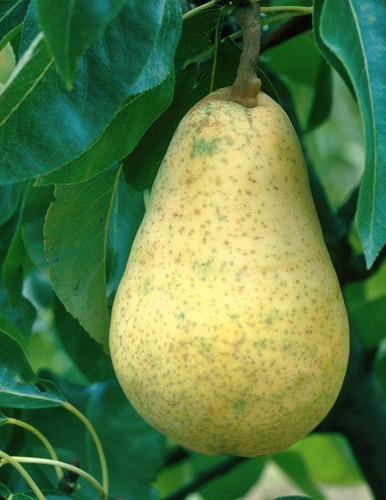
- Pear ‘ Williams Bon Chretien’ (Pyrus communis) is a large long necked, green- yellow fruit, that is ideal for eating and bottling. Harvest is apx Feb March. Branches are more horizontal making it an excellent choice for espaliering. Also known as the Bartlett pear. HERITAGE Pollinators: Beurre Bosc Winter Nelis, Conference, Doyenne du Comice.
- Apple ‘Cox’s Orange’ is a deciduous fruit tree that produces greenish-yellow apples with striking orange-red striping. Widely regarded as one of the finest apples ever grown, it combines beauty with exceptional flavour. In spring, the tree bursts into life with white flowers blushed pink. As summer progresses, the fruit matures until it is ready for harvest between January and February. This heritage variety is prized for its rich, aromatic flesh with a subtle nutty flavour. Its unique taste has made it a favourite among apple enthusiasts for generations. Apple trees thrive in well-drained, fertile soils and prefer a sunny, sheltered position to maximize fruit production. With the right conditions, they grow to a height of 4–5 meters. To ensure healthy growth, provide seasonal feeding and deep watering during dry spells. Additionally, apply mulch to retain moisture and prune annually to shape the tree and encourage abundant fruiting.
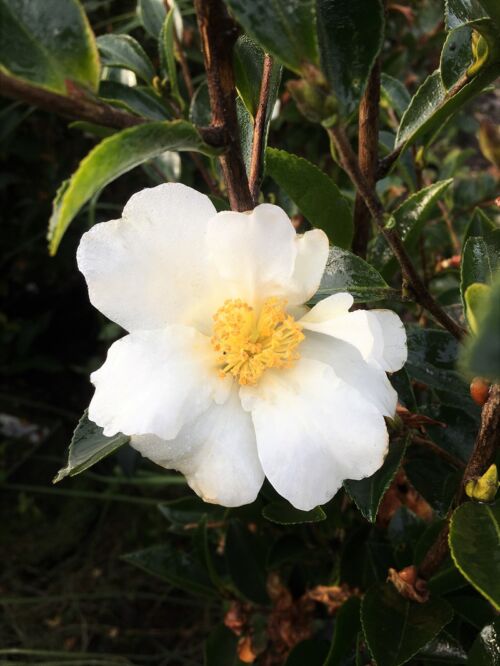
- Camellia sasanqua ‘Setsugekka’ is among the most popular flowering camellias. This moderately fast-growing upright shrub showcases white blooms from autumn through winter. Each flower features a ruffled edge, a bright cluster of golden stamens at the centre, and a delightful fragrance that enhances the garden. In addition to its flowers, the shrub offers dense, glossy green foliage. Therefore, it is an excellent choice for hedging at various heights. It responds well to trimming and, alternatively, can be grown as a striking standalone specimen or shaped as a topiary. Although camellias originate from China, cultivars like ‘Setsugeka’ are now bred worldwide. As a result, they are admired for their ornamental appeal and adaptability, making them suitable for diverse garden styles and climates. For best results, position this plant in full sun or dappled shade. To ensure healthy growth, place it in well-draining, acidic soil enriched with organic matter. Moreover, pruning after flowering promotes bushier and more compact growth. Typically, this variety grows to around 2.5m tall and 2.0m wide; however, it can be allowed to expand further, creating an effective screen in the garden
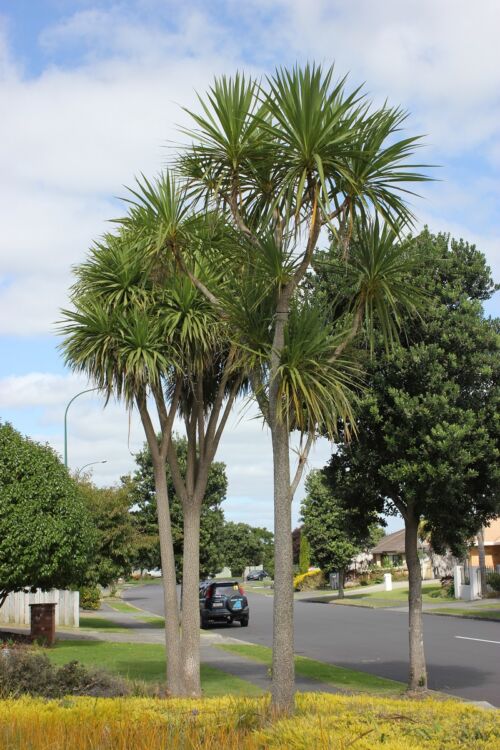
- Cordyline australis, commonly known as the Cabbage Tree or Ti Kouka, is a striking native tree found throughout New Zealand. With its upright trunk and clusters of long, drooping leaves—often reaching up to 1 metre—it resembles a palm and adds architectural flair to any landscape. In late spring, this hardy tree bursts into large heads of creamy white, scented flowers. These blooms are rich in nectar, attracting bees and other pollinators. As summer progresses, the tree produces fruit that draws native birds from January to April, enhancing biodiversity in your garden or property. Cordyline australis thrives in a wide range of environments—from swampy wetlands to dry, windy hill slopes. It’s commonly seen across farmland, open spaces, and scrubland in both the North and South Islands. While it tolerates clay soils, it performs best in free-draining ground and is resistant to coastal winds and harsh conditions. The name “Cabbage Tree” arose from early European settlers who, like Maori, used the tender heart-shoots as a vegetable. Its Latin name, australis, fittingly means “southern” or “of the south,” reflecting its deep roots in New Zealand’s southern landscapes. This iconic tree typically grows to around 6 metres tall and 2 metres wide, making it a bold and resilient choice for coastal gardens, rural properties, and native restoration projects.
- 6 x 2m
- Medium 5-10m
- Slow - Moderate
- Palm
- Upright
- New Zealand/div>
- Nikau Palms
- Green
- White
- Fragrant
- Dry once established, Damp-Wet, Clay
- Coastal, Windy, Hardy
- Bird Feeding, Small Gardens
- Laurus nobilis – Bay Laurel is a compact evergreen tree native to the Mediterranean region. Its dark green, leathery leaves are highly aromatic and widely valued for culinary use. In spring, small yellow flowers appear, followed by clusters of dark berries that add seasonal interest. Bay Laurel can be easily trimmed to shape, making it ideal as a screen or hedge. Moreover, it performs beautifully as a standard or ornamental tree, offering versatility in both formal and informal garden designs. This tree prefers moist, well-drained soil, yet it will tolerate drier conditions once established. In addition, it withstands coastal and windy aspects, making it a resilient choice for challenging sites. Mature specimens typically reach around 5 metres high and 3 metres wide. Interestingly, the name nobilis reflects its impressive quality and noble reputation.
- Port Wine Magnolia - Michelia figo is a slow-growing, compact shrub that features a rounded shape and vibrant lime-green foliage. In early spring, it bursts into bloom with masses of small, cream-colored flowers streaked with purple, which release a rich fragrance. As a result, it becomes a standout feature in any garden. Depending on light conditions, the shrub’s form can vary. When grown in shade, it tends to develop a looser, more open structure. Conversely, plants grown in full sun are typically more compact and display denser foliage. Moreover, it thrives in humus-rich, well-drained, slightly acidic soil, making it adaptable to a range of garden environments. Whether planted in sun or shade, Port Wine Magnolia performs beautifully. It can be trimmed into a neat, low hedge, allowed to grow as a striking standalone specimen, or placed in a large decorative pot for added versatility. Originating from Western China, this elegant shrub typically reaches up to 3 metres tall and 2.5 metres wide.
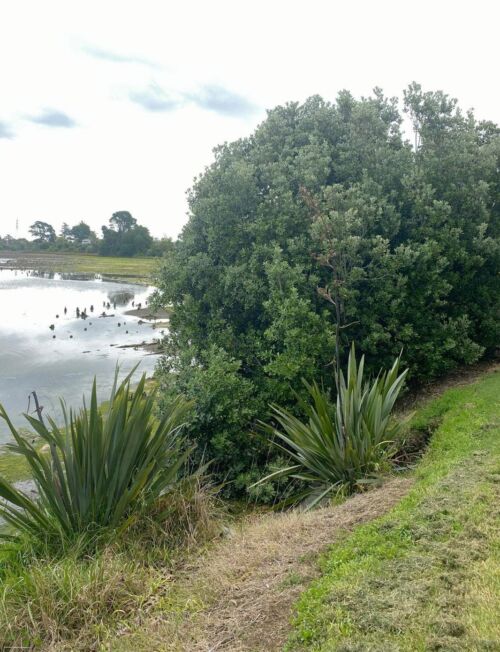
- Pittosporum crassifolium - Karo is a compact, evergreen tree native to New Zealand. Its bushy form and leathery dark green leaves, felted underneath, give it a lush appearance. In spring, it produces sweetly scented purple flowers, especially fragrant during calm mornings or evenings. After flowering, it forms seed capsules that attract and feed native and other small birds. Karo is easily trimmed into a tidy hedge or left to grow as a hardy screen, either trimmed or natural. It thrives in full sun and well-drained soil. Once established, it tolerates dry conditions, coastal exposure, and strong winds—making it ideal for challenging sites. This very hardy tree typically grows to around 6 metres tall and 4 metres wide, making it ideal for gardens needing structure and resilience.
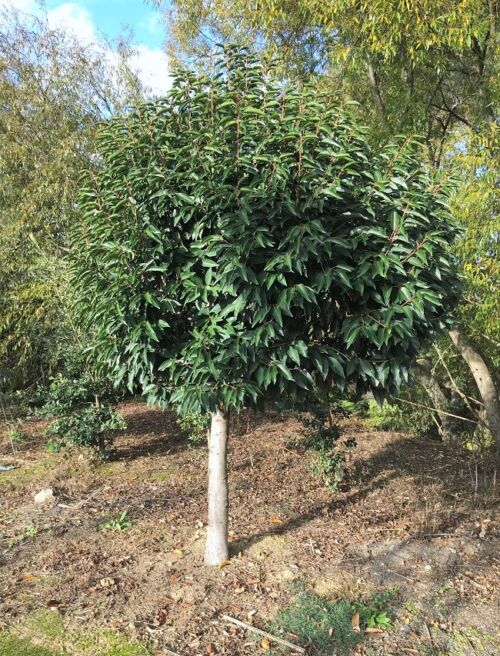
- Prunus lusitanica - Portuguese Laurel, is a versatile evergreen shrub or small tree with dark, glossy green oval leaves. Native to Western Europe, including regions of France, Spain, Portugal, and Morocco, it brings both structure and elegance to garden landscapes. In late spring to summer, it produces white flowers with a subtle hawthorn-like scent, arranged in long, slender racemes. These are soon followed by small fruits, adding further seasonal interest. Moreover, this plant thrives in moist, well-drained soils, though it will not tolerate waterlogged conditions. Therefore, it’s best planted in a sunny, sheltered position to ensure healthy growth. Thanks to its dense foliage and upright habit, Portuguese Laurel is excellent for trimming into formal hedges or shaping into a clipped screen. Additionally, it can be trained as a pleached hedge or sculpted into topiary forms, offering flexibility for both traditional and contemporary garden designs. Typically growing to approximately 5 x 4 metres, it makes a bold yet refined statement in any outdoor space. The name lusitanica refers to Lusitania, the ancient Roman name for Portugal, highlighting its rich heritage.
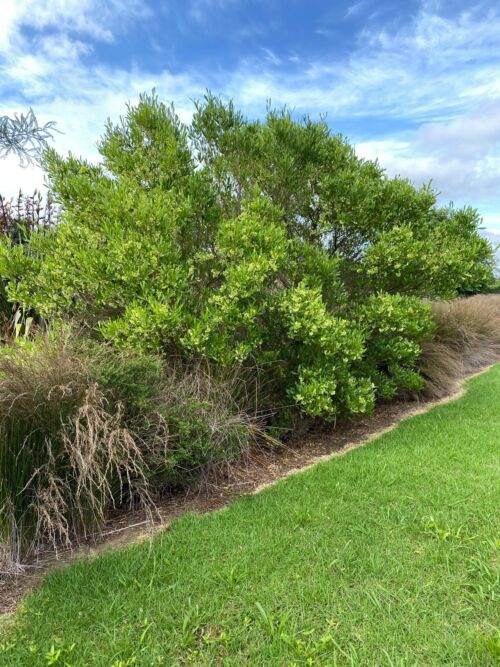
- Dodonaea viscosa also known as Ake Ake, is a small, spreading evergreen tree native to New Zealand. Its long, leathery light green leaves bring a fresh, vibrant look to any landscape. In summer, it produces unusual yellow-green papery flower clusters, adding seasonal interest. Once established, Ake Ake is highly tolerant of dry, sandy or rocky soils, salt spray, wind, and drought, but prefers a moist well drained soil. This hardy tree thrives in full sun and is ideal for exposed or coastal sites. It works beautifully as a windbreak or privacy screen in tough conditions. To maintain a dense, bushy form, regular trimming is recommended. Typically, it grows to around 3.5 metres high and 2 metres wide.
- Corokia virgata ‘Geenty’s Green’ is a compact, bushy shrub native to New Zealand, celebrated for its vibrant green foliage and star-shaped yellow flowers that bloom in early summer. These are followed by small dark red berries that attract native birds, adding seasonal interest and biodiversity to your garden. Ideal for hedging, this versatile plant trims neatly into a tidy shape, ideal for low hedges or borders in larger or smaller gardens. It can be left to grow naturally into a larger screen as well. Once established, it thrives in exposed coastal, windy or dry conditions, making it a resilient choice for challenging sites. Mature plants reach approximately 2 metres high by 1.2 metres wide. Named in honour of New Zealand plantsman and Corokia enthusiast Mike Geenty, this cultivar has the Latin virgata, meaning “twiggy”—a reference to its fine branching structure.
- Camellia sasanqua ‘Paradise Helen’ is a moderately fast-growing upright shrub. In autumn and continuing into winter, it showcases masses of pink buds that open into dazzling double white flowers with bright yellow stamens, creating a striking seasonal display. In addition to its blooms, the shrub features dense, glossy green foliage. Therefore, it is an excellent choice for hedging at various heights. It responds well to trimming and, alternatively, can be grown as a bold standalone specimen. ‘Paradise Helen’ is an Australian-bred cultivar of the Camellia sasanqua species, which is native to China and Japan. It was developed by Paradise Plants, highlighting its strong ornamental appeal and adaptability. For best results, plant in full sun or dappled shade in moist, well-drained acidic soil. Furthermore, pruning after flowering encourages bushier, more compact growth. Typically, this variety reaches about 2.5m tall by 2.0m wide, yet it can grow larger to form an effective screen
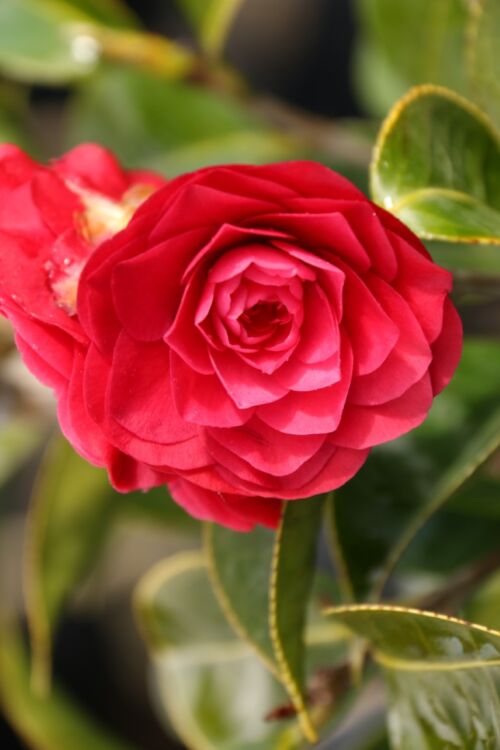
- Camellia japonica ‘Roger Hall’ is an evergreen shrub with glossy green foliage. In early summer, bright red, small to medium, formal double flowers create a striking display that brightens the garden. Moreover, Japonica camellias are versatile. They make excellent hedges, yet they also shine as stand-alone small trees. Plant them in full sun or shaded areas, ensuring well-drained acidic soil for best results. After flowering, prune to encourage bushy growth. Alternatively, allow the plant to develop into a larger screen. In addition, this camellia can be planted in larger pots and also suits topiary work, offering flexibility for different garden designs.
- Camellia hybrid ‘Nicky Crisp’ is a slower-growing, compact shrub with dense foliage and deep green leaves. Its neat form makes it an attractive choice for structured plantings. In addition, small pale pink semi-double flowers with bright yellow stamens appear for 5–6 weeks during winter. These blooms add soft colour and seasonal interest to the garden. Moreover, this camellia thrives in full sun or dappled shade when planted in well-drained acidic soil. Prune after flowering to encourage bushiness. It makes an outstanding hedge or border, especially in smaller gardens, and can reach up to 2m if left untrimmed.
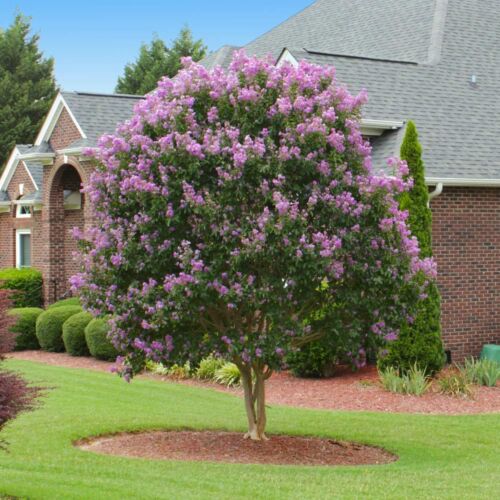
- Lagerstroemia indica ‘De Puard’ – Crepe Myrtle is a delightful small deciduous tree with a compact, rounded form. During summer, its lime-green foliage creates a fresh display, before transforming into rich autumn tones of brilliant red. At the same time, lilac-mauve flowers with a crepe-paper texture cover the tree in abundance, offering a truly spectacular sight throughout the warmer months. Furthermore, its smooth, mottled pinkish-gray bark provides striking year-round interest. This variety grows best in moist, well-drained soil and full sun, ensuring maximum flower production. In addition, it makes an elegant feature in a sheltered small garden. Reaching approximately 4 x 3 metres, it can also be easily trimmed to suit your preferred shape and size, giving both flexibility and charm