Moist Well Drained
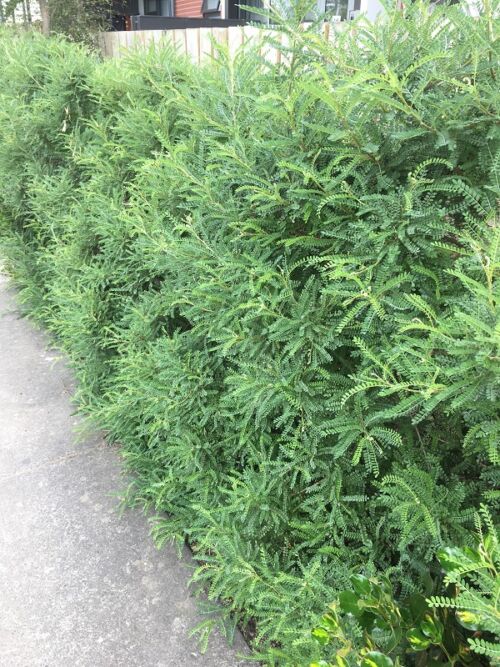
- Sophora microphylla, commonly known as small-leaved kōwhai, is a graceful, semi-open, semi-deciduous native tree of New Zealand. Its delicate form makes it ideal for smaller gardens, while its vibrant seasonal displays add striking visual interest throughout the year. During its juvenile stage, this species features distinctive zig-zag (divaricating) branches. Over time, these develop into arching, spreading limbs adorned with small, pinnate green leaflets 🌿 that soften its overall form. In spring, golden-yellow tubular flowers bloom in pendulous racemes. These 45mm blossoms appear en masse, attracting Tui and other nectar-loving birds with their rich nectar. This Kowhai thrives in well-drained soil and sheltered spots. It grows happily in full sun or partial shade, making it versatile for various garden settings. Prefers free draining moist soils and is not suitable for waterlogged or extremely dry sites. With proper care, it becomes a stunning feature tree that reaches approximately 5 metres tall and 2.5 metres wide.
- Sophora microphylla 'Dragons Gold', also known as Dwarf Kowhai, is a compact native shrub from New Zealand. It forms a rounded shape with small, pinnate green leaflets, offering year-round visual interest. From late winter to spring, bright yellow flowers bloom earlier than other Kowhai varieties. These tubular blossoms attract Tui and other nectar-loving birds, adding vibrant life to your garden. Dragons Gold prefers a sheltered spot with well-drained soil. It tolerates both full sun and partial shade, making it adaptable to various garden conditions. Ideal for smaller gardens, it can be grown in pots or mass planted to cover larger areas. Its tidy form and easy maintenance also make it perfect for low hedging or borders. Typically, 'Dragons Gold' grows to around 2.5 metres tall and wide, making it a versatile and eye-catching addition to any landscape..
- Sophora tetraptera, commonly known as NZ Kowhai, is a graceful, arching evergreen native tree. It grows slightly larger than its close relative, Sophora microphylla, making it an excellent choice for those seeking a more prominent garden feature. Notably, its dark green pinnate leaves are larger—ranging from 8 to 16 cm—and unlike microphylla, it does not exhibit tangled juvenile growth. In early spring, this tree bursts into golden yellow blooms arranged in racemes of 4 to 10 flowers, which appear earlier than those of microphylla. As a result, it creates a more open and airy visual impact. When in full bloom, NZ Kowhai is truly spectacular. Moreover, it attracts Tui and other nectar-loving birds, adding vibrant life to your garden. Ideally, it prefers a sheltered position with moist, well-drained soil. Ultimately, it grows to approximately 7 x 4 meters, making it a perfect feature tree for smaller gardens.
- 7 x 4m
- Medium 5-10m
- Moderate
- Tree
- Spreading
- Deciduous
- New Zealand/div>
- Sophora Microphylla, Sophora Chathamica
- Green
- Yellow
- No
- Moist well drained
- Prefers a sheltered position
- Small garden, Shade Tree, Feature, Bird Feeding
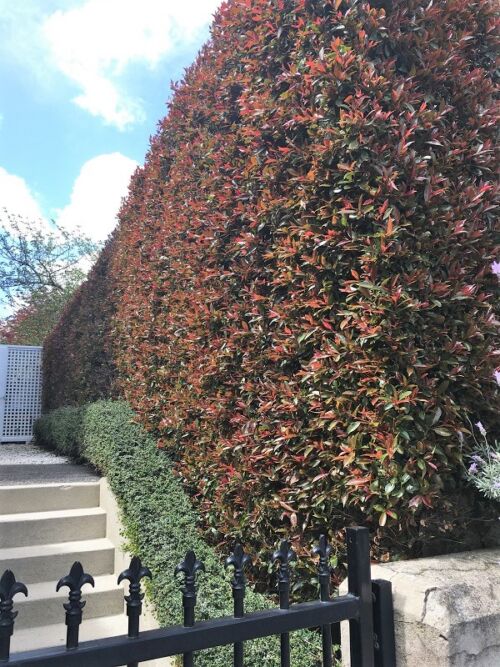
- Syzygium ‘Resilience’, a highly psyllid-resistant Lilly Pilly now available in New Zealand, thanks to Black Bridge Nurseries. This exceptional cultivar, originally from Australia, has been specially selected and propagated to combat the damage caused by the troublesome psyllid insect. Like other Lilly Pilly varieties, ‘Resilience’ forms a lush, compact shrub with vibrant mid-green foliage. In spring, its fresh growth flushes red tones, adding seasonal colour and visual interest to the garden. In summer, ‘Resilience’ bursts into bloom with masses of fluffy white flowers, followed by vibrant red berries that attract birds. It’s faster growing than traditional varieties, with a stronger, straighter central leader and a more robust root system. It also performs well in shaded areas, making it a versatile choice for many garden settings. Thriving in moist, well-drained soil, this hardy shrub can reach approximately 7m high by 3m wide but responds well to trimming making it ideal for hedging, screening, and topiary. Syzygium ‘Resilience’ is a standout performer in any landscape. Standards have a clear trunk and are bushy on top. As a group planted together they create a hedge or screen "on stilts" and are called a "pleached hedge".
- Hybrid of Grapefruit and Tangerine. Yields high amounts of red orange fruit that is semi-flat and thin skinned. Flesh is sweet, very juicy and is almost seedless. Ripens during July-October. Smaller growing so ideal for the smaller garden.
- Tangor Ugli, also called the Jamaican tangelo, is a unique citrus hybrid combining grapefruit, orange, and tangerine. The tree grows vigorously with an upright habit and classic green citrus foliage. In summer, it produces fragrant white blossoms that soon develop into large, orange, bumpy fruit. Fruit matures from October to December, are easy to peel, juicy and sweet. Although its name sounds unusual, the fruit remains exceptionally delicious. First discovered growing wild in Jamaica between 1917 and 1924, Tangor Ugli has become a popular garden citrus. The tree typically reaches around 3 × 2 metres, making it suitable for small gardens and compact spaces. It grows best in full sun, which supports strong growth and reliable fruiting. This variety prefers fertile, well draining soil rich in organic matter. However, it does not tolerate heavy clay or waterlogged conditions. Because it is a heavy feeder, it benefits from regular citrus fertiliser during spring and summer. Tangor Ugli suits sheltered courtyards, smaller gardens, and even large containers. With the right care, it rewards growers with abundant crops and standout flavour, making it one of the most enjoyable citrus varieties to cultivate.
- Thuja occidentalis 'Smaragd' is an elegant, evergreen conifer with a compact, conical shape. Its slow-growing nature means it maintains form without the need for trimming, making it ideal for low-maintenance gardens. Bright green, glossy foliage grows densely along upright branches, creating a refined vertical accent. Moreover, it tolerates humid conditions better than many other upright conifers. This versatile plant thrives in full sun or part shade and prefers well-drained soil. Because of its tidy shape, it suits containers, small gardens, or as striking statement pillars. Typically growing to around 4.0 x 1.5 metres, it fits beautifully into formal or modern landscapes. Interestingly, the name “Smaragd” comes from Ancient Greek and translates to “green stone,” reflecting its vibrant colour
- Thuja Green Giant is a resilient, fast-growing evergreen conifer admired for its dense, dark green foliage and upright pyramidal form. Propagated from cuttings, it maintains a uniform habit, remains disease-free, making it ideal for consistent planting. Because of its vigour, Thuja Green Giant is widely used for privacy screens and hedges. Moreover, it serves as a successful shelter belt worldwide. Originating in Denmark, this hybrid combines parent species from North America and Japan. In addition, it tolerates a wide range of soils, from sandy to clay, although it dislikes standing water. It also withstands windy sites and thrives best in full sun. For hedging or shelter, plant approximately 1.5–2.0 meters apart. At maturity, Thuja Green Giant reaches around 12 meters tall and 4 meters wide, creating an impressive and lasting landscape feature.
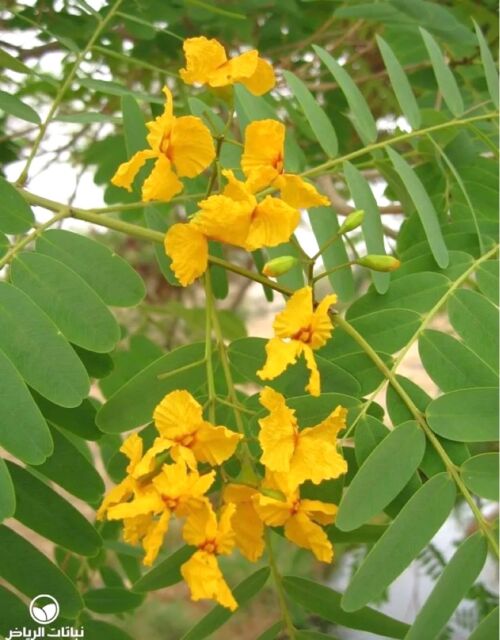
- Tipuana tipu, commonly known as Rosewood or Pride of Bolivia, is a fast‑growing evergreen tree with slender form and small, dark green, acacia‑like leaflets. It develops a broad, slightly flattened crown that offers excellent shade.In spring, the tree produces masses of bright yellow flowers with orange throats, followed by distinctive woody, winged seed pods. Native to Bolivia and South America, it thrives in full sun and remains evergreen in warmer climates. Rosewood prefers well‑draining, moderately fertile soil and adapts well to large landscape settings. Its timber is highly valued for fine furniture, musical instruments, and decorative pieces due to its durability and attractive grain. Reaching approximately 15 × 10 metres, it serves as an impressive shade tree for spacious gardens or parks.
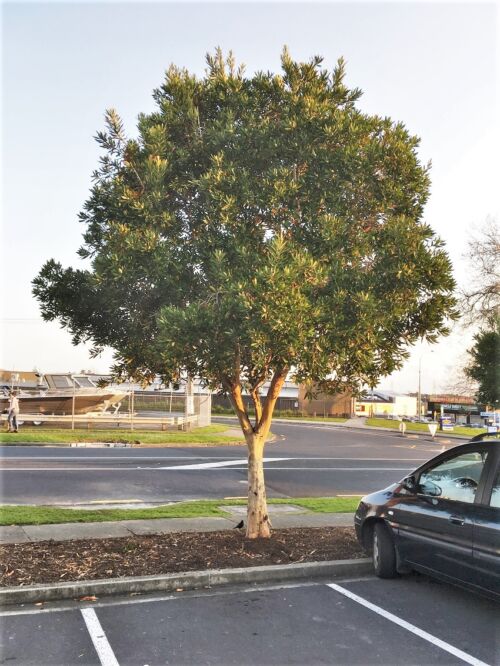
- Tristaniopsis laurina – Kanooka or Water Gum is a medium-sized evergreen tree with a rounded, compact form. Its dark, glossy green leaves provide year-round appeal, making it a striking feature in any landscape. Native to Australia, this tree produces clusters of small, fragrant yellow flowers during summer. These blooms not only enhance its beauty but also attract pollinators, bringing extra life and movement to your garden. Kanooka Water Gum tolerates clay soils, yet it performs best in moist, well-drained conditions. For optimal growth and colour, plant it in full sun while avoiding sites that are overly wet or dry. Versatile and adaptable, it suits street planting, lawn specimens, and smaller gardens where shade is desired. Typically reaching 7 metres tall and 4 metres wide, it can also be pruned to maintain a neat, compact shape.
- Tupidanthus calyptratus - Mallet Flower, is a fast-growing tropical evergreen that adds lush vibrancy to any garden. Its glossy, bright green palmate leaves droop gracefully, creating a soft, weeping effect. In spring and summer, green buds emerge and bloom into tiny white flowers. These sit atop structures resembling small mallets—hence the name “Mallet Flower” and its botanical title, "calyptratus". Mallet Flower thrives in moist, well-drained soil and prefers full sun. It typically grows to around 6 metres tall and 4 metres wide, is easily trimmed to shape and height, making it ideal for tropical landscaping.
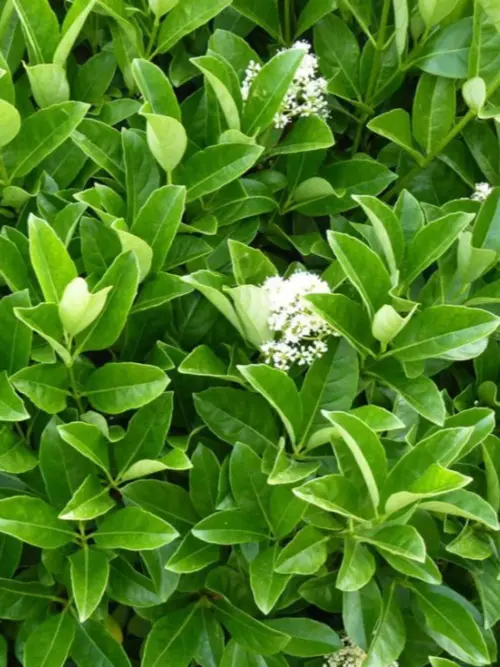
- Viburnum odoratissimum ‘Dense Fence’ is an evergreen shrub bred to create fast-growing, dense hedges. As a result, it provides excellent screening and privacy in gardens or landscapes. Its glossy, dark green leaves emerge with a striking red flush, while clusters of fragrant white flowers appear in spring. Consequently, the shrub offers year-round interest with minimal pruning required to maintain a tidy hedge. This hardy plant prefers moist, well-drained soil in full sun to partial shade. Moreover, once established, it tolerates light frost and grows to approximately 3 x 2 metres. Interestingly, the epithet odoratissimum comes from Latin, meaning “very fragrant” or “most fragrant,” perfectly reflecting its delightful spring bloom
- Flower Fragrant? Yes
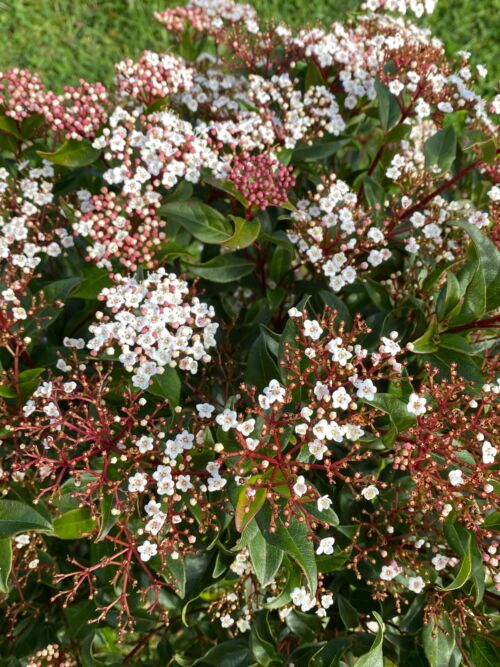
- Viburnum tinus ‘Eve Price’ is a compact evergreen shrub with dense, dark green foliage. Its tidy growth habit makes it ideal for structured garden designs and low-maintenance landscapes. During winter, masses of carmine buds burst into small, pink-tinged white flowers. These blooms add seasonal charm and brighten cooler months with subtle colour and fragrance. After flowering, the shrub produces small blue-black berries. Not only do they add ornamental value, but they also provide a valuable food source for birds. This hardy plant thrives in moist, well-drained soil and tolerates full sun to light shade. Perfect for mass planting or hedging, Viburnum ‘Eve Price’ also works beautifully as a standalone feature. You can easily trim it to maintain shape and size, reaching approximately 2.0 x 1.5 metres.
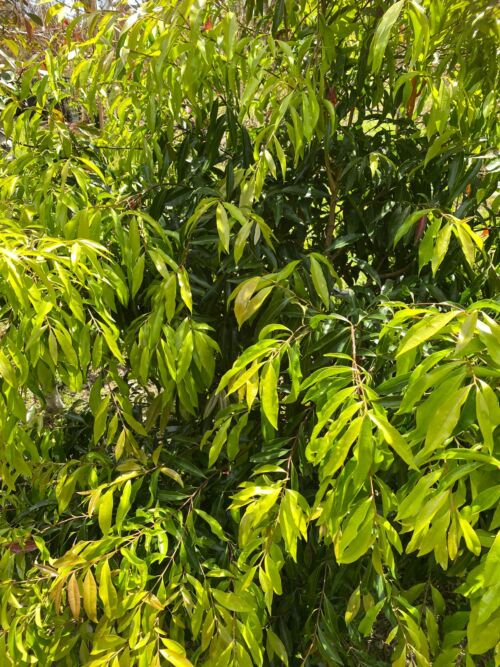
- Waterhousia floribunda - Weeping Lilly Pilly is a striking evergreen tree known for its dense, weeping form making it a standout feature in any garden. Its long, thin leaves have wavy edges and appear mostly green. However, new growth brings a burst of lighter greens, yellows, and salmon tones, adding seasonal interest. From November to January, the tree blooms with white fluffy flowers. Shortly after, rich pink berries emerge, enhancing its ornamental appeal and attracting feeding birds. Thanks to its versatility, you can trim it into a hedge or let it grow freely as a lush “umbrella” shade tree. Either way, it provides excellent screening. Moreover, Waterhousia floribunda thrives in a wide range of conditions. It is hardy, adaptable, and grows to approximately 8 metres tall by 5 metres wide. Interestingly, the name “floribunda” comes from botany and means “many-flowering” or “flowering profusely”—a fitting description for this beautiful tree.