Evergreen Exotic Trees
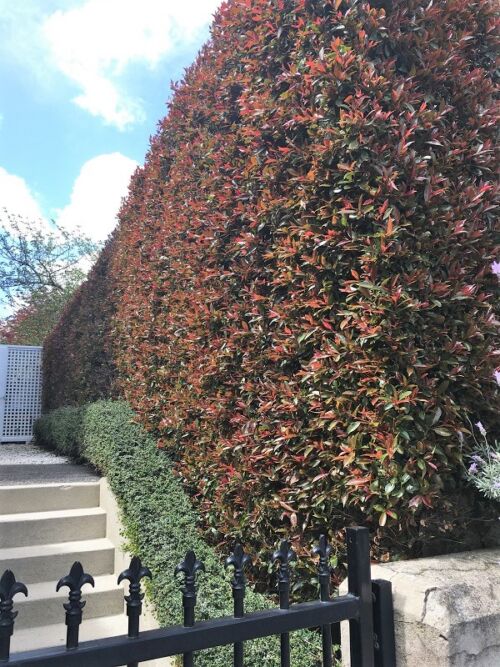
- Syzygium ‘Resilience’, a highly psyllid-resistant Lilly Pilly now available in New Zealand, thanks to Black Bridge Nurseries. This exceptional cultivar, originally from Australia, has been specially selected and propagated to combat the damage caused by the troublesome psyllid insect. Like other Lilly Pilly varieties, ‘Resilience’ forms a lush, compact shrub with vibrant mid-green foliage. In spring, its fresh growth flushes red tones, adding seasonal colour and visual interest to the garden. In summer, ‘Resilience’ bursts into bloom with masses of fluffy white flowers, followed by vibrant red berries that attract birds. It’s faster growing than traditional varieties, with a stronger, straighter central leader and a more robust root system. It also performs well in shaded areas, making it a versatile choice for many garden settings. Thriving in moist, well-drained soil, this hardy shrub can reach approximately 7m high by 3m wide but responds well to trimming making it ideal for hedging, screening, and topiary. Syzygium ‘Resilience’ is a standout performer in any landscape. Standards have a clear trunk and are bushy on top. As a group planted together they create a hedge or screen "on stilts" and are called a "pleached hedge".
- Ficus Tuffi is a compact, upright shrub known for its dense growth and vibrant emerald green foliage. Native to Australia, it’s a standout choice for creating smart, formal hedges thanks to its easy-to-trim nature and minimal leaf drop—making it especially ideal around pools. This versatile plant pairs beautifully in layered hedging alongside Buxus or other small shrubs to maintain a polished, structured look. It also lends itself well to topiary work, whether planted directly in the garden or styled in pots for a refined touch. Ficus Tuffi performs best in moist, well-drained soil, flourishes in full sun to partial shade, and is resilient to coastal conditions though not in direct salt spray. Reaching approximately 4 metres tall and 2.5 metres wide, it can also be used as a larger screen. Standards have a clear trunk and are bushy on top. As a group planted together they create a hedge or screen "on stilts" and are called a "pleached hedge".
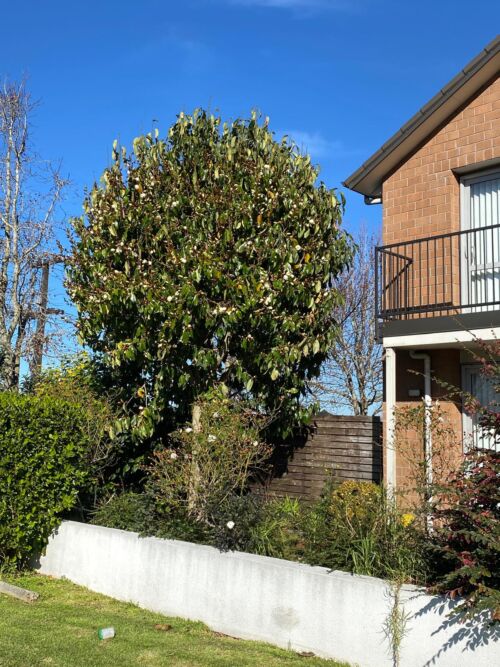
- Michelia ‘Bubbles’ is an evergreen, compact tree that grows to a small or medium size. Its bushy form is enhanced by large, leathery leaves that begin fresh green and mature to a deep, glossy shade. In spring and summer, strongly scented creamy white flowers appear in abundance. They bloom over a long succession, creating a striking display that adds fragrance and beauty to the garden. This cultivar was developed in Whangarei, New Zealand. It is a hybrid of Michelia figo and Michelia doltsopa, both native to Asia, combining their best qualities into one resilient tree. Michelia ‘Bubbles’ thrives in full sun or partial shade. It prefers rich, moisture-retentive yet free-draining soil, making it versatile for different garden conditions. Growing to approximately 4 x 2 metres, it is an excellent choice as a specimen tree. Moreover, it works well as a trimmed shelter screen, offering structure and year-round greenery.
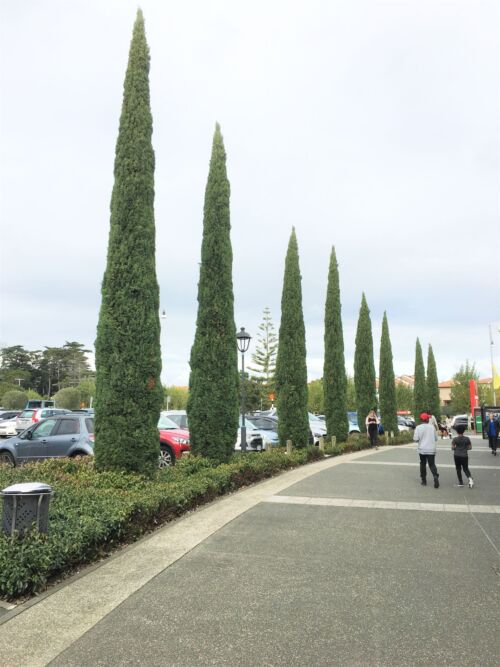
- Cupressus sempervirens 'Totem', commonly known as Totem Cypress, is a tightly upright-growing conifer with striking bluish-green foliage. Notably, these trees are iconic in Italy—especially throughout Tuscany—where they define the landscape and grace Renaissance gardens with timeless elegance. Thanks to their slender, vertical form, Totem Cypresses create bold architectural accents that elevate formal landscapes. Moreover, this cutting-grown cultivar ensures a consistently narrow columnar shape and even growth rate, making it a reliable choice for symmetry and structure. Unlike other varieties, its foliage remains dense and intact, resisting the tendency to “fall out.” Additionally, it offers improved resistance to fungal canker, making it a hardy option for challenging conditions. Often planted in rows as living pillars, it’s ideal for lining entranceways and avenues with a commanding presence. For optimal performance, Totem Cypress prefers drier soil and well-drained sites. Ultimately, it grows to approximately 10 meters tall and 2 meters wide delivering a bold, sculptural impact wherever it’s planted.
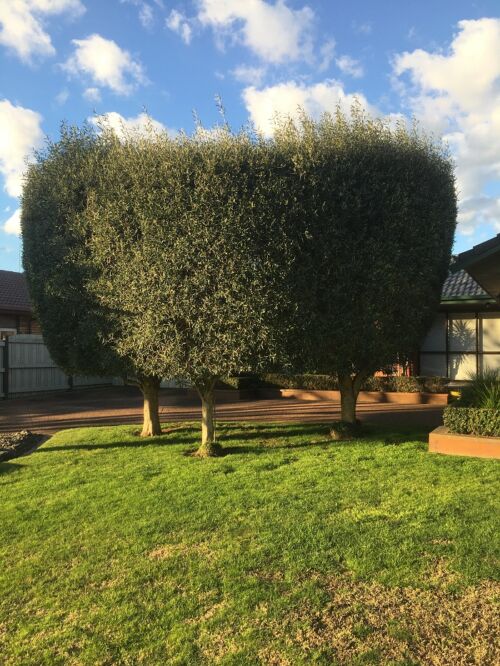
- Olea europaea ‘El Greco’ – Greek Olive is a compact evergreen olive known for its small green leaves and dense, tidy habit. Often used as a hedging olive, it may produce some fruit if left untrimmed, although this is not typical. This variety prefers moist, well‑drained soil but tolerates dry periods once established. Since it originates from the Mediterranean, it thrives in full sun and copes well with wind and coastal conditions. Because of its naturally dense, bushy form, ‘El Greco’ easily trims into neat low or tall hedges, making it ideal for smaller gardens. It grows to approximately 3 × 2 metres.
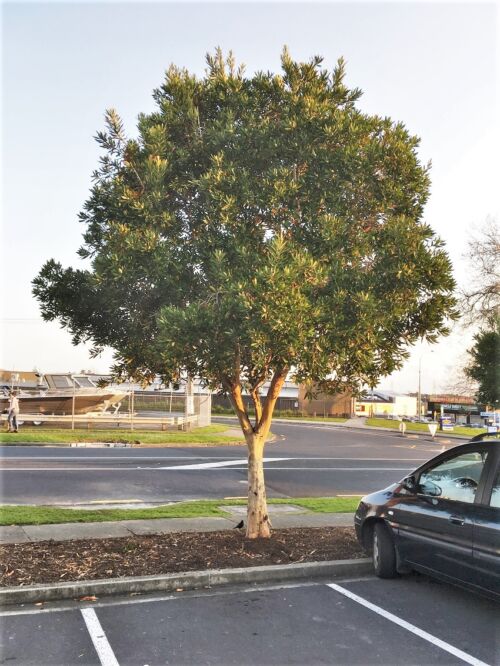
- Tristaniopsis laurina – Kanooka or Water Gum is a medium-sized evergreen tree with a rounded, compact form. Its dark, glossy green leaves provide year-round appeal, making it a striking feature in any landscape. Native to Australia, this tree produces clusters of small, fragrant yellow flowers during summer. These blooms not only enhance its beauty but also attract pollinators, bringing extra life and movement to your garden. Kanooka Water Gum tolerates clay soils, yet it performs best in moist, well-drained conditions. For optimal growth and colour, plant it in full sun while avoiding sites that are overly wet or dry. Versatile and adaptable, it suits street planting, lawn specimens, and smaller gardens where shade is desired. Typically reaching 7 metres tall and 4 metres wide, it can also be pruned to maintain a neat, compact shape.
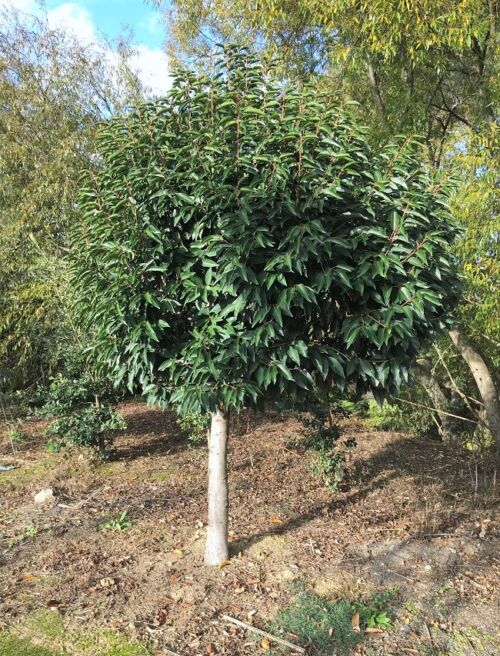
- Prunus lusitanica - Portuguese Laurel, is a versatile evergreen shrub or small tree with dark, glossy green oval leaves. Native to Western Europe, including regions of France, Spain, Portugal, and Morocco, it brings both structure and elegance to garden landscapes. In late spring to summer, it produces white flowers with a subtle hawthorn-like scent, arranged in long, slender racemes. These are soon followed by small fruits, adding further seasonal interest. Moreover, this plant thrives in moist, well-drained soils, though it will not tolerate waterlogged conditions. Therefore, it’s best planted in a sunny, sheltered position to ensure healthy growth. Thanks to its dense foliage and upright habit, Portuguese Laurel is excellent for trimming into formal hedges or shaping into a clipped screen. Additionally, it can be trained as a pleached hedge or sculpted into topiary forms, offering flexibility for both traditional and contemporary garden designs. Typically growing to approximately 5 x 4 metres, it makes a bold yet refined statement in any outdoor space. The name lusitanica refers to Lusitania, the ancient Roman name for Portugal, highlighting its rich heritage.
- Ficus hillii – Hills Weeping Fig is a medium-sized evergreen tree native to Australia. Its lush lime green leaves and drooping branches create a soft, tropical feel, perfect for adding greenery to compact garden spaces. Thriving in full sun, it prefers moist, well-drained soil and adapts well to a variety of planting styles. It’s ideal for small gardens, either as a hedge or trimmed into a larger screen. This versatile fig is also suitable for pleached hedges and can be trained as a standard in your favourite pot for a formal look. Typically, it grows to around 6 metres tall and 3 metres wide, making it a practical and attractive choice for structured planting.
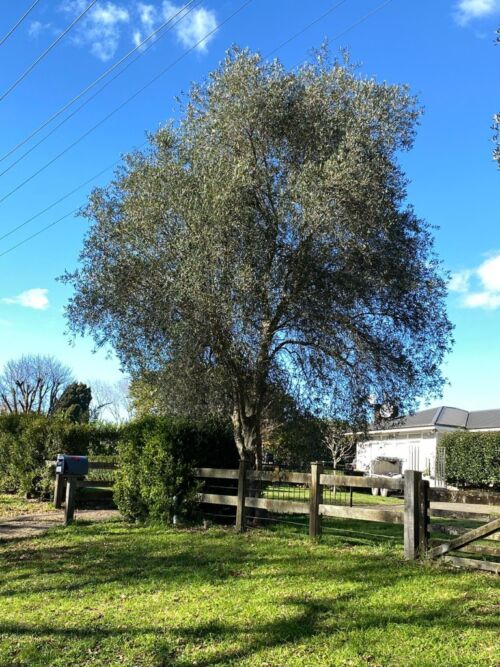
- Olea europaea ‘Ascolano’ is a rounded, moderately fast-growing evergreen with a bushy habit. It features silvery-green, leathery leaves and strong, rigid branches. This variety is well known for producing large, mild table olives, making it both ornamental and productive. Ascolano is suitable for hedging or screening and can also be left to grow as a specimen tree. When mature, it reaches approximately 6 x 3 metres, offering structure and beauty in the landscape. Originating from the Marche and Tuscany regions of Italy, Ascolano thrives in full sun and well-drained soil. Once established, it tolerates wind, coastal conditions, and dry spells, making it a hardy and versatile choice for gardens.
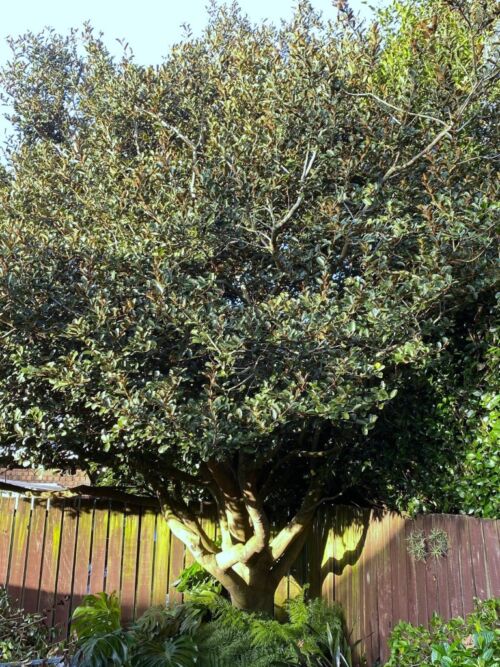
- Michelia ‘Gracipes’ is a compact, evergreen tree with a rounded form, making it ideal for smaller gardens. Its dark, olive-green leaves feature a distinctive brown felt underside, adding subtle texture and year-round interest. From late winter into early spring, this wonderful tree produces small, round, perfumed cream flowers with prominent stamens. These blooms emerge from furry brown buds, creating a charming and fragrant display. For best results, plant in moist, well-drained soil in a sheltered, sunny position. While it is slow-growing, it responds well to trimming and can be shaped into a hedge or left to grow on showcased as a specimen tree. Interestingly, Michelia ‘Gracipes’ was bred and developed in New Zealand. Although its lineage may include Chinese species such as Michelia yunnanensis, this particular cultivar is proudly of New Zealand origin. It prefers protection from strong winds so it’s well-suited to sheltered urban gardens. Reaching approximately 4 x 3 metres at maturity, it offers compact beauty and refined structure.
- Olea europaea, commonly known as the European olive, is a versatile and iconic tree traditionally found throughout the Mediterranean Basin. Although native to this region, it is now widely cultivated across the globe, including Australia, New Zealand, North and South America, and South Africa. Just a few of the many varieties include, Kalamata, Koroneiki, Ascolano, El Greco J5 Typically grown as a small tree, the olive is prized for its fruit, which is harvested for oil, eating, or both. Its adaptability and resilience make it a popular choice for a variety of climates and landscapes. Because it originates from the Mediterranean, Olea europaea thrives in full sun, tolerates coastal winds and extended dry periods once established. It performs well in warmer, sunny environments and is remarkably drought tolerant. In addition, it makes a beautiful lightly dappled shade tree. With a mature size of approximately 7 x 3 metres, it’s ideal for gardens, courtyards, or orchard-style plantings, bringing both ornamental charm and practical value.
- Port Wine Magnolia - Michelia figo is a slow-growing, compact shrub that features a rounded shape and vibrant lime-green foliage. In early spring, it bursts into bloom with masses of small, cream-colored flowers streaked with purple, which release a rich fragrance. As a result, it becomes a standout feature in any garden. Depending on light conditions, the shrub’s form can vary. When grown in shade, it tends to develop a looser, more open structure. Conversely, plants grown in full sun are typically more compact and display denser foliage. Moreover, it thrives in humus-rich, well-drained, slightly acidic soil, making it adaptable to a range of garden environments. Whether planted in sun or shade, Port Wine Magnolia performs beautifully. It can be trimmed into a neat, low hedge, allowed to grow as a striking standalone specimen, or placed in a large decorative pot for added versatility. Originating from Western China, this elegant shrub typically reaches up to 3 metres tall and 2.5 metres wide.
- Laurus nobilis – Bay Laurel is a compact evergreen tree native to the Mediterranean region. Its dark green, leathery leaves are highly aromatic and widely valued for culinary use. In spring, small yellow flowers appear, followed by clusters of dark berries that add seasonal interest. Bay Laurel can be easily trimmed to shape, making it ideal as a screen or hedge. Moreover, it performs beautifully as a standard or ornamental tree, offering versatility in both formal and informal garden designs. This tree prefers moist, well-drained soil, yet it will tolerate drier conditions once established. In addition, it withstands coastal and windy aspects, making it a resilient choice for challenging sites. Mature specimens typically reach around 5 metres high and 3 metres wide. Interestingly, the name nobilis reflects its impressive quality and noble reputation.
- Ficus benjamina ‘Danielle’ is a well-loved indoor plant, yet it also flourishes outdoors in warmer climates. Native to South East Asia and Australia, its compact, bushy form and glossy dark green leaves bring a lush, tropical feel to any garden. This variety thrives in a sheltered position with bright, indirect light. For best results, plant in evenly moist, well-draining soil and protect from harsh conditions. It trims easily, making it perfect for creating neat, green hedges or shaped screens in smaller spaces. Indoors, its height varies depending on the container, often reaching up to 2.5 metres. Outdoors, it can grow to around 4 metres and responds well to regular pruning to maintain its form.
- The most commonly grown Avocado variety in the world. Forms a handsome round tree with large green tropical looking leaves. Flowers are small, cream. "A" type blossom. Produces medium sized fruit with pebbly thick skin, which darkens when ripe. Smooth texture with high oil content and very nutty rich taste. Self-fertile but will produce better if cross pollinated with a "B" type such as Fuerte or Bacon Harvest November to March. Grows to apx 6 x 4m
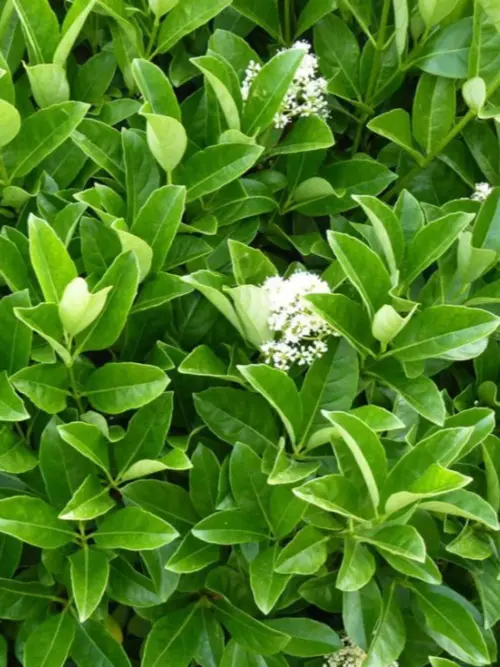
- Viburnum odoratissimum ‘Dense Fence’ is an evergreen shrub bred to create fast-growing, dense hedges. As a result, it provides excellent screening and privacy in gardens or landscapes. Its glossy, dark green leaves emerge with a striking red flush, while clusters of fragrant white flowers appear in spring. Consequently, the shrub offers year-round interest with minimal pruning required to maintain a tidy hedge. This hardy plant prefers moist, well-drained soil in full sun to partial shade. Moreover, once established, it tolerates light frost and grows to approximately 3 x 2 metres. Interestingly, the epithet odoratissimum comes from Latin, meaning “very fragrant” or “most fragrant,” perfectly reflecting its delightful spring bloom
- Flower Fragrant? Yes
- Tupidanthus calyptratus - Mallet Flower, is a fast-growing tropical evergreen that adds lush vibrancy to any garden. Its glossy, bright green palmate leaves droop gracefully, creating a soft, weeping effect. In spring and summer, green buds emerge and bloom into tiny white flowers. These sit atop structures resembling small mallets—hence the name “Mallet Flower” and its botanical title, "calyptratus". Mallet Flower thrives in moist, well-drained soil and prefers full sun. It typically grows to around 6 metres tall and 4 metres wide, is easily trimmed to shape and height, making it ideal for tropical landscaping.
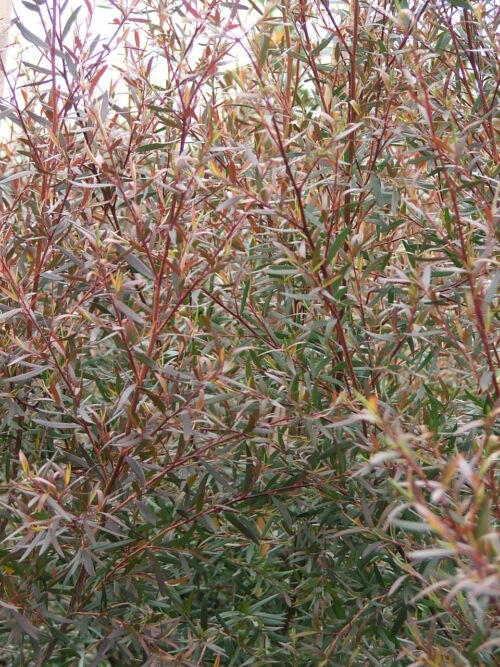
- Leptospermum nitidum ‘Coppersheen’ is a popular, fast-growing evergreen native to Tasmania. It is admired for its striking bronze-red foliage, red stems, and masses of white flowers that bloom profusely in summer, adding vibrant contrast to the garden. Easily trimmed, Coppersheen makes an excellent hedge or larger screen. When left to grow naturally, it reaches approximately 6 x 4 metres, forming a spreading tree with strong visual appeal. This hardy plant tolerates drought and coastal conditions. It grows best in full sun with moist, well-drained soil, making it a versatile choice for many landscapes.
- Fraxinus griffithii, commonly known as Evergreen Ash, is a fast-growing tree with a rounded form. Its dark green pinnate leaflets create lush foliage, while masses of small white fragrant flowers appear in large, loose panicles during spring, almost covering the entire tree. This hardy tree performs best in well-drained soil and becomes drought tolerant once established. However, avoid waterlogged areas to prevent root rot. Although evergreen, Evergreen Ash can become semi-deciduous in colder climates. It grows to around 6 x 4 metres, forming a beautiful shade tree for gardens and landscapes. The tree is easily clipped to maintain shape and height, making it versatile for design. Very hardy, it also thrives in industrial sites, carparks, and coastal areas, offering resilience and reliability in challenging conditions.
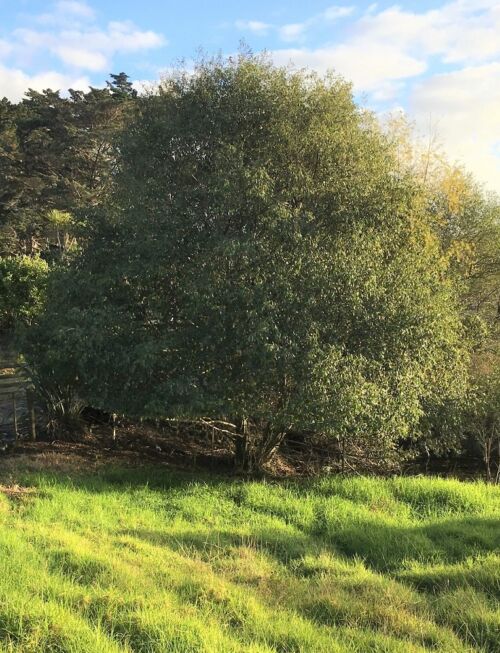
- Alnus jorullensis, commonly known as the Evergreen or Mexican Alder, is a vigorous, fast-growing tree and as the name suggests, native to Mexico and South America. This species thrives in warmer climates, where it often remains evergreen throughout the year. With pale, papery grey bark and green, birch-like serrated foliage, it offers a soft, elegant appearance. Its drooping branches add a graceful touch to any landscape. Moreover, this tree is highly adaptable—it can fix nitrogen and tolerates poor, clay, damp, or even wet soils, making it a resilient choice for challenging sites. Thanks to its rapid growth and tolerance for trimming, Alnus jorullensis is ideal for creating shelter belts or privacy screens. Alternatively, it can be planted as a striking standalone shade tree, especially in areas where quick canopy cover is desired. Growing to approximately 7 metres tall and 3 metres wide, this versatile tree brings both beauty and function to gardens, rural properties, coastal and urban landscapes alike.