CALL US:  0800 223 313  |  FOLLOW US:

bbn new logo

Fruit Trees

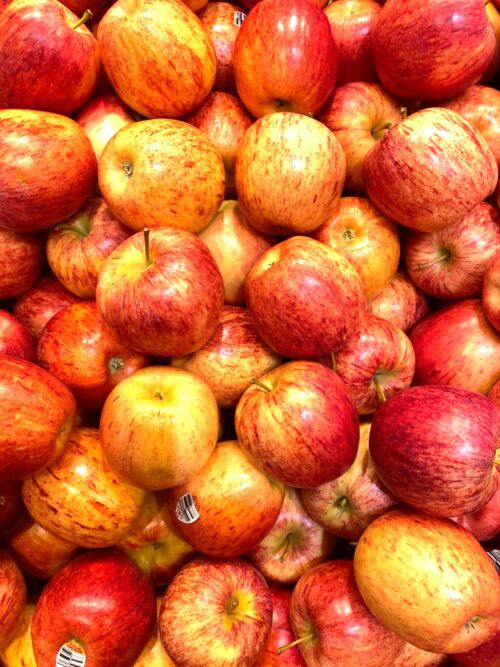
  • Apple 'Royal Gala' fruit
    Select options This product has multiple variants. The options may be chosen on the product page / Details Quick View
    Apple ‘Royal Gala’ Espalier with 3 horizontal levels
    Espaliers are a great way to save space, making them ideal for small gardens while still producing abundant fruit. The basic principles of apple espalier involve training branches horizontally along a support and pruning regularly to maintain shape, encourage fruiting spurs, and improve airflow. Pruning is best done in late summer to control growth and in winter to establish structure.
    1. Winter annual Pruning guidelines (Structural Training):
    • Focus on shaping the tree.
    • Select strong shoots to form horizontal tiers.
    • Remove unwanted vertical growth and shorten side shoots to encourage spur formation.
    1. Summer annual Pruning (Growth Control):
    • Best done around December
    • Cut back vigorous upright shoots that drain energy but don’t produce fruit.
    • Leave short, stubby shoots (spurs), as these are the ones that will bear apples.
    Summary Espalier pruning is about balance: winter pruning builds the framework, while summer pruning controls growth and directs energy into fruiting spurs. By following these principles, you’ll create a healthy, productive apple espalier that is both ornamental and practical. Apple “Royal Gala” is a deciduous fruit tree that produces apples with a striking red stripe over a golden-yellow blush. Originating in New Zealand during the 1930s, it was developed by horticulturist J.H. Kidd as a cross between Kidd's Orange Red and Golden Delicious. Since then, it has become one of the world’s most popular apple varieties. In spring, the tree bursts into life with clusters of white flowers tinged with pink. As summer advances, the fruit steadily develops until it reaches harvest time between February and March each year. This heritage variety is highly prized for its pure white, sweet, and very crisp flesh. Because of its firm texture and refreshing flavour, Royal Gala is a favourite eating apple. Moreover, it is also enjoyed as a versatile dessert apple. Apple trees thrive in well-drained, fertile soils. Furthermore, they prefer sunny, sheltered positions to maximize fruit production. With the right conditions, Royal Gala trees grow to a height of 4–5 meters, making them suitable for both home gardens and orchards. To ensure healthy growth, provide seasonal feeding and deep watering during dry spells. Additionally, apply mulch to retain soil moisture and prune annually. These steps help shape the tree and encourage abundant fruiting year after year.
    • Growth Rate: Moderate
    • Plant Type: Tree
    • Shape / Habit: Round
    • Deciduous / Evergreen: Deciduous
    • Country of Origin: New Zealand
    • Similar to Consider: Other apples
    • Leaf Colour: Green
    • Flower Colour: White
    • Soil Conditions: Moist well drained
    • Climate Conditions: Prefers sheltered
    • Uses: Fruit producing, Bird feeding, Small garden
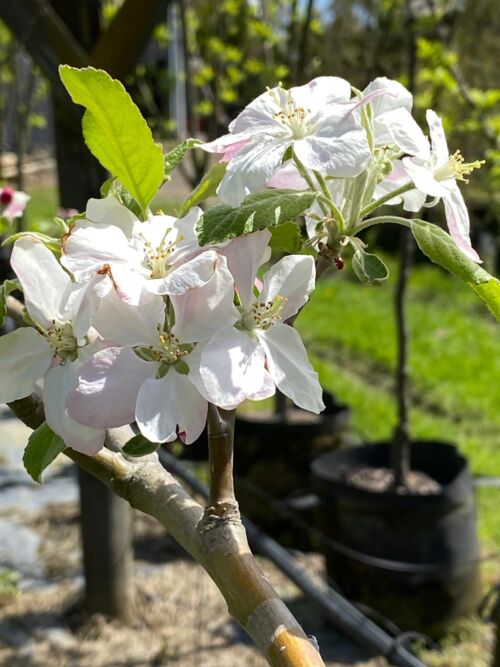
  • Apple 'Fuji" white spring flowers
    Select options This product has multiple variants. The options may be chosen on the product page / Details Quick View

    Apple ‘Fuji’ Espalier

    Retail Price:
    $880.00
    Apple ‘Fuji’ Espalier with 3 horizontal levels
    Espaliers are a great way to save space, making them ideal for small gardens while still producing abundant fruit. The basic principles of apple espalier involve training branches horizontally along a support and pruning regularly to maintain shape, encourage fruiting spurs, and improve airflow. Pruning is best done in late summer to control growth and in winter to establish structure.
    1. Winter annual Pruning guidelines (Structural Training):
    • Focus on shaping the tree.
    • Select strong shoots to form horizontal tiers.
    • Remove unwanted vertical growth and shorten side shoots to encourage spur formation.
    1. Summer annual Pruning (Growth Control):
    • Best done around December
    • Cut back vigorous upright shoots that drain energy but don’t produce fruit.
    • Leave short, stubby shoots (spurs), as these are the ones that will bear apples.
    Summary Espalier pruning is about balance: winter pruning builds the framework, while summer pruning controls growth and directs energy into fruiting spurs. By following these principles, you’ll create a healthy, productive apple espalier that is both ornamental and practical. Apple “Fuji” is a deciduous fruit tree that produces vibrant red apples with a yellow base. Originating in Japan during the 1930s, it quickly became a popular variety worldwide. Today, it remains a heritage apple that continues to impress growers and consumers alike. In spring, the tree bursts into life with delicate white flowers blushed with pink. As summer progresses, the fruit steadily matures until it is ready for harvest around May each year. This variety is highly valued for its large, sweet, and crisp apples with fine texture. Moreover, Fuji apples are excellent for eating fresh and store remarkably well, making them a reliable choice for long-term enjoyment. Apple trees thrive in well-drained, fertile soils. Furthermore, they prefer sunny, sheltered positions to maximize fruit production. With the right growing conditions, Fuji trees reach a height of 4–5 meters, making them suitable for both home gardens and orchards. To encourage healthy growth, provide seasonal feeding and deep watering during dry spells. Additionally, apply mulch to retain soil moisture and prune annually. These steps help shape the tree and ensure abundant fruiting year after year.
    • Growth Rate: Moderate
    • Plant Type: Tree
    • Shape / Habit: Round
    • Deciduous / Evergreen: Deciduous
    • Country of Origin: Japan
    • Similar to Consider: Other apples
    • Leaf Colour: Green
    • Flower Colour: White
    • Soil Conditions: Moist well drained
    • Climate Conditions: Prefers sheltered
    • Uses: Fruit producing, Bird feeding, Small Garden
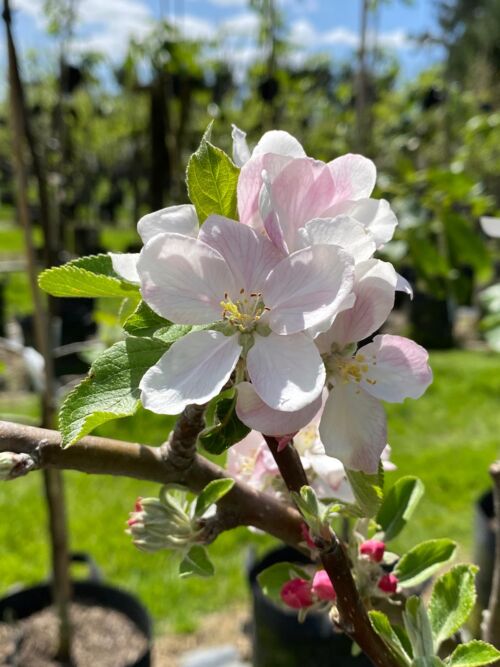
  • Apple 'Granny Smith' white blushed pink flower and red buds spring
    Select options This product has multiple variants. The options may be chosen on the product page / Details Quick View
    Apple ‘Granny Smith’ Espalier with 3 horizontal levels.
    Espaliers are a great way to save space, making them ideal for small gardens while still producing abundant fruit. The basic principles of apple espalier involve training branches horizontally along a support and pruning regularly to maintain shape, encourage fruiting spurs, and improve airflow. Pruning is best done in late summer to control growth and in winter to establish structure.
    1. Winter annual Pruning guidelines (Structural Training):
    • Focus on shaping the tree.
    • Select strong shoots to form horizontal tiers.
    • Remove unwanted vertical growth and shorten side shoots to encourage spur formation.
    1. Summer annual Pruning (Growth Control):
    • Best done around December
    • Cut back vigorous upright shoots that drain energy but don’t produce fruit.
    • Leave short, stubby shoots (spurs), as these are the ones that will bear apples.
    Summary Espalier pruning is about balance: winter pruning builds the framework, while summer pruning controls growth and directs energy into fruiting spurs. By following these principles, you’ll create a healthy, productive apple espalier that is both ornamental and practical Apple ‘Granny Smith’ is one of the most iconic apples in New Zealand. Originating in Australia in 1868, this deciduous fruit tree produces apples with a distinctive green skin. Known worldwide, it remains a heritage variety that continues to delight growers and consumers alike. In spring, the tree bursts into life with white flowers tinged with pink. As summer advances, the fruit steadily matures until it reaches harvest time around May each year. This variety is highly prized for its crisp, juicy flesh and refreshing tart flavour. Consequently, it has become a favourite among apple lovers for generations, enjoyed both raw and in cooking. Its unique taste ensures it stands out from other apple varieties. Apple trees thrive best in well-drained, fertile soils. Moreover, they prefer sunny, sheltered positions to maximize fruit production. With the right growing conditions, Granny Smith trees reach a height of 4–5 meters, making them suitable for home orchards and larger gardens. To promote healthy growth, provide seasonal feeding and deep watering during dry spells. Additionally, apply mulch to retain soil moisture and prune annually. These steps encourage abundant fruiting and help maintain the tree’s attractive shape.
    • Growth Rate: Moderate
    • Plant Type: Tree
    • Shape / Habit: Espalier
    • Deciduous / Evergreen: Deciduous
    • Country of Origin: Australia
    • Similar to Consider: Other apples
    • Leaf Colour: Green
    • Flower Colour: White
    • Soil Conditions: Moist well drained
    • Climate Conditions: Prefers sheltered
    • Uses: Fruit producing, Bird feeding, Small Garden
  • Apple 'Braeburn' white spring flowers
    Select options This product has multiple variants. The options may be chosen on the product page / Details Quick View

    Apple ‘Braeburn’ Espalier

    Retail Price:
    $880.00
    Apple 'Braeburn' Espalier with 3 horizontal levels.
    Espaliers are a great way to save space, making them ideal for small gardens while still producing abundant fruit. The basic principles of apple espalier involve training branches horizontally along a support and pruning regularly to maintain shape, encourage fruiting spurs, and improve airflow. Pruning is best done in late summer to control growth and in winter to establish structure.
    1. Winter annual Pruning guidelines (Structural Training):
    • Focus on shaping the tree.
    • Select strong shoots to form horizontal tiers.
    • Remove unwanted vertical growth and shorten side shoots to encourage spur formation.
    1. Summer annual Pruning (Growth Control):
    • Best done around December
    • Cut back vigorous upright shoots that drain energy but don’t produce fruit.
    • Leave short, stubby shoots (spurs), as these are the ones that will bear apples.
    Summary Espalier pruning is about balance: winter pruning builds the framework, while summer pruning controls growth and directs energy into fruiting spurs. By following these principles, you’ll create a healthy, productive apple espalier that is both ornamental and practical   Apple ‘Braeburn’ is a deciduous fruit tree that produces striking apples with red and yellow-striped skin. Originating in New Zealand in 1952 as a chance seedling, it quickly gained recognition for its quality and flavour. In spring, the tree bursts into bloom with clusters of white flowers. As summer advances, the fruit develops until it reaches full ripeness, ready for harvest around May each year. This heritage variety is celebrated for its crisp, juicy white flesh and superb sweet-tart flavour. Its distinctive taste has made it a favourite among apple lovers and continues to delight generations of growers and consumers. Apple trees thrive best in well-drained, fertile soils and prefer a sunny, sheltered position to maximize fruit production. Under ideal conditions, they grow to a height of 4–5 meters, making them suitable for both home gardens and orchards. For healthy growth, provide seasonal feeding and deep watering during dry spells. Moreover, apply mulch to conserve moisture and prune annually to shape the tree, ensuring strong structure and abundant fruiting year after year..
    • Growth Rate: Moderate
    • Plant Type: Tree
    • Shape / Habit: Espalier
    • Deciduous / Evergreen: Deciduous
    • Country of Origin: Cultivated in New Zealand
    • Similar to Consider: Other Apples, Apricots, Pears, Peaches, Plums, Nectarines
    • Leaf Colour: Green
    • Autumn Colour: Yellow
    • Flower Colour: White
    • Flower Fragrant? No
    • Soil Conditions: Moist well drained
    • Climate Conditions: Prefers sheltered position. Prefers full sun
    • Uses: Fruit Producing, Small Garden, Bird Feeding
  • Apple 'Cox’s Orange' white blushed pink spring flower
    Select options This product has multiple variants. The options may be chosen on the product page / Details Quick View
    Apple 'Cox’s Orange' Espalier with 3 horizontal levels.
    Espaliers are a great way to save space, making them ideal for small gardens while still producing abundant fruit. The basic principles of apple espalier involve training branches horizontally along a support and pruning regularly to maintain shape, encourage fruiting spurs, and improve airflow. Pruning is best done in late summer to control growth and in winter to establish structure.
    1. Winter annual Pruning guidelines (Structural Training):
    • Focus on shaping the tree.
    • Select strong shoots to form horizontal tiers.
    • Remove unwanted vertical growth and shorten side shoots to encourage spur formation.
    1. Summer annual Pruning (Growth Control):
    • Best done around December
    • Cut back vigorous upright shoots that drain energy but don’t produce fruit.
    • Leave short, stubby shoots (spurs), as these are the ones that will bear apples.
    Summary Espalier pruning is about balance: winter pruning builds the framework, while summer pruning controls growth and directs energy into fruiting spurs. By following these principles, you’ll create a healthy, productive apple espalier that is both ornamental and practical Apple ‘Cox’s Orange’ is a deciduous fruit tree that produces greenish-yellow apples with striking orange-red striping. Widely regarded as one of the finest apples ever grown, it combines beauty with exceptional flavour. In spring, the tree bursts into life with white flowers blushed pink. As summer progresses, the fruit matures until it is ready for harvest between January and February. This heritage variety is prized for its rich, aromatic flesh with a subtle nutty flavour. Its unique taste has made it a favourite among apple enthusiasts for generations. Apple trees thrive in well-drained, fertile soils and prefer a sunny, sheltered position to maximize fruit production. With the right conditions, they grow to a height of 4–5 meters. To ensure healthy growth, provide seasonal feeding and deep watering during dry spells. Additionally, apply mulch to retain moisture and prune annually to shape the tree and encourage abundant fruiting.
    • Growth Rate: Moderate
    • Plant Type: Tree
    • Shape / Habit: Espalier
    • Deciduous / Evergreen: Deciduous
    • Country of Origin: Cultivated in England
    • Similar to Consider: Other Apples, Apricots, Pears, Peaches, Plums, Nectarines
    • Leaf Colour: Green
    • Autumn Colour: Yellow
    • Flower Colour: White
    • Flower Fragrant? No
    • Soil Conditions: Moist well drained
    • Climate Conditions: Prefers sheltered position. Prefers full sun
    • Uses: Fruit Producing, Small Garden, Bird Feeding
  • Apple ‘Cox’s Orange’ is a deciduous fruit tree that produces greenish-yellow apples with striking orange-red striping. Widely regarded as one of the finest apples ever grown, it combines beauty with exceptional flavour. In spring, the tree bursts into life with white flowers blushed pink. As summer progresses, the fruit matures until it is ready for harvest between January and February. This heritage variety is prized for its rich, aromatic flesh with a subtle nutty flavour. Its unique taste has made it a favourite among apple enthusiasts for generations. Apple trees thrive in well-drained, fertile soils and prefer a sunny, sheltered position to maximize fruit production. With the right conditions, they grow to a height of 4–5 meters. To ensure healthy growth, provide seasonal feeding and deep watering during dry spells. Additionally, apply mulch to retain moisture and prune annually to shape the tree and encourage abundant fruiting.
    • Height x Width: 5 x 3m
    • Height Range: Small 1-5m
    • Growth Rate: Moderate
    • Plant Type: Tree
    • Shape / Habit: Round
    • Deciduous / Evergreen: Deciduous
    • Country of Origin: Cultivated in England
    • Similar to Consider: Other Apples, Apricots, Pears, Peaches, Plums, Nectarines
    • Leaf Colour: Green
    • Autumn Colour: Yellow
    • Flower Colour: White
    • Flower Fragrant? No
    • Soil Conditions: Moist well drained
    • Climate Conditions: Prefers sheltered position. Prefers full sun
    • Uses: Fruit Producing, Small Garden, Bird Feeding
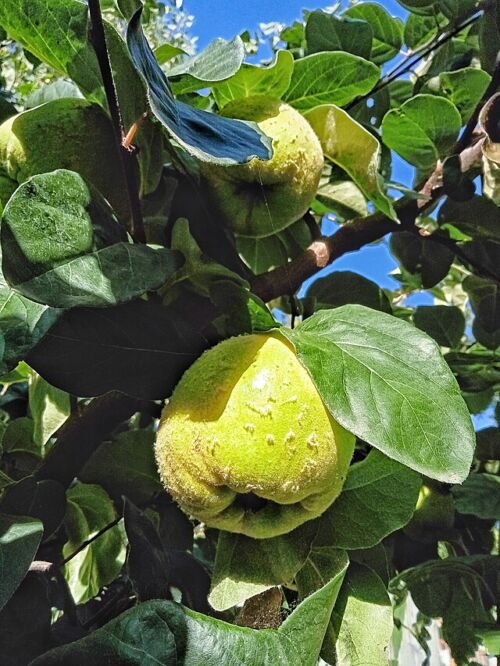
  • Quince 'Van Deman' - Quince fruit
    Select options This product has multiple variants. The options may be chosen on the product page / Details Quick View
    Quince 'Van Deman' is an attractive tree, or multi-stemmed shrub, which features dark green foliage and very showy blossoms in late spring. With its fast growth and elegant form, it quickly becomes a highlight in the garden. The fruit is large, oblong-pear shaped, and bright yellow-orange. Its pale yellow flesh offers a good, spicy flavour. Early ripening and heavy bearing, it proves hardier than many other cultivars, making it a reliable choice for home orchards. Traditionally, quince has been used in marmalades, jellies, and candies. Today, it is also sought after for pastes and other culinary creations. When cooked, the fruit becomes tender and sweet, while its excellent keeping quality ensures long enjoyment. The Van Deman quince was developed in the United States in the 1890s by horticulturist Luther Burbank, who named it after Dr. H.E. Van Deman of the U.S. Department of Agriculture. This variety thrives in deep, fertile, well-draining soil. Self-fertile and harvested around March, it grows to approximately 4m high and wide, offering a manageable size for smaller gardens.
    • Height x Width: 4 x 4m
    • Height Range: Small 1-5m
    • Growth Rate: Fast
    • Plant Type: Tree
    • Shape / Habit: Round
    • Deciduous / Evergreen: Deciduous
    • Country of Origin: Developed in America - Parentage Turkey
    • Similar to Consider: Pears, Apples, Nectarines, Plums, Apricots
    • Leaf Colour: Green
    • Flower Colour: Soft Pink
    • Soil Conditions: Moist well drained
    • Climate Conditions: Prefers sheltered
    • Uses: Fruit Producing, Small Garden
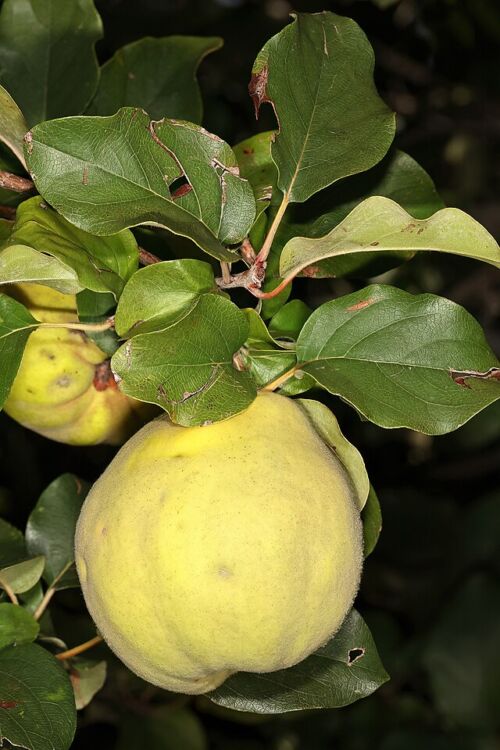
  • Quince 'Smyrna' - Quince yellow fruit
    Select options This product has multiple variants. The options may be chosen on the product page / Details Quick View

    Quince ‘Smyrna’ - Quince

    Retail Price:
    $296.00
    Quince ‘Smyrna’ (Cydonia oblonga ‘Smyrna’) is a deciduous tree, or multi-stemmed shrub, with lush dark green foliage. In late spring, it produces very showy blossoms that bring seasonal charm and elegance to the garden. The fruit is exceptionally large, oblong-pear shaped, and golden yellow. Highly aromatic, it becomes tender and sweet when cooked. Traditionally used in marmalades, jellies, and candies, it is now also prized for pastes and other culinary creations. Fruit from this variety stores well, ensuring long enjoyment. Self-fertile and harvested around March, it provides reliable yields without requiring a pollinator, making it a practical choice for home orchards. Quince has been cultivated since ancient times. Interestingly, the ‘Smyrna’ variety is believed to have originated near the historic city of Smyrna, now modern-day Izmir in Turkey, giving it a rich cultural heritage. Growing to approximately 4m high and wide, it is perfectly suited to smaller gardens. With its manageable size and ornamental appeal, it makes an excellent fruit tree for courtyards and compact landscapes.
    • Height x Width: 4 x 4m
    • Height Range: Small 1-5m
    • Growth Rate: Fast
    • Plant Type: Tree
    • Shape / Habit: Round
    • Deciduous / Evergreen: Deciduous
    • Country of Origin: Turkey
    • Similar to Consider: Pears, Apples, Nectarines, Plums, Apricots
    • Leaf Colour: Green
    • Flower Colour: White blushed soft pink
    • Soil Conditions: Moist well drained
    • Climate Conditions: Prefers sheltered
    • Uses: Fruit Producing, Small Garden
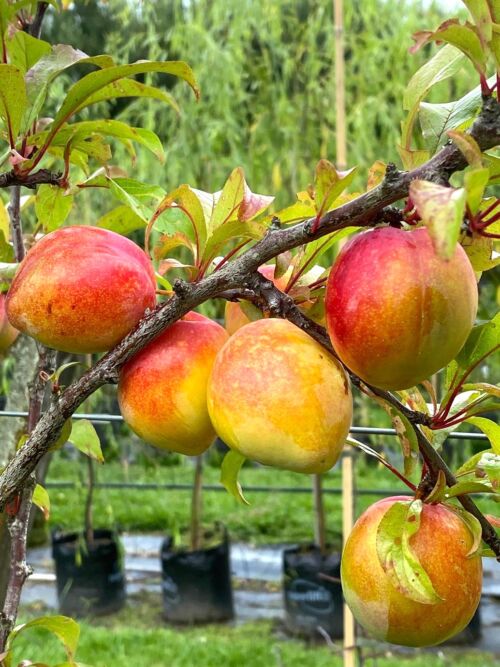
  • Plum ‘Luisa’ (Prunus Domestica - European Plum) Fruit January summer
    Select options This product has multiple variants. The options may be chosen on the product page / Details Quick View
    The Plum ‘Luisa’ (Prunus domestica – European Plum) is a fast-growing, compact deciduous tree with an open habit and dark green foliage. In spring, it bursts into masses of white blossoms that create a striking display.
    After flowering, the tree produces large, uniquely heart‑shaped plums. They have yellow‑orange skin with very sweet, juicy, yellow flesh, and they are semi‑freestone. You can expect harvests around January to February. This self‑fertile New Zealand variety grows to approximately 5 x 3 metres making it an excellent choice for smaller gardens. It thrives in moist, well-drained soil and full sun, which helps maximise cropping and ripening. ‘Luisa’ was originally discovered in Hamilton, making it a uniquely local favourite.
    • Height x Width: 4 x 3m
    • Height Range: Small 1-5m
    • Growth Rate: Fast
    • Plant Type: Tree
    • Shape / Habit: Vase
    • Deciduous / Evergreen: Deciduous
    • Country of Origin: New Zealand
    • Similar to Consider: Other Plums
    • Leaf Colour: Green
    • Leaf Autumn Colour: Yellow
    • Flower Colour: White
    • Soil Conditions: Moist well drained
    • Climate Conditions: Prefers sheltered
    • Uses: Bird feeding, Fruit Producing, Small Garden.
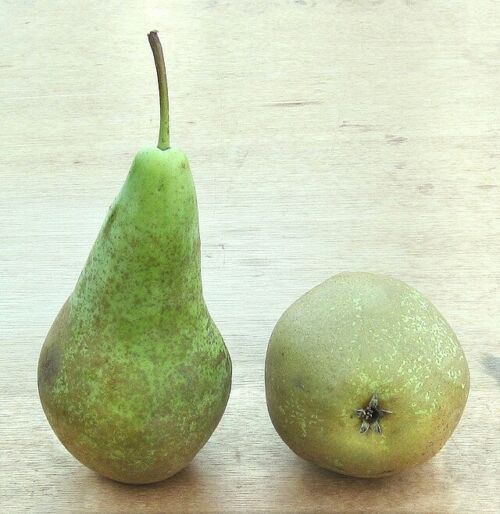
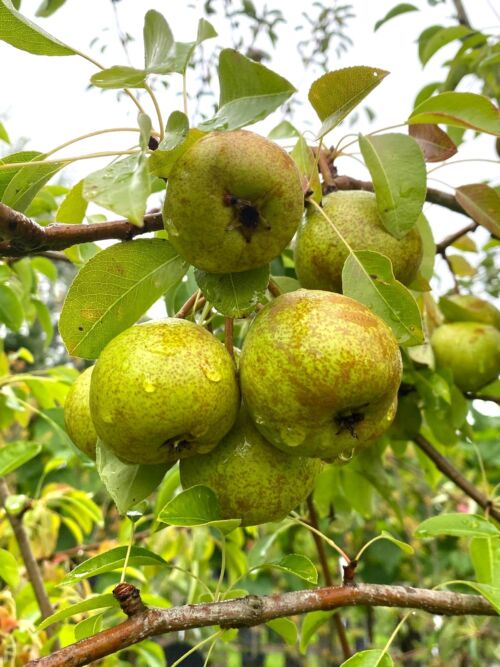
  • Pear ‘Conference’ (Pyrus communis) fruit
    Select options This product has multiple variants. The options may be chosen on the product page / Details Quick View
    a { text-decoration: none; color: #464feb; } tr th, tr td { border: 1px solid #e6e6e6; } tr th { background-color: #f5f5f5; }
    Pear ‘Conference’ (Pyrus communis) is a heritage deciduous fruit tree that originated in England. It shows a strong, upright growth habit, often appearing dense and naturally columnar. Because it grows taller than it does wide, it fits well into many garden spaces. The fruit has a classic long neck, green skin with light russeting, and a juicy, sweet flavour. Trees grow best in full sun and benefit from shelter from strong winds. They also prefer deep, fertile, well‑drained soil. The name ‘Conference’ comes from the National British Pear Conference held in London in 1885, where the variety won first prize. It is partially self‑fertile and typically harvests around March to April. Reaching approximately 4 × 3 metres, it makes an ideal addition to home orchards and gardens.
    • Height x Width: 4 x 3m
    • Height Range: Small 1-5m
    • Growth Rate: Moderate - Fast
    • Plant Type: Tree
    • Shape / Habit: Columnar
    • Deciduous / Evergreen: Deciduous
    • Country of Origin: England
    • Similar to Consider: Other Pears
    • Leaf Colour: Green
    • Leaf Autumn Colour: Yellows and Oranges
    • Soil Conditions: Moist well drained
    • Climate Conditions: Prefers sheltered in full sun
    • Uses: Bird Feeding, Fruit Producing, Small Garden
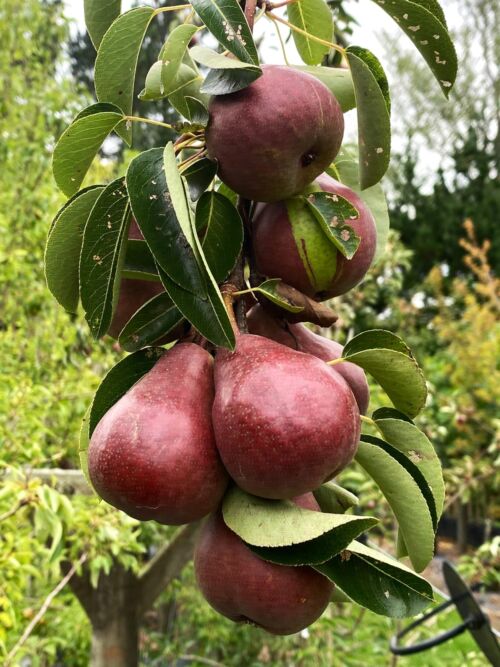
  • Pear ‘Red Bartlett’ (Pyrus communis) Red fruit January - Summer
    Select options This product has multiple variants. The options may be chosen on the product page / Details Quick View
    Pear Red Bartlett’ is a compact, deciduous fruit tree from the USA. In spring, upright branches carry glossy green leaves and an abundance of white blossom. Then, medium‑to‑large purple‑red fruit form through summer, ripening for harvest in March–April. You can enjoy this versatile pear fresh, preserved, baked, or poached.
    Moreover, ‘Red Bartlett’ thrives in full sun and moist, well‑drained soil, which improves cropping and ripening. Recommended pollinators include Conference, Doyenne du Comice, Packhams, and Winter Nelis. Finally, it grows to around 4 × 3 metres, so it suits smaller gardens beautifully.
    • Height x Width: 4 x 3m
    • Height Range: Small 1-5m
    • Growth Rate: Moderate - Fast
    • Plant Type: Tree
    • Shape / Habit: Upright
    • Deciduous / Evergreen: Deciduous
    • Country of Origin: USA
    • Similar to Consider: Other Pears
    • Leaf Colour: Green
    • Leaf Autumn Colour: Yellows and Oranges
    • Soil Conditions: Moist well drained
    • Climate Conditions: Prefers sheltered
    • Uses: Bird Feeding, Fruit Producing, Small Garden
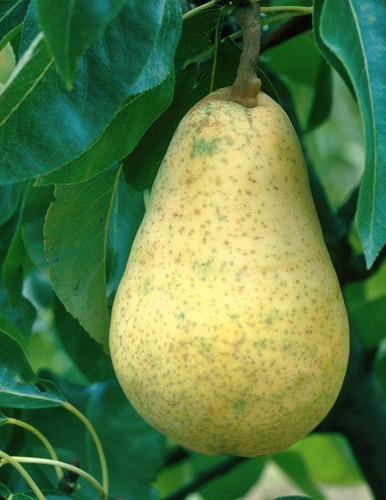
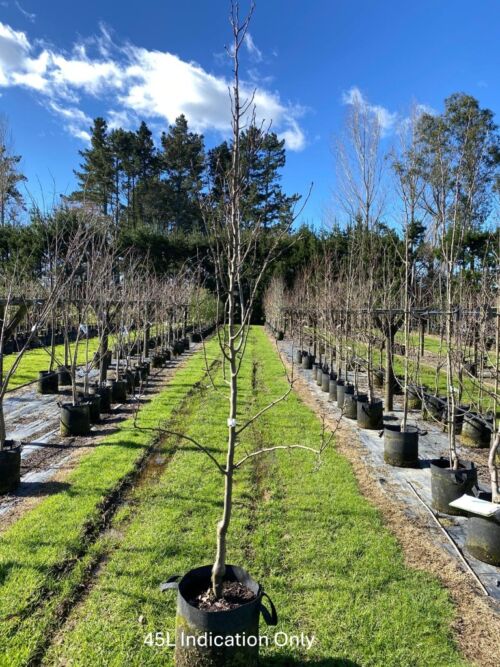
  • Pear ‘ Williams Bon Chretien’ (Pyrus communis) is a large long necked, green- yellow fruit, that is ideal for eating and bottling. Harvest is apx Feb March. Branches are more horizontal making it an excellent choice for espaliering. Also known as the Bartlett pear. HERITAGE Pollinators: Beurre Bosc Winter Nelis, Conference, Doyenne du Comice.
    • Height x Width: 5 x 3m
    • Height Range: Small 1-5m
    • Growth Rate: Moderate - Fast
    • Plant Type: Tree
    • Shape / Habit: Spreading
    • Deciduous / Evergreen: Deciduous
    • Country of Origin: England
    • Similar to Consider: Other Pears
    • Leaf Colour: Green
    • Leaf Autumn Colour: Yellows and Oranges
    • Soil Conditions: Moist well drained
    • Climate Conditions: Prefers sheltered
    • Uses: Bird Feeding, Fruit Producing, Small Garden
  • Pear ‘Winter Cole’ (Pyrus communis) summer fruit
    Select options This product has multiple variants. The options may be chosen on the product page / Details Quick View
    Pear ‘Winter Cole’ (Pyrus communis) is a vigorous yet compact deciduous tree originating from Australia. Its upright, spreading branches carry fresh green leaves through summer, which then shift to warm yellows and oranges in autumn. In spring, the tree bursts into masses of white blossom, creating a striking display.
    By late autumn, you can harvest its green, lightly russeted fruit. The pears have juicy, sweet, richly flavored white flesh. They also store exceptionally well, making them ideal for winter eating. As a reliable and prolific cropper, ‘Winter Cole’ suits both beginners and experienced growers. Reaching approximately 4 × 3 metres, this heritage variety is perfect for smaller gardens. It thrives in full sun and moist, well‑drained soil, which helps improve cropping and ripening. Its long cultivation history reflects its enduring quality and charm.
    • Height x Width: 4 x 3m
    • Height Range: Small 1-5m
    • Growth Rate: Moderate - Fast
    • Plant Type: Tree
    • Shape / Habit: Upright - Spreading
    • Deciduous / Evergreen: Deciduous
    • Country of Origin: Australia
    • Similar to Consider: Other Pears
    • Leaf Colour: Green
    • Leaf Autumn Colour: Yellows and Oranges
    • Soil Conditions: Moist well drained
    • Climate Conditions: Prefers sheltered
    • Uses: Bird Feeding, Fruit Producing, Small Garden
  • Select options This product has multiple variants. The options may be chosen on the product page / Details Quick View
    A very good late eating pear with excellent storage. Small green fruit with reddish russet patches and buttery, rich flavoured flesh. Very hardy, but best in a warm site. Harvest apx April May. Pollinators: Beurre Bosc, William Bon Chretien. HERITAGE
    Height x Width: 5 x 3m
    Height Range: Small 1-5m
    Growth Rate: Moderate - Fast
    Plant Type: Tree
    Shape / Habit: Upright
    Deciduous / Evergreen: Deciduous
    Country of Origin: Belgium
    Similar to Consider: Other Pears
    Leaf Colour: Green
    Leaf Autumn Colour: Yellows and Oranges
    Soil Conditions: Moist well drained
    Climate Conditions: Prefers sheltered
    Uses: Bird Feeding, Fruit Producing, Small Garden
  • Persimmon ‘Fuyu’ - Persimmon in orange autumn leaves and fruit
    Select options This product has multiple variants. The options may be chosen on the product page / Details Quick View
    Persimmon ‘Fuyu’ is a deciduous, small, round, spreading tree with large glossy green leaves. In autumn, the foliage transforms into vibrant shades of red, orange, and yellow, creating a striking seasonal display. ‘Fuyu’ is the most popular commercial variety grown. Its medium to large, deep orange fruit is non-astringent, sweet, and of excellent quality. Harvest typically occurs from May to July. The fruit can be eaten fresh like an apple, sliced, dried, or made into jam and chutney. Persimmons prefer moist yet well-drained soil and perform best in full sun. Furthermore, ‘Fuyu’ is self-fertile, making it easy to grow. This variety reaches approximately 5m tall by 4m wide, forming a compact and productive tree. The ‘Fuyu’ persimmon is a Japanese cultivar that originated in China before being introduced to Japan, where it was widely cultivated and admired.
    • Height x Width: 5 x 4m
    • Height Range: Medium 5-10m
    • Growth Rate: Moderate
    • Plant Type: Tree
    • Shape / Habit: Round - Spreading
    • Deciduous / Evergreen: Deciduous
    • Country of Origin: Japan
    • Similar to Consider: Apples, Pears
    • Leaf Colour: Green
    • Leaf Autumn Colour: Reds oranges and yellows
    • Soil Conditions: Moist well drained
    • Climate Conditions: Prefers sheltered
    • Uses: Bird Feeding, Fruit Producing, Shade Tree, Small Garden
  • Pinus pinea - Italian Stone Pine needles
    Select options This product has multiple variants. The options may be chosen on the product page / Details Quick View

    Pinus pinea - Italian Stone Pine

    Retail Price:
    $8,640.00
    Pinus pinea – Italian Stone Pine is an evergreen tree celebrated for its edible pine nuts. This striking ornamental species displays long, slender needles typical of pines, adding texture and elegance to any landscape. With its distinctive growth habit, the Italian Stone Pine forms a stout, bushy globe. Over time, it develops a thick trunk and numerous branches that create its signature dense, rounded, and flattened crown. Well-suited to sandy soils, this tree tolerates both wind and coastal conditions. Pine nuts ripen in autumn, offering a seasonal culinary delight. Also suitable as a shade tree. Mature trees typically reach around 8 x 5 metres. However, they can be trimmed to maintain shape and height, making them versatile for gardens, avenues, or larger landscapes.
    Height x Width: 8 x 5m
    Height Range: Medium 5-10m
    Growth Rate: Moderate
    Plant Type: Tree
    Shape / Habit: Round - Spreading
    Deciduous / Evergreen: Evergreen
    Country of Origin: Mediterranean region
    Similar to Consider: Pinus thunbergii
    Leaf Colour: Green
    Soil Conditions: Tolerates dry once established
    Climate Conditions: Tolerates Wind and Coastal
    Uses: Specimen, Fruit Producing, Bird Feeding, Shade Tree.
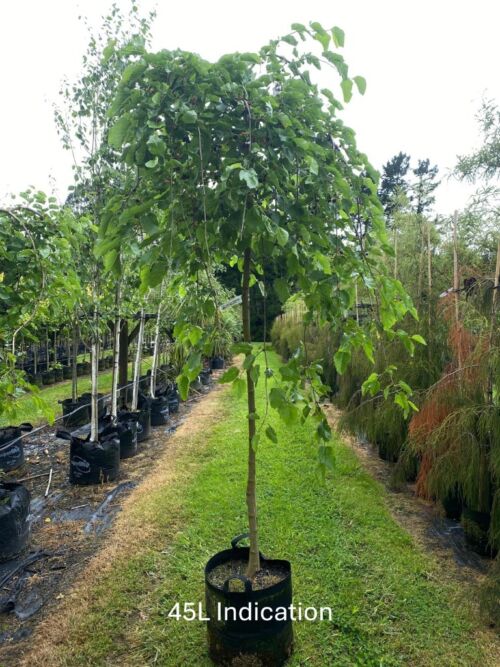
  • Morus alba ‘Pendula’ - Weeping White Mulberry 45L Nursery specimen
    Select options This product has multiple variants. The options may be chosen on the product page / Details Quick View
    Morus alba ‘Pendula’ - Weeping White Mulberry, is a deciduous ornamental tree with a cascading, weeping form. Typically grafted onto a standard stem, its arching branches create an elegant silhouette that makes it a standout feature in smaller garden spaces. Throughout the growing season, this tree has large, glossy-green,  leaves that shift to golden yellow in autumn, adding seasonal interest. In late spring, very small pale green flowers appear, followed by sweet, edible fruits. These fruits transition from greenish-white to rich pink or deep purple as they ripen—though you’ll need to be quick to get them, as birds are fond of them too. Moreover, this tree is self-fertile and easy to maintain. Height can vary depending on grafting, with our 2025 stock grafted on a clear stem at approximately 1.8 metres. Native to China, Pendula takes its name from the Latin word pendulus, meaning “hanging” or “weeping,” which perfectly describes its graceful form. Whether used as a focal point or tucked into a courtyard, Morus alba ‘Pendula’ brings charm, fruit, and structure to any garden.
    • Height x Width: According to Graft
    • Height Range: Small 1-5m
    • Growth Rate: Moderate
    • Plant Type: Tree
    • Shape / Habit: Weeping
    • Deciduous / Evergreen: Deciduous
    • Country of Origin: China
    • Similar to Consider: Prunus subhirtella Pendula Rosea, Prunus subhirtella 'Falling Snow'
    • Leaf Colour: Green
    • Leaf Autumn Colour: Yellow
    • Flower Colour: White - Very Small
    • Soil Conditions: Moist well drained
    • Climate Conditions: Prefers sheltered
    • Uses: Feature, Bird Feeding, Fruit Producing, Small Garden
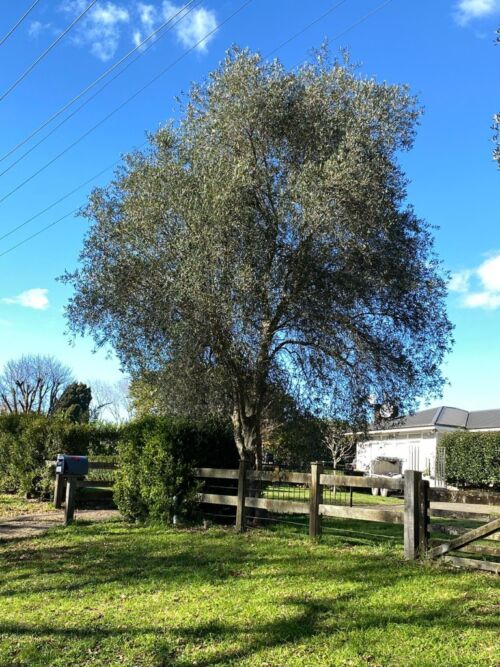
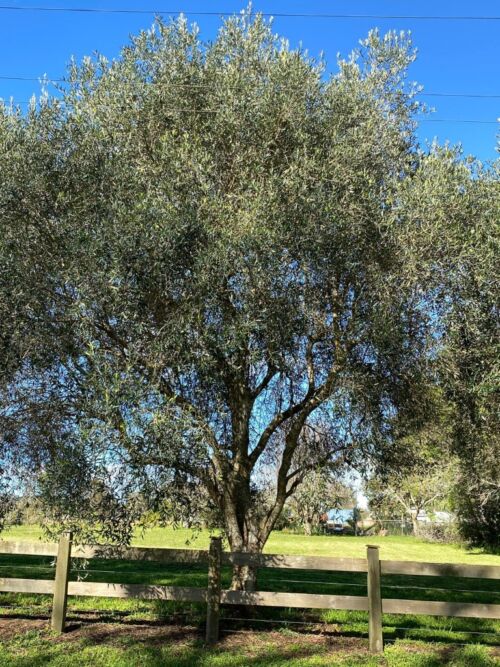
  • Olea Europea tree in a rural setting
    Select options This product has multiple variants. The options may be chosen on the product page / Details Quick View
    Olea europaea ‘Ascolano’ is a rounded, moderately fast-growing evergreen with a bushy habit. It features silvery-green, leathery leaves and strong, rigid branches. This variety is well known for producing large, mild table olives, making it both ornamental and productive. Ascolano is suitable for hedging or screening and can also be left to grow as a specimen tree. When mature, it reaches approximately 6 x 3 metres, offering structure and beauty in the landscape. Originating from the Marche and Tuscany regions of Italy, Ascolano thrives in full sun and well-drained soil. Once established, it tolerates wind, coastal conditions, and dry spells, making it a hardy and versatile choice for gardens.
    • Height x Width: 6 x 3
    • Height Range: Medium 5-10m
    • Growth Rate: Moderate - Fast
    • Plant Type: Tree
    • Shape / Habit: Round
    • Deciduous / Evergreen: Evergreen
    • Country of Origin: Italy
    • Similar to Consider: Other Olives, Nestegis montana, Nestegis lanceolata, Podocarpus gracilor
    • Leaf Colour: Green
    • Flower Colour: Cream - Very Small
    • Soil Conditions: Tolerates dry once established
    • Climate Conditions: Tolerates Coastal and Wind
    • Uses: Shade Tree, Screening, Bird Feeding, Fruit Producing
  • Olea europaea ‘J5 ‘ - Olive in rural setting
    Select options This product has multiple variants. The options may be chosen on the product page / Details Quick View

    Olea europaea ‘J5 ‘ - Olive

    Retail Price:
    From: $128.00
    Olea europaea ‘J5’ is a medium-sized, evergreen olive tree with a graceful, weeping form. Ideal for warmer climates, it adds Mediterranean charm to any garden. In spring, it bursts into masses of tiny cream-white flowers, which later develop into a generous crop of medium-sized oval fruit by autumn. This New Zealand selection thrives in full sun and tolerates wind and coastal conditions. Once established, it can endure extended dry periods, making it a resilient choice for low-maintenance landscapes. Growing to approximately 6 x 3 metres, the J5 olive tree is not only a prolific fruiter but also provides light, dappled shade—perfect for relaxing outdoor spaces.
    • Height x Width: 6 x 3
    • Height Range: Medium 5-10m
    • Growth Rate: Moderate - Fast
    • Plant Type: Tree
    • Shape / Habit: Round
    • Deciduous / Evergreen: Evergreen
    • Country of Origin: New Zealand (Parentage Mediterranean)
    • Similar to Consider: Other Olives, Nestegis montana, Nestegis lanceolata, Podocarpus gracilor
    • Leaf Colour: Green
    • Flower Colour: Cream - Very Small
    • Soil Conditions: Tolerates dry once established
    • Climate Conditions: Tolerates Coastal and Wind
    • Uses: Shade Tree, Screening, Bird Feeding, Fruit Producing
    Find out more here...  Landscaping with olive trees in New Zealand
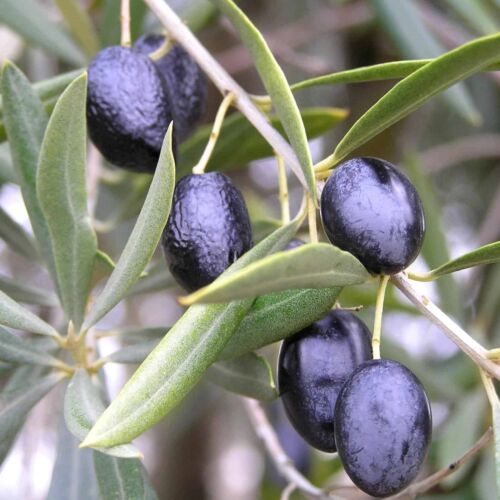
  • Olea europaea ‘Kalamata’ - Olive, deep purple large fruit
    Select options This product has multiple variants. The options may be chosen on the product page / Details Quick View

    Olea europaea ‘Kalamata’ - Olive

    Retail Price:
    From: $128.00
    Olea europaea ‘Kalamata’ is the famous Greek table olive tree, known for its strong vigour and upright growth habit. This striking olive tree features larger olive-green leaves compared to other varieties, adding lush texture to the landscape. During summer, clusters of small creamy white flowers appear, followed by very large, almond-shaped fruit. These dark purple olives have a smooth texture and are typically harvested in April. Notably, the name Kalamata originates from the region in southern Greece where this variety was first cultivated. As with most olive trees, the species name europaea simply means “European,” highlighting its Mediterranean heritage. In addition to its culinary fame, this tree also produces olive oil. Once established, it tolerates dry conditions well and thrives in warmer, sunny climates. With a mature size of approximately 7 x 3 metres, it makes a wonderful lightly dappled shade tree, perfect for gardens, courtyards, or orchard-style plantings. Whether you're seeking ornamental beauty or a productive fruiting tree, ‘Kalamata’ offers both elegance and utility.
    • Height x Width: 7 x 3
    • Height Range: Medium 5-10m
    • Growth Rate: Moderate - Fast
    • Plant Type: Tree
    • Shape / Habit: Round - Spreading
    • Deciduous / Evergreen: Evergreen
    • Country of Origin: Greece
    • Similar to Consider: Other Olives, Nestegis montana, Nestegis lanceolata, Podocarpus gracilor
    • Leaf Colour: Green
    • Flower Colour: Cream - Very Small
    • Soil Conditions: Tolerates dry once established
    • Climate Conditions: Tolerates Coastal and Wind
    • Uses: Shade Tree, Screening, Bird Feeding, Fruit Producing
Go to Top