Fruit Trees
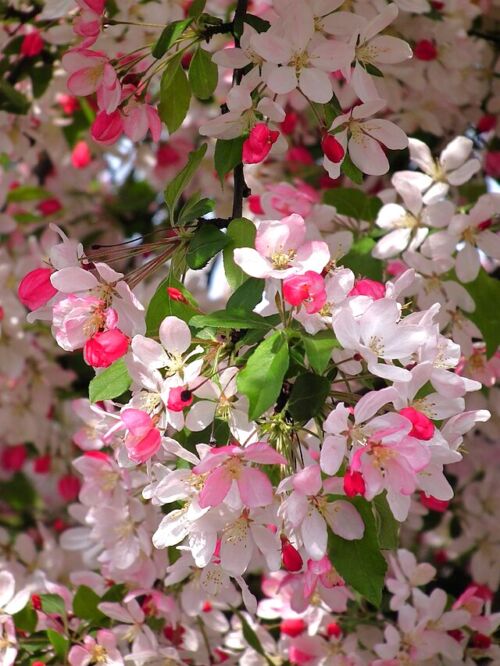
- Malus floribunda, commonly known as the Japanese Crabapple, is a moderately fast-growing ornamental tree with its origins in Japan. With long, gracefully arching branches and small, dark green leaves, it brings elegance and seasonal interest to any garden. As spring arrives, the entire tree bursts into colour with bright pink buds that open into a profusion of small white to pale pink flowers. Shortly after flowering, yellow fruits flushed with red begin to appear. These fruits are not only edible but also attract birds, adding life and movement to the garden. Interestingly, the Latin name floribunda means “flowering freely” or “many-flowering,” perfectly describing this tree’s abundant spring display. Because of its compact size, reaching approximately 3 x 2.5 metres, it’s an excellent choice for smaller gardens, courtyards, or decorative planting schemes. Furthermore, it responds well to pruning, making it easy to maintain a neat and tidy shape.
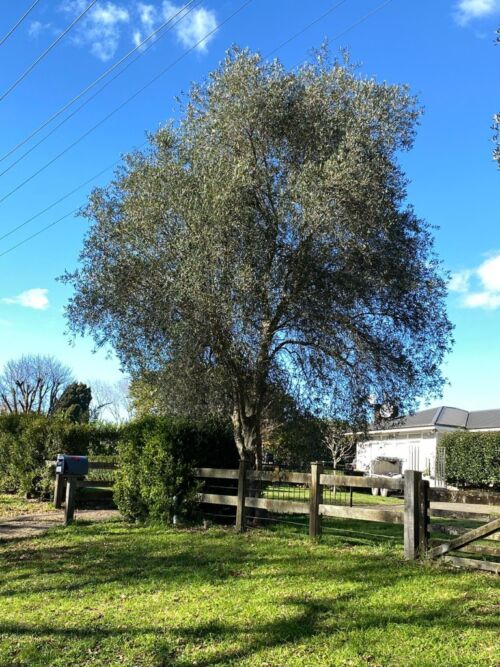
- Olea europaea, commonly known as the European olive, is a versatile and iconic tree traditionally found throughout the Mediterranean Basin. Although native to this region, it is now widely cultivated across the globe, including Australia, New Zealand, North and South America, and South Africa. Just a few of the many varieties include, Kalamata, Koroneiki, Ascolano, El Greco J5 Typically grown as a small tree, the olive is prized for its fruit, which is harvested for oil, eating, or both. Its adaptability and resilience make it a popular choice for a variety of climates and landscapes. Because it originates from the Mediterranean, Olea europaea thrives in full sun, tolerates coastal winds and extended dry periods once established. It performs well in warmer, sunny environments and is remarkably drought tolerant. In addition, it makes a beautiful lightly dappled shade tree. With a mature size of approximately 7 x 3 metres, it’s ideal for gardens, courtyards, or orchard-style plantings, bringing both ornamental charm and practical value.
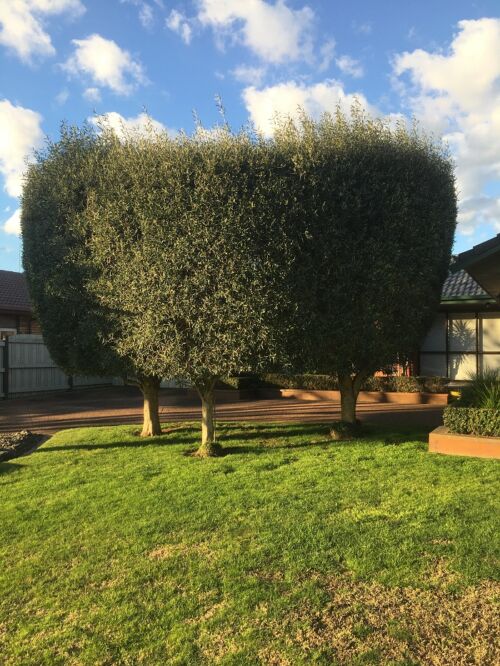
- Olea europaea ‘El Greco’ – Greek Olive is a compact evergreen olive known for its small green leaves and dense, tidy habit. Often used as a hedging olive, it may produce some fruit if left untrimmed, although this is not typical. This variety prefers moist, well‑drained soil but tolerates dry periods once established. Since it originates from the Mediterranean, it thrives in full sun and copes well with wind and coastal conditions. Because of its naturally dense, bushy form, ‘El Greco’ easily trims into neat low or tall hedges, making it ideal for smaller gardens. It grows to approximately 3 × 2 metres.
- A handsome, fast growing, subtropical evergreen TREE with large emerald green LEAVES that forms a thick canopy. FLOWERS September to December. FRUIT range in size and shape from round cannonball to pear like. All varieties are self-fertile though the trees will produce more and better fruit if cross pollinated. To get fruiting trees it is highly recommended to get a grafted tree and then generally require a few years to mature before fruiting. Stone grown trees may not produce fruit. Requires free draining deep soil and protection from frosts and cold winds. HARVEST September to April. from Grows Apx 6 x 4m. Make enquiries as to which varieties we have available now or see our online catalogue.
- Feijoa sellowiana – Feijoa (Acca sellowiana) is a smaller, fast-growing, evergreen tree with a compact, rounded shape. Its stout, leathery green leaves give it a lush, tropical appearance, ideal for adding texture to garden spaces. Native to South America, Feijoa is among the hardiest subtropical fruit trees. It tolerates light frost and produces abundant fruit from April to June, which drops easily when ripe. Sellowiana is the parent species of many popular grafted and cutting-grown cultivars. It thrives in full sun and prefers a moist, well-drained soil. Typically reaching around 4 x 3 metres tall they are easily trimmed to shape and make an excellent hedge, screen or stand-alone fruit tree. Ideal for a smaller garden.
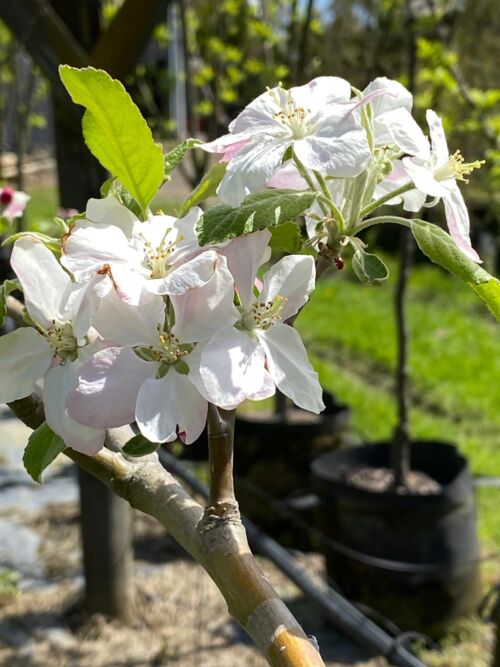
- Apple ‘Braeburn’ is a deciduous fruit tree that produces striking apples with red and yellow-striped skin. Originating in New Zealand in 1952 as a chance seedling, it quickly gained recognition for its quality and flavour. In spring, the tree bursts into bloom with clusters of white flowers. As summer advances, the fruit develops until it reaches full ripeness, ready for harvest around May each year. This heritage variety is celebrated for its crisp, juicy white flesh and superb sweet-tart flavour. Its distinctive taste has made it a favourite among apple lovers and continues to delight generations of growers and consumers. Apple trees thrive best in well-drained, fertile soils and prefer a sunny, sheltered position to maximize fruit production. Under ideal conditions, they grow to a height of 4–5 meters, making them suitable for both home gardens and orchards. For healthy growth, provide seasonal feeding and deep watering during dry spells. Moreover, apply mulch to conserve moisture and prune annually to shape the tree, ensuring strong structure and abundant fruiting year after year..
- Out of stockApple “Fuji”is a deciduous fruit tree that produces vibrant red apples with a yellow base. Originating in Japan during the 1930s, it quickly became a popular variety worldwide. Today, it remains a heritage apple that continues to impress growers and consumers alike. In spring, the tree bursts into life with delicate white flowers blushed with pink. As summer progresses, the fruit steadily matures until it is ready for harvest around May each year. This variety is highly valued for its large, sweet, and crisp apples with fine texture. Moreover, Fuji apples are excellent for eating fresh and store remarkably well, making them a reliable choice for long-term enjoyment. Apple trees thrive in well-drained, fertile soils. Furthermore, they prefer sunny, sheltered positions to maximize fruit production. With the right growing conditions, Fuji trees reach a height of 4–5 meters, making them suitable for both home gardens and orchards. To encourage healthy growth, provide seasonal feeding and deep watering during dry spells. Additionally, apply mulch to retain soil moisture and prune annually. These steps help shape the tree and ensure abundant fruiting year after year.
- Apple ‘Granny Smith’ is one of the most iconic apples in New Zealand. Originating in Australia in 1868, this deciduous fruit tree produces apples with a distinctive green skin. Known worldwide, it remains a heritage variety that continues to delight growers and consumers alike. In spring, the tree bursts into life with white flowers tinged with pink. As summer advances, the fruit steadily matures until it reaches harvest time around May each year. This variety is highly prized for its crisp, juicy flesh and refreshing tart flavour. Consequently, it has become a favourite among apple lovers for generations, enjoyed both raw and in cooking. Its unique taste ensures it stands out from other apple varieties. Apple trees thrive best in well-drained, fertile soils. Moreover, they prefer sunny, sheltered positions to maximize fruit production. With the right growing conditions, Granny Smith trees reach a height of 4–5 meters, making them suitable for home orchards and larger gardens. To promote healthy growth, provide seasonal feeding and deep watering during dry spells. Additionally, apply mulch to retain soil moisture and prune annually. These steps encourage abundant fruiting and help maintain the tree’s attractive shape.
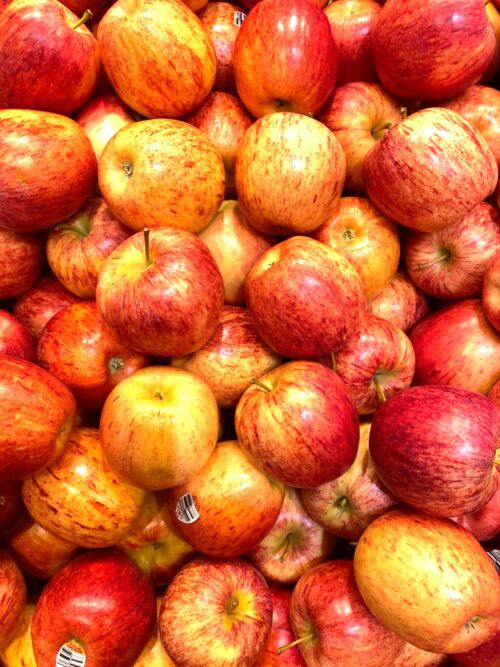
- Apple “Royal Gala” is a deciduous fruit tree that produces apples with a striking red stripe over a golden-yellow blush. Originating in New Zealand during the 1930s, it was developed by horticulturist J.H. Kidd as a cross between Kidd's Orange Red and Golden Delicious. Since then, it has become one of the world’s most popular apple varieties. In spring, the tree bursts into life with clusters of white flowers tinged with pink. As summer advances, the fruit steadily develops until it reaches harvest time between February and March each year. This heritage variety is highly prized for its pure white, sweet, and very crisp flesh. Because of its firm texture and refreshing flavour, Royal Gala is a favourite eating apple. Moreover, it is also enjoyed as a versatile dessert apple. Apple trees thrive in well-drained, fertile soils. Furthermore, they prefer sunny, sheltered positions to maximize fruit production. With the right conditions, Royal Gala trees grow to a height of 4–5 meters, making them suitable for both home gardens and orchards. To ensure healthy growth, provide seasonal feeding and deep watering during dry spells. Additionally, apply mulch to retain soil moisture and prune annually. These steps help shape the tree and encourage abundant fruiting year after year.
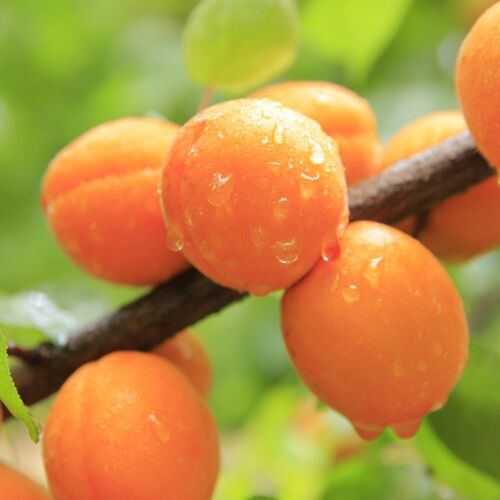
- Apricot ‘Katy Cot’ (Latin Name Prunus armeniaca) is a small deciduous tree with an upright habit and rounded green leaves. From December to January, it produces large, orange freestone fruit with full flavour, making it a rewarding choice for home gardeners. This variety is self‑fertile and performs better in warmer areas. Moreover, it thrives in well‑drained, fertile soil and prefers full sun in a sheltered position, ensuring healthy growth. Because of its compact size, ‘Katy Cot’ is also an ideal as a shade tree in smaller gardens. In addition, it can be pruned easily to maintain shape and height, growing to approximately 5m tall by 3m wide.
- Avocado Bacon - The first question is why the name Bacon?? The simple answer is because it was hybridised by a Mr. James Bacon back in the 1920s on his farm near Buena Park in Southern California in the United States. Forms a handsome round tree with large green tropical looking leaves. Flowers are small, cream. Bacon has a "B" Type Flower. Medium sized oval fruit with smooth shiny green skin even when ripe. Easy to peel with a medium to large seed. Yellow green flesh with light flavour smooth and silky. Self-fertile but will produce better if cross pollinated an "A" Type such as Hass or Reed. Harvest over winter.
- Forms a handsome round tree with large green tropical looking leaves. Flowers are small, cream. "B" Type Flower. Pear shaped fruit with a thin, smooth green, non-shiny skin. Skin remains green as fruit ripens. All self-fertile but will produce better if cross pollinated with an "A" Type such as Hass or Ree. Harvest August to October – Apx 6 x 4m
- The most commonly grown Avocado variety in the world. Forms a handsome round tree with large green tropical looking leaves. Flowers are small, cream. "A" type blossom. Produces medium sized fruit with pebbly thick skin, which darkens when ripe. Smooth texture with high oil content and very nutty rich taste. Self-fertile but will produce better if cross pollinated with a "B" type such as Fuerte or Bacon Harvest November to March. Grows to apx 6 x 4m
- Forms a handsome round tree with large green tropical looking leaves. "A" Type Blossom. Large round, ‘cannon ball’ shaped smooth-skinned fruit with smooth texture and nutty flavour. Fruit remains green when ripe. Self-fertile but produce better if cross pollinated with a "B" type such as Fuerte or Bacon. Harvest February to April. Grows to apx 6 x 4m
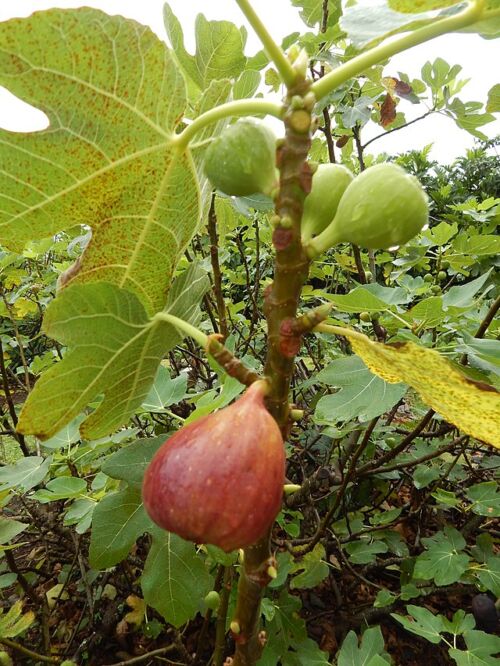
- Fig ‘Brown Turkey’ (Ficus carica) This compact shrub or small tree features gnarled, twisted branches and bold, tropical-style leaves. Ideally, it should be planted in a sunny, sheltered, location. In addition, it thrives when provided with abundant moisture. Notably, ‘Brown Turkey’ is a well-known hardy selection that produces generous crops of green figs with a distinctive brown tinge and white to amber flesh. Because of its size, it’s excellent for small gardens and furthermore, it tolerates coastal conditions with ease. Although it can grow up to 5 x 5 metres, it’s easy to trim to your preferred size and shape. Therefore, it’s a versatile choice for many garden styles. Be quick to harvest the fruit before the birds do—typically, the season runs from February to April. Finally, this variety is proudly recognised as a Heritage Tree.
- Fig ‘French Sugar (Ficus carica) This compact shrub or small tree features gnarled, twisted branches and bold, tropical-style leaves. Ideally, it should be planted in a sunny, sheltered, location. In addition, it thrives when provided with abundant moisture. Notably, ‘Mrs Williams’ is a well-known hardy selection that produces generous crops of high-quality, large figs. Unlike many other varieties, it ripens earlier in the season, making it a popular choice among gardeners. The fruit is dark green in colour with succulent pale pink flesh. As a heavy cropper, this variety consistently produces abundant yields. As a result, the figs are sweet, juicy, and perfect for both fresh eating and preserving. Typically, the harvest period runs from February to April but be quick to harvest the fruit before the birds do. Because of its compact size, this fig is ideal for small gardens. Moreover, it tolerates coastal conditions with ease, adding to its versatility. Although it can grow up to 5 x 5 metres, it’s easy to trim to your preferred size and shape. Therefore, it’s a versatile choice for many garden styles.
- Fig ‘Mrs Williams’ (Ficus carica) This deciduous, compact shrub or small tree features gnarled, twisted branches and bold, tropical-style leaves. Ideally, it should be planted in a sunny, sheltered, location. In addition, it thrives when provided with abundant moisture. Notably, ‘Mrs Williams’ is a well-known hardy selection that produces generous crops of high-quality, large figs. Unlike many other varieties, it ripens earlier in the season, making it a popular choice among gardeners. The fruit is dark in colour—sometimes even purple—with flesh ranging from light amber to rich red. As a result, the figs are sweet, juicy, and perfect for fresh eating or preserving. Typically, the harvest period runs from February to April, but be quick to harvest the fruit before the birds do. Because of its compact size, this fig is ideal for small gardens. Moreover, it tolerates coastal conditions with ease, adding to its versatility. Although it can grow up to 5 x 5 metres, it’s easy to trim to your preferred size and shape. Therefore, it’s a versatile choice for many garden styles
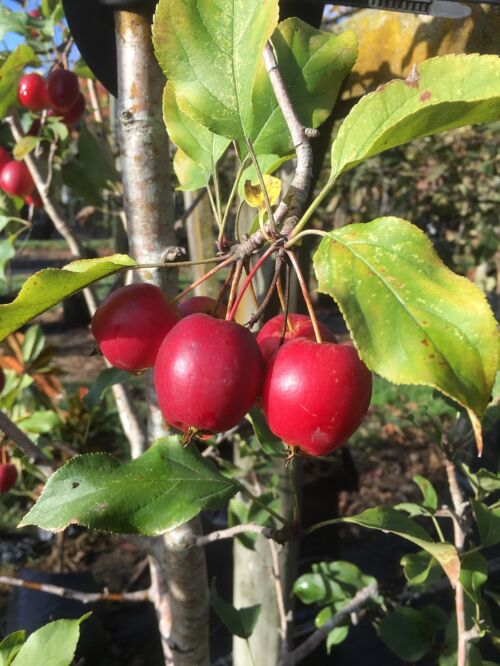
- Malus ‘Jack Humm’ - Crab-apple is a strong growing smaller deciduous tree. Bearing masses of white tinged pink flowers from red buds in spring. In autumn clusters of large bright crimson fruit flushed orange and yellow. One of the best crab-apples for production of fruit suited for jelly’s and jams. Ideal for smaller gardens.
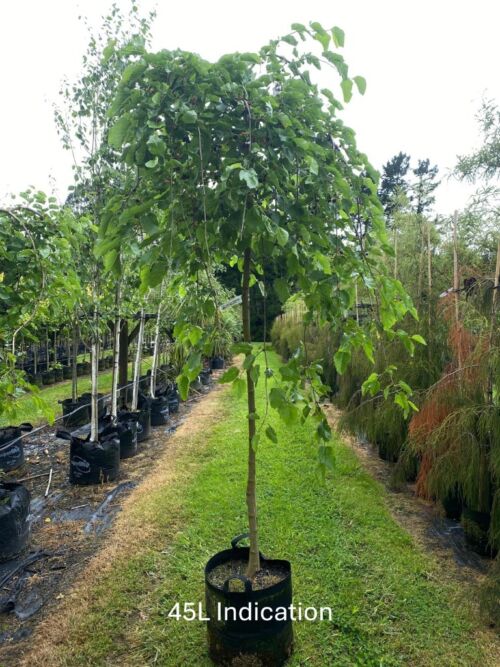
- Morus alba ‘Pendula’ - Weeping White Mulberry, is a deciduous ornamental tree with a cascading, weeping form. Typically grafted onto a standard stem, its arching branches create an elegant silhouette that makes it a standout feature in smaller garden spaces. Throughout the growing season, this tree has large, glossy-green, leaves that shift to golden yellow in autumn, adding seasonal interest. In late spring, very small pale green flowers appear, followed by sweet, edible fruits. These fruits transition from greenish-white to rich pink or deep purple as they ripen—though you’ll need to be quick to get them, as birds are fond of them too. Moreover, this tree is self-fertile and easy to maintain. Height can vary depending on grafting, with our 2025 stock grafted on a clear stem at approximately 1.8 metres. Native to China, Pendula takes its name from the Latin word pendulus, meaning “hanging” or “weeping,” which perfectly describes its graceful form. Whether used as a focal point or tucked into a courtyard, Morus alba ‘Pendula’ brings charm, fruit, and structure to any garden.
- Olea europaea ‘Ascolano’ is a rounded, moderately fast-growing evergreen with a bushy habit. It features silvery-green, leathery leaves and strong, rigid branches. This variety is well known for producing large, mild table olives, making it both ornamental and productive. Ascolano is suitable for hedging or screening and can also be left to grow as a specimen tree. When mature, it reaches approximately 6 x 3 metres, offering structure and beauty in the landscape. Originating from the Marche and Tuscany regions of Italy, Ascolano thrives in full sun and well-drained soil. Once established, it tolerates wind, coastal conditions, and dry spells, making it a hardy and versatile choice for gardens.